

Home

Your Seasonal Garden Prep Checklist

Share
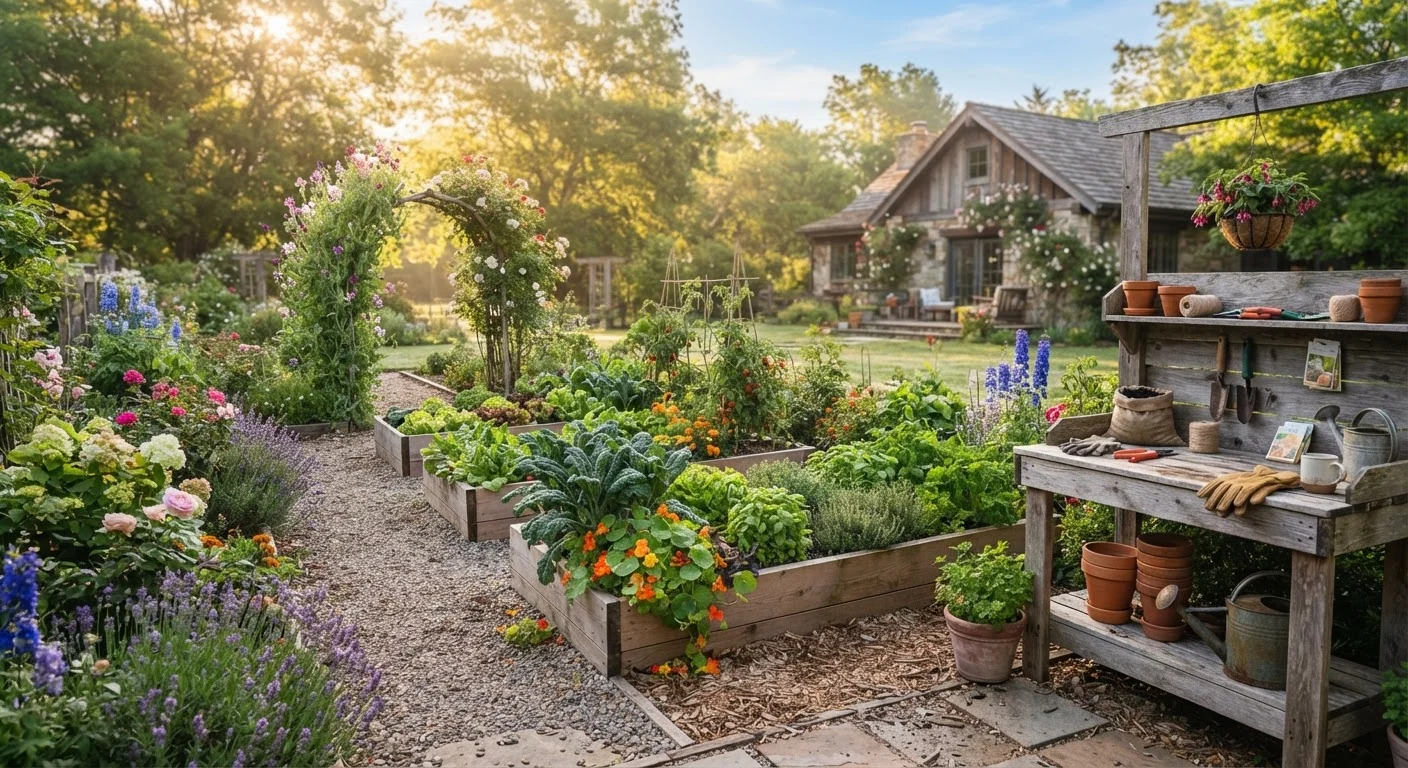
Organized backyard garden with raised beds, flowering shrubs, and gardening tools on a sunny morning.

Key Takeaways

Breaking garden care into four seasonal phases prevents overwhelming backlogs of neglected tasks.
Soil preparation and amendment in spring and fall pays dividends in plant health all year.
Watering, mulching, and deadheading in summer keep plants productive with less effort.
Winterizing your garden correctly protects perennials, tools, and soil structure through cold months.
Consistent small efforts each season are more effective than occasional large interventions.
20–40 min

Summary

28 items · 20–40 minutes to review; tasks vary by season

Why a Seasonal Approach Makes Garden Maintenance Manageable

Gardens don't wait for a convenient moment — they respond to temperature, daylight, and rainfall whether you're ready or not. A seasonal checklist helps you stay one step ahead rather than constantly catching up. Instead of facing an overwhelming list in spring, you'll distribute effort evenly across the year.

This checklist pairs well with the broader home maintenance work most homeowners tackle on a similar schedule. If you're already doing quarterly checks on your home's systems, layering in garden tasks at the same time makes both routines easier to sustain. You can also find complementary guidance in our seasonal home maintenance checklist, which covers inspections beyond the garden.

Use the checklist below as a starting point and adapt it to your climate zone — gardeners in the Deep South and the Pacific Northwest will shift some timing, but the underlying logic applies broadly across the U.S.

Required

Soil test kit

Determines pH and nutrient levels so amendments can be targeted rather than guesswork-based.

Required

Garden pruners and loppers

Essential for cutting back perennials, shaping shrubs, and removing dead wood safely.

Required

Compost bin or tumbler

Converts kitchen scraps and garden waste into nutrient-rich amendment for beds.

Optional

Drip irrigation or soaker hose

Delivers water directly to roots, reducing evaporation and keeping foliage dry to prevent disease.

Optional

Garden journal or notebook

Tracks planting dates, pest observations, and what worked season to season.

Required

Mulch (organic — wood chips, straw, or shredded leaves)

Retains soil moisture, regulates temperature, and suppresses weeds throughout the growing season.

Required

Tool sharpening file or whetstone

Keeps cutting edges on pruners, hoes, and spades sharp for safer, more effective work.

How to Work Through This Checklist

Each group below covers one season. Work through it at the start of that season — or, for fall and winter tasks, as temperatures begin to shift. Mark off items as you complete them, and note anything that reveals a bigger issue (a drainage problem, pest pressure, or failing irrigation) so you can address it before it compounds.

If you're establishing a new growing area, our guide on starting a vegetable garden from scratch covers everything from site selection to first harvest. For gardeners wanting to support local wildlife while they tend their plots, see planning a wildlife-friendly garden.

Know Your Local Frost Dates

Timing for spring planting and fall prep varies significantly by location. Use your local cooperative extension service's frost date data rather than generic national guides. Planting too early or failing to protect plants before a frost can set your garden back weeks or even an entire season.

Don't Compost Diseased Plant Material

Home compost piles rarely reach temperatures high enough to kill fungal spores or bacterial pathogens. Bag and dispose of plants showing signs of blight, powdery mildew, or root rot rather than adding them to your compost bin, to prevent spreading problems the following season.

Tasks involving powered equipment — chainsaws, chippers, or electric hedge trimmers — require appropriate protective gear. If a tree needs significant structural pruning or removal, hire a certified arborist rather than attempting it yourself.

Spring: Wake Up and Prepare

Test your soil pH and nutrient levels using an inexpensive home test kit or a cooperative extension service, then amend with compost or lime as needed. Must
Remove winter mulch gradually as nighttime temperatures stabilize above freezing to avoid shocking emerging perennials. Must
Prune dead, damaged, or crossing branches from shrubs and trees before new growth flushes out. Must
Turn and refresh compost bins that have been sitting dormant, adding any accumulated kitchen scraps and brown material. Should
Divide and replant overcrowded perennials such as hostas, daylilies, and ornamental grasses while they are still dormant or just emerging. Should
Inspect irrigation lines, hose bibs, and sprinkler heads for cracks or leaks caused by freezing temperatures over winter. Must
Start warm-season seeds indoors 6–8 weeks before your last expected frost date to get a head start on the growing season. Nice to have

Summer: Maintain and Monitor

Water deeply and infrequently — typically one inch per week — early in the morning to reduce evaporation and discourage fungal disease. Must
Deadhead spent blooms on flowering annuals and perennials weekly to encourage continuous production. Should
Apply a two- to three-inch layer of organic mulch around plants to retain soil moisture, regulate temperature, and suppress weeds. Must
Scout plants weekly for pest damage, disease spots, or nutrient deficiencies so problems can be addressed before they spread. Must
Feed heavy feeders such as tomatoes, roses, and container plants with an appropriate slow-release or liquid fertilizer according to label rates. Should
Harvest vegetables and herbs regularly to keep plants productive and prevent bolting or over-ripening on the vine. Must
Set up shade cloth or row covers to protect cool-season crops or newly transplanted seedlings from intense summer heat. Nice to have

Fall: Wind Down and Protect

Clear spent annual plants and heavily diseased material from beds, disposing of diseased plant matter rather than composting it. Must
Apply a fresh two- to three-inch layer of compost to garden beds and lightly incorporate it to rebuild soil organic matter over winter. Must
Plant spring-blooming bulbs such as tulips, daffodils, and alliums after soil cools but before the ground freezes solid. Should
Cut back perennials that are prone to disease or pest overwintering; leave ornamental grasses and seed-head plants for winter wildlife interest. Should
Drain, coil, and store garden hoses and shut off outdoor faucets to prevent freeze damage to pipes. Must
Apply a protective layer of straw or shredded leaves over tender perennials and newly planted shrubs once the ground begins to cool. Should
Sow cool-season cover crops such as winter rye or clover on bare vegetable beds to protect and enrich soil over winter. Nice to have

Winter: Plan and Maintain Tools

Clean, sharpen, and oil all hand tools — pruners, spades, hoes, and loppers — so they are ready and safe to use come spring. Must
Review this past season's notes on what worked and what didn't, and sketch a revised planting plan for next year's garden. Should
Order seeds and bare-root plants from catalogs or local nurseries early to secure popular varieties before they sell out. Should
Check stored tender bulbs — dahlias, cannas, elephant ears — for rot or shriveling and discard any that show signs of disease. Must
Inspect garden structures such as raised beds, trellises, fences, and cold frames for damage that needs repair before the growing season. Should
Drain and store or properly winterize any gas-powered equipment such as lawn mowers and tillers following the manufacturer's guidance. Must
Research new plant varieties or companion planting strategies that could improve productivity or reduce pest pressure next season. Nice to have

Keeping Pests, Costs, and Lighting in Check Year-Round

Pest pressure tends to escalate when seasonal tasks slip — overgrown beds and stressed plants invite infestations. Our article on non-chemical pest control explains barriers, beneficial insects, and timing strategies that reduce chemical reliance. Incorporating these approaches into your seasonal routine, rather than reacting to outbreaks, is far more effective.

If you're thinking about adding structure and ambiance to your outdoor space, garden lighting options explains how path lights, uplighting, and string lights affect both safety and mood. For longer-term structure, layering plants with trees, shrubs, and ground cover can reduce overall maintenance while creating year-round visual interest.

Electrical and Gas Work Requires a Licensed Professional

If your seasonal garden prep involves installing permanent outdoor lighting circuits, running irrigation from a main water line, or repairing gas-powered equipment beyond basic maintenance, these tasks typically require permits and a licensed contractor. Do not attempt electrical or gas connections yourself — the risks of shock, fire, or carbon monoxide exposure are serious. Check your local code requirements before starting any such project.

Finally, don't overlook pre-winter preparation. Our pre-winter maintenance checklist covers the broader home tasks — insulation, gutters, and heating systems — that complement garden winterizing.

Home Editorial Team is the collective byline for our editorial team and contributor network. Articles published under this byline or an editorial pen name are researched, written, and reviewed according to our editorial standards for clarity, consistency, and independence before publication.

View all articles by Home Editorial Team →
Disclaimer: The content on this site is for informational purposes only and is not a substitute for professional advice. Always consult a qualified professional for guidance specific to your situation.