

Key Takeaways
Why Chemical-Free Pest Control Deserves a Closer Look
Reaching for a spray at the first sign of a chewed leaf is understandable — but broad-spectrum pesticides often kill the beneficial insects doing pest-control work on your behalf. They can also affect pollinators, disrupt soil biology, and lead to pest resistance over time. Non-chemical approaches aim to work with natural systems rather than against them, resulting in a garden that becomes more resilient season after season.
This isn't about ignoring pest damage. It's about building layers of defense — barriers, habitat, timing, and plant health — so that no single layer has to carry all the weight. If you're also planning your garden's layout and care schedule, our seasonal garden prep checklist is a useful companion to these strategies.
70%+
Of vegetable pests controlled by natural predators
Research from the Rodale Institute and similar sustainable agriculture bodies consistently finds that gardens supporting diverse beneficial insect populations see significantly reduced pest damage without chemical intervention.
3–4 years
Recommended crop rotation cycle length
University extension programs across the U.S. recommend rotating plant families on a minimum three-to-four-year cycle to effectively interrupt pest and pathogen buildup in garden soil.
Proven Practices for Keeping Pests in Check
The following approaches are grounded in principles used by market gardeners, extension researchers, and experienced home growers. They work best when layered together rather than applied in isolation.
Use physical barriers to block pests at the source.
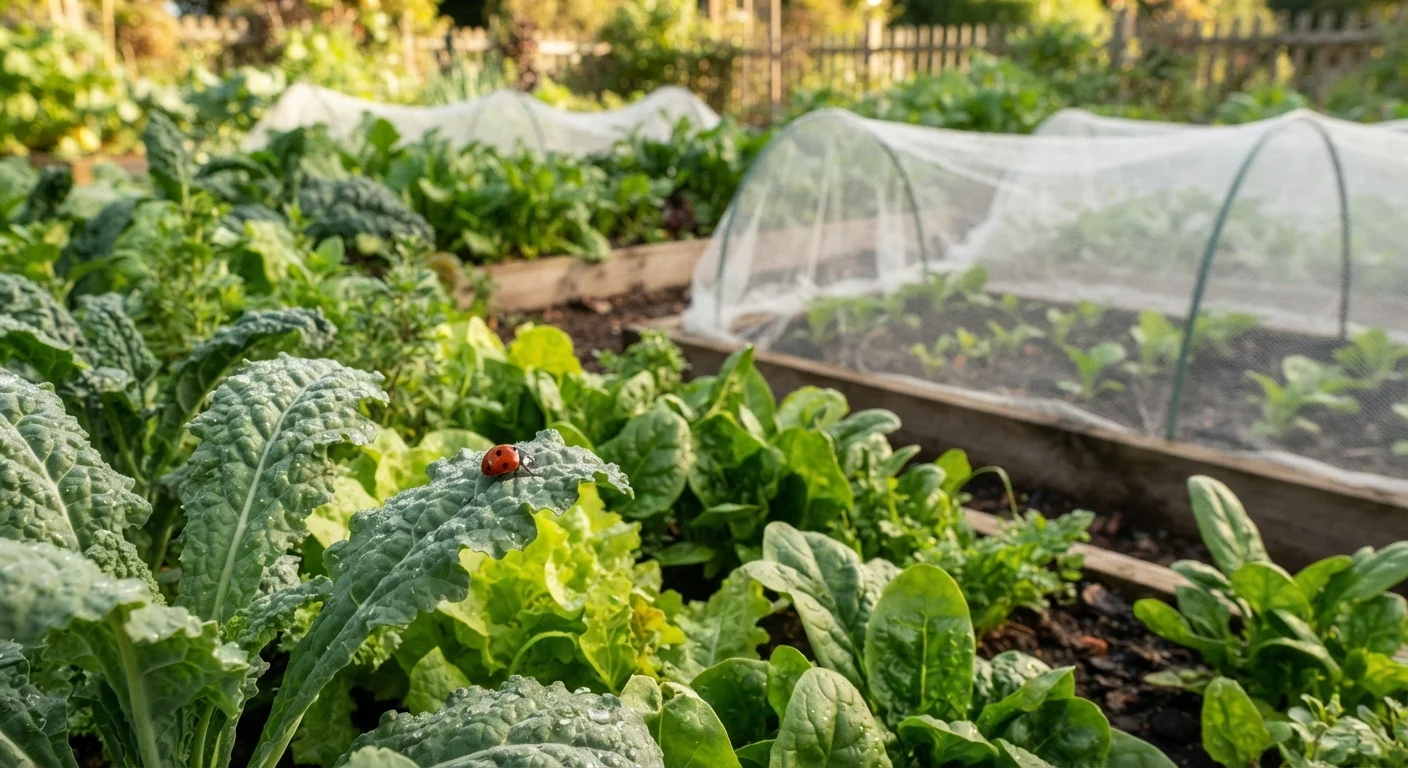
Prevention is the most reliable form of pest management. Barriers stop insects and larger pests from ever reaching your plants, eliminating the need to react after damage occurs. They're reusable and cost-effective over multiple seasons.
Attract and support beneficial insects in your garden.
Predatory insects such as ladybugs, lacewings, and parasitic wasps naturally keep aphid, whitefly, and caterpillar populations in check. Encouraging them costs nothing and creates a self-sustaining defense system. Disrupting this balance with broad-spectrum sprays often makes pest problems worse over time.
Rotate your crops every season without exception.
Many pests and soil pathogens are host-specific, meaning they build up in the soil where the same plant family grows year after year. Moving plant families to different beds breaks this cycle and starves overwintering pests of their preferred host. It also reduces the risk of soil-borne fungal diseases.
Time your planting to sidestep peak pest activity.
Many insects have predictable seasonal windows when their populations are at their highest and most damaging. Planting slightly earlier or later than usual can mean your crops are past their most vulnerable stage before pest pressure peaks. This requires a little local knowledge but costs nothing to implement.
Maintain proper plant spacing and soil health.
Crowded plants create the humid, shaded conditions that fungal pests and soft-bodied insects like slugs thrive in. Well-fed plants growing in healthy soil also produce stronger cell walls and natural defense compounds, making them inherently less appealing to pests. Good soil is, in many ways, your first line of defense.
Remove pest habitats and monitor plants regularly.
Many common pests — including slugs, earwigs, and aphids — hide under debris, boards, and dense foliage during the day. Regular walkthroughs allow you to catch infestations early, when hand-removal or targeted non-chemical intervention is still practical. Removing habitat reduces the resident pest population passively.
Quick Actions You Can Take This Weekend
You don't need to overhaul your entire garden to start reducing pest pressure. These targeted actions can be implemented immediately and will have a measurable effect on common problem pests.
Make Your Garden Friendly to Wildlife
A garden designed to welcome wildlife is also a garden that manages its own pests more effectively. Native plants, water features, and pesticide-free zones all support the predator populations that keep pest numbers low. Our wildlife-friendly garden guide covers exactly how to set this up.
What to Expect and How to Adjust
Non-chemical pest management requires a shift in expectations. You may see some leaf damage, and that's normal — the goal isn't a pest-free garden but a garden where pest populations stay below the threshold that causes meaningful harm. Most healthy, well-managed gardens reach this balance within a season or two.
“The single greatest lesson the garden teaches is that our relationship to the planet need not be adversarial, and that if we make friends with the natural world, it will be an ally worth having.”
— Michael Pollan, Author and journalist specializing in food systems and gardening
Container gardeners face particular challenges since pots isolate root zones and limit beneficial insect access. Our article on growing food in containers touches on which crops hold up best and which need extra attention in confined spaces.
When to Call in a Professional
Non-chemical strategies work well for most common garden pests, but severe infestations — especially those involving structural plants, fruit trees, or crops you depend on for food — may warrant a consultation with a local cooperative extension service or certified horticulturist. They can identify the specific pest and recommend the least-invasive targeted treatment. Regulations on certain pesticides also vary by region, so always check local guidelines before applying any product.
Track what you see throughout the season — which pests appeared, when, and which plants were affected. This log becomes your most valuable planning tool the following year, allowing you to adjust timing, variety choices, and barrier placement before problems recur.