

Key Takeaways
What Defensive Driving Actually Means
Defensive driving is often misunderstood as slow or overly cautious driving. It's neither. At its core, it's about staying alert to what other road users might do - not just what they're doing right now - so you have time and space to respond safely. A defensive driver doesn't panic or freeze; they've already thought a few steps ahead.
Unlike passive reliance on vehicle safety tech, defensive driving is a skill you actively apply. It complements the active and passive safety features in modern cars but doesn't depend on them. The driver - not the hardware - remains the first line of defence.
Maintain at least a three-second following gap in normal conditions - more in poor weather.
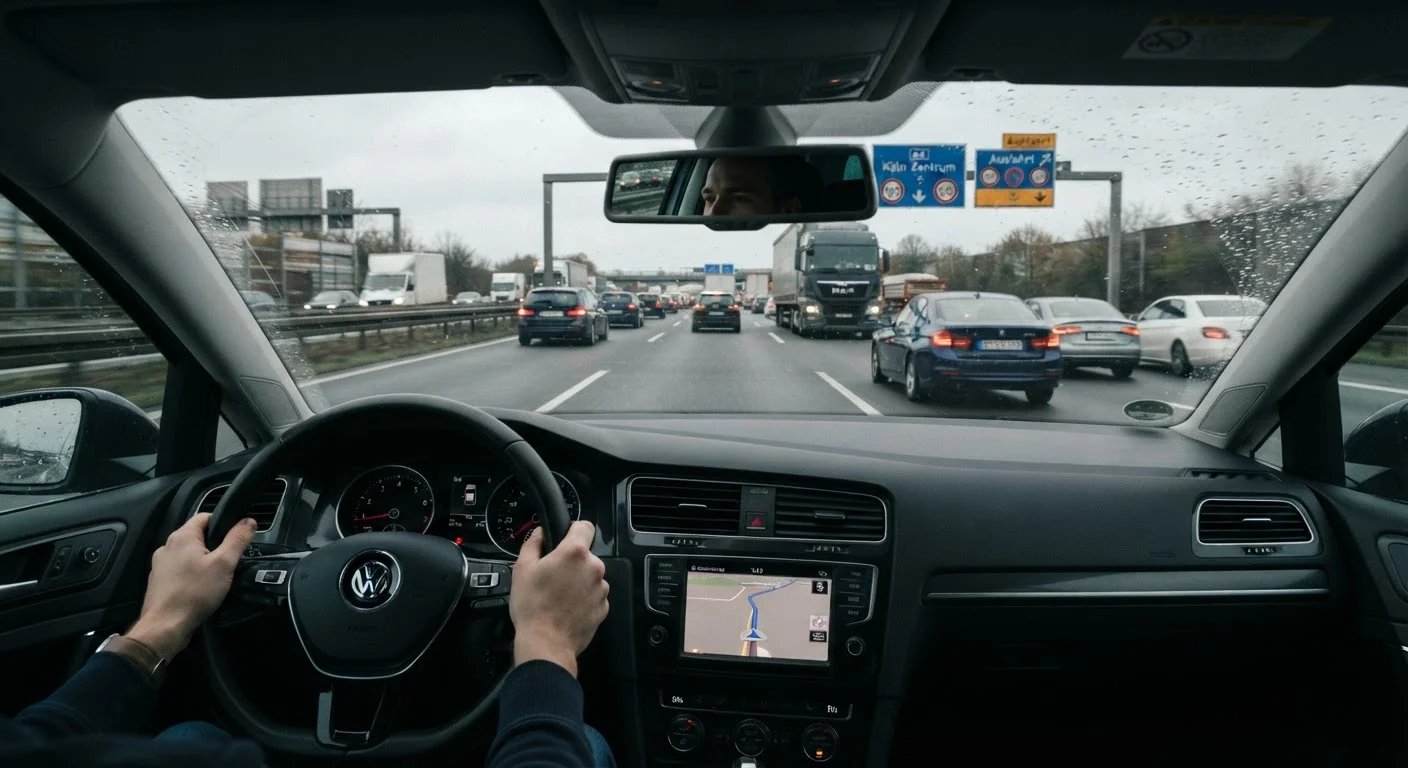
Rear-end collisions are among the most common crash types, and the leading cause is following too closely. A minimum three-second gap gives you reaction time if the vehicle ahead stops suddenly. Tailgating dramatically compresses that window.
Scan 12-15 seconds ahead, not just at the vehicle directly in front of you.
Focusing only on the nearest car leaves you reacting rather than anticipating. Looking further ahead gives you earlier warning of slowing traffic, hazards, or lane changes that would otherwise catch you off guard.
Eliminate all distractions inside the vehicle before moving.
At 60 mph, looking at a phone for just five seconds means traveling the length of a football field without your eyes on the road. Distraction degrades every other defensive skill simultaneously.
Assume other drivers may make mistakes - and give them room to do so.
Drivers merge without signaling, brake unexpectedly, and misjudge gaps. Building a default expectation that errors will happen - not that they might - keeps you from being surprised when they do.
Control your speed and position to reduce your exposure to risk.
Being in the right place on the road - not bunched with other vehicles, not sitting in someone's blind spot - limits the number of scenarios in which another driver's error can directly affect you.
The Core Practices That Make a Difference
Most serious crashes share a common thread: a driver who didn't have enough time or space to avoid the hazard. The practices below directly address that gap. None require special training to start - just consistent attention.
Situational Awareness: Scanning Beyond the Car in Front
Most drivers focus on the vehicle directly ahead. Defensive drivers scan much further - watching brake lights several cars up, monitoring what's happening in adjacent lanes, and noting pedestrians or cyclists approaching intersections before they get there. This wider field of attention is sometimes called high-visibility scanning.
Mirrors matter here too. Your mirrors have limits - our guide on blind spots and how to manage them explains why checking mirrors alone isn't enough, and what habits fill the gaps.
“The goal of defensive driving is to reduce risk by anticipating dangerous situations, despite the actions of others around you.”
— National Safety Council, U.S. nonprofit focused on eliminating preventable deaths and injuries
Busy road environments like roundabouts are a useful test of situational awareness. Even experienced drivers misread lane priority or miss signals in those settings - see common roundabout mistakes for a practical refresher.
Adapting to Conditions - Not Just Rules
Defensive driving means adjusting your behaviour to match actual conditions, not just staying within posted limits. The speed limit is a legal ceiling, not a guarantee of safety. In rain, fog, or low light, appropriate speed might be significantly lower. Hazardous conditions like wet roads and black ice demand specific responses that go beyond simply slowing down.
The same thinking applies to high-speed environments. If you're not yet comfortable with motorway merging, lane discipline, or matching traffic flow, our introduction to motorway driving walks through the fundamentals in plain terms.
Defensive Driving Courses: Worth Considering
Formal defensive driving courses are offered through various driving schools and safety organizations across the U.S. Some insurance providers recognize completion of an approved course and may adjust premiums accordingly - though outcomes vary by provider and policy. Check with your insurer before enrolling if that's a factor. The driving skills themselves remain valuable regardless.