

Key Takeaways
Car Service
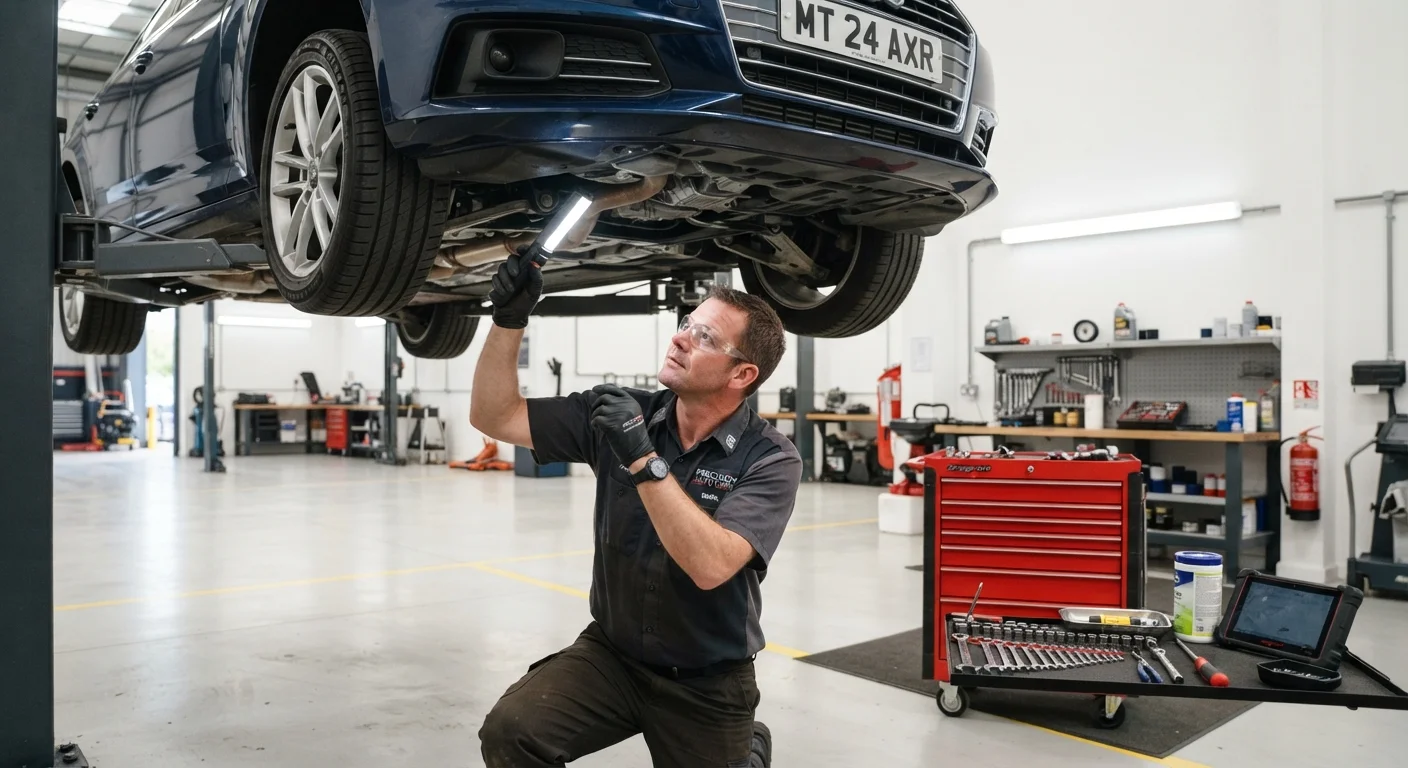
A car service is a scheduled inspection and maintenance visit where a qualified mechanic checks key systems, replaces wear items like oil and filters, and flags anything that needs attention. Think of it as a health checkup for your vehicle - catching small problems before they grow into expensive repairs. Most manufacturers recommend a service interval based on mileage or time, whichever comes first.
Service intervals and what's included vary by vehicle make, model, and engine type. Always refer to your owner's manual for manufacturer-specified intervals and fluid grades.
What a Standard Service Actually Covers
Most drivers picture a service as an oil change and a quick look around. In reality, a standard service is a systematic check of the systems your car depends on to run safely and reliably.
Here's what a typical interim or full service includes:
- Engine oil and oil filter replacement - old oil breaks down and carries contaminants that wear engine components
- Air filter inspection or replacement - a clogged air filter reduces fuel efficiency and engine performance
- Brake inspection - pad thickness, disc condition, and brake fluid level are checked
- Tyre condition and pressure - tread depth, sidewall integrity, and inflation are assessed
- Fluid top-ups - coolant, power steering fluid, windshield washer fluid, and transmission fluid are checked and topped up as needed
- Lights and electrics - all exterior lights and battery condition are verified
- Belts and hoses - visual inspection for cracking, fraying, or wear
A major or full service adds items like spark plug replacement, cabin air filter, brake fluid flush, and a more detailed drivetrain inspection. What's included at each interval is spelled out in your owner's manual - see our guide on reading your owner's manual if you're not sure where to find it.
Ask for the Written Report
Always request a written service report before you leave. A good shop will list every item inspected, what was replaced, and anything flagged for future attention. This record supports your warranty, helps with resale, and gives you a baseline for the next visit.
Why Each Check Matters
It's easy to view service line items as upsells. They're not. Each task addresses a specific failure mode.
Oil degradation is invisible until it causes damage. Engine oil lubricates hundreds of moving metal parts; once it breaks down, metal-on-metal wear accelerates. Most modern engines specify synthetic oil with intervals of 5,000-10,000 miles, though this varies - don't rely on the old 3,000-mile rule. Common myths like this cost drivers real money.
Brake inspections catch pad wear before you hear the grinding that signals metal-on-metal contact - a much more expensive fix. Brake fluid also absorbs moisture over time, which lowers its boiling point and can compromise stopping power in hard-braking situations.
Coolant condition matters more than most people realize. Degraded coolant loses its corrosion inhibitors and can damage the radiator and water pump. Learn more about what coolant actually does and when it needs to be flushed.
Tyres are your car's only contact with the road. A service checks that tread is above the legal minimum and that pressure is correct - both directly affect braking distance and handling.
~$400
Average cost of neglect-related repairs
AAA estimates that US drivers spend an average of around $400 per year on repairs that could have been prevented with routine maintenance.
1 in 3
Cars with at least one maintenance issue
Car Care Council research has consistently found that a significant share of vehicles on US roads have at least one unresolved maintenance or safety item.
How Often You Should Service Your Car
Service intervals are typically set by mileage, time, or both - for example, every 12 months or 10,000 miles, whichever comes first. Driving patterns matter too: short trips, stop-and-go traffic, and extreme temperatures are harder on a car than steady highway driving.
The maintenance schedule most drivers quietly ignore covers this in detail, but the short version is: follow the manufacturer's recommendation in your owner's manual, not what a shop's sticker says.
If your car's condition changes with the seasons - and it does - a seasonal maintenance check alongside your regular service can catch weather-specific issues early.
Wondering what you can handle yourself versus what needs a professional? Our breakdown of DIY maintenance vs. taking it to a garage draws that line clearly.
Service ≠ MOT or State Inspection
A car service and a government-mandated safety inspection (such as an MOT in the UK or a state inspection in the US) are different things. A service is maintenance-focused and voluntary; an inspection is a legal roadworthiness check. Both matter, but they serve different purposes and neither substitutes for the other.