14 easy tips for using food vacuum sealers

14 easy tips for using food vacuum sealers
In the world of kitchen appliances, food vacuum sealers have become indispensable tools for preserving freshness and extending the shelf life of food items. As individuals increasingly embrace the benefits of vacuum sealing, mastering the art of using food vacuum sealers is essential. With some easy tips for using food vacuum sealers, one can seamlessly integrate vacuum sealing into their kitchen routine and make the most of these practical devices. Choose the right bags Selecting the right bags is the most significant aspect of successful vacuum sealing. Users should opt for high-quality, textured vacuum sealer bags as they effectively expel air. These bags provide a sturdy barrier against moisture and are available in a variety of sizes, catering to diverse storage needs, from individual portions to family-sized packages. Seal before vacuuming It is important to begin the vacuuming process after sealing the open end of the food bag. However, it is also one of the often overlooked steps in this process. This simple measure prevents liquids or particles from interfering with the sealing process, ensuring a tight and secure closure. It is a basic yet effective tip for maintaining the integrity of the vacuum sealed package. Allow space for proper sealing Users should exercise caution by leaving ample space between the food and the bag’s top edge.
9 easy ways to keep food fresh longer

9 easy ways to keep food fresh longer
The cost of groceries keeps increasing, and every penny counts while shopping. This is also one of the reasons why people prefer buying food products in bulk. However, if these products are not stored correctly, they could get spoiled and, eventually, tossed in the trash. This problem, which can be easily avoided, leads to extra expenses and unnecessary wastage. So, here are a few ways to keep food fresh for a long time: 1. Learn which foods can be refrigerated One may be tempted to put all perishable items in the refrigerator. However, this isn’t the best practice. Foods that spoil faster in the refrigerator include watermelon, tomatoes, onions, potatoes, honey, coffee, garlic, and bread. However, one can store jams, nut butter, tortillas, cooked foods, sprouts, and grapes in the fridge. Other items that should be refrigerated are berries, eggplants, apples, broccoli, celery, and leafy greens. If unsure whether a product needs to go in the refrigerator, one could check the product online or look for an answer online. 2. Store food at the right temperature Storing food at an incorrect temperature can lead to spoilage. The temperature of the refrigerator section should be set at or below 40 degrees Fahrenheit, while the freezer temperature should be at 0 degrees.

Fighting Wrinkly Skin – Causes, Remedies, and Food Options

Fighting Wrinkly Skin – Causes, Remedies, and Food Options
Aging is a natural process characterized by several physical and mental changes. Wrinkles and fine lines are among the first and most common physical signs reflecting one’s transition to old age. With time, these typically become more pronounced, affecting the skin’s texture. On the bright side, wrinkles are easily reversible with consistent healthcare, natural remedies, and a few lifestyle changes. This article provides an in-depth insight into wrinkles, their causes, natural remedies, and food options. How can you identify wrinkles? Wrinkles are creases or ridges appearing on the skin’s surface, typically due to aging. With age, the skin tends to lose its elasticity, progressively thinner and drier, resulting in fine lines or wrinkles. Although wrinkles are often associated with the face, they may also appear in other areas, such as the arms and neck. However, the first wrinkles typically appear on muscles regulating facial expressions, such as the corners of the eyes and mouth. Causes of wrinkles Aging Wrinkles are synonymous with aging and result from loss of skin flexibility. With time, the skin eventually dries up, and the lack of moisture can cause issues like crow’s feet around the eyes and fine lines around the mouth. Exposure to UV rays UV rays contribute to the development of free radicals in the skin, destroying its elastin fibers and leading to the development of wrinkles.

9 Foods to Eat While Healing From COPD Symptoms

9 Foods to Eat While Healing From COPD Symptoms
Chronic obstructive pulmonary disease, or COPD, is the umbrella term comprising progressive lung disorders- chronic bronchitis and emphysema. Both these conditions involve blockage of airflow from the lungs and have various underlying causes, including air pollution and exposure to dust. Individuals with COPD experience symptoms such as coughing up mucus, shortness of breath, and wheezing. Alongside following the suggested treatment course, incorporating certain foods into one’s meal plan can help fight the disease. Types of COPD COPD occurs in two forms – chronic bronchitis, characterized by long-term cough, and emphysema, involving damage to the air sacs. Chronic bronchitis Chronic bronchitis occurs due to inflammation and swelling of the bronchial tubes, causing the accumulation of mucus along the tube lining and narrowing of its opening. Moreover, the bronchial tubes comprise small, hair-like projections called cilia, which expel mucus from the airways. However, chronic bronchitis damages these cilia, furthering mucus accumulation. Chronic bronchitis is typically diagnosed when an individual experience cough for at least three months a year for two consecutive years and tests negative for tuberculosis and other lung conditions. Emphysema Emphysema involves the eventual rupture and damage of air sacs or alveoli, leading to large air spaces forming in the organ.

Managing epilepsy – Foods to avoid and first aid for seizures

Managing epilepsy – Foods to avoid and first aid for seizures
Epilepsy is a neurological disorder characterized by recurrent seizures. When dealing with the condition, understanding how to handle and reduce the severity of a seizure is important. Following the appropriate steps can help ensure the safety and well-being of those experiencing seizures. By remaining calm, providing support, and creating a secure environment, one can effectively respond to the episode and minimize risks. Here is everything one should know about managing epilepsy—from nutrition to care: What is epilepsy? Epilepsy is a disorder caused by abnormal electrical activity in the brain, which leads to temporary disruptions in normal brain function. These disruptions can manifest as seizures, which vary in severity and duration. The severity of the effects can range from momentary lapses in awareness to convulsions and loss of consciousness. The exact cause of epilepsy is not yet known, but it can result from various factors, including genetic predisposition, brain injuries, infections, tumors, or developmental disorders. Epilepsy can affect people of all ages, although it usually develops in children and older adults. The diagnosis of epilepsy is typically made after one has experienced at least two unprovoked seizures. Treatment options for the condition include prescriptions, lifestyle modifications, and in some cases, surgery.

9 foods that may help manage EoE and acid reflux

9 foods that may help manage EoE and acid reflux
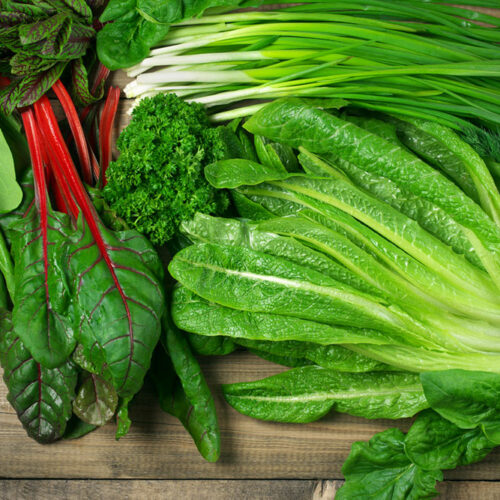
Eosinophilic esophagitis (EoE) is a condition in which an individual’s esophagus experiences inflammation due to the growth of eosinophils. EoE shares similarities with acid reflux, sometimes known as heartburn or GERD. In both conditions, one may experience pain and a blockage in the esophagus. Certain foods contain vital nutrients and other elements that enable people to manage their EoE and acid reflux conditions efficiently if they have one or both of them: Leafy vegetables Green leafy vegetables are excellent foods to prevent symptoms and flare-ups of EoE and acid reflux. Vegetables like Spinach, kale, broccoli, and others have low levels of acidic content. This quality helps maintain the body’s pH levels and prevents inflammation in individuals. Spinach, in particular, is high in fiber, making it easily digestible for individuals with acid reflux, GERD, or EoE. Overall, the low acidic levels and anti-inflammatory properties of green leafy vegetables make them a must-have for those with these health disorders. Quinoa Whole grains such as quinoa are low-acid foods the body needs to fight symptoms of acid reflux and heartburn. Like Spinach, quinoa also contains loads of fiber. It means one can digest quinoa at a much faster rate compared to some other foods.

Our
Blog.

Managing kidney health – Best and worst foods

Managing kidney health – Best and worst foods

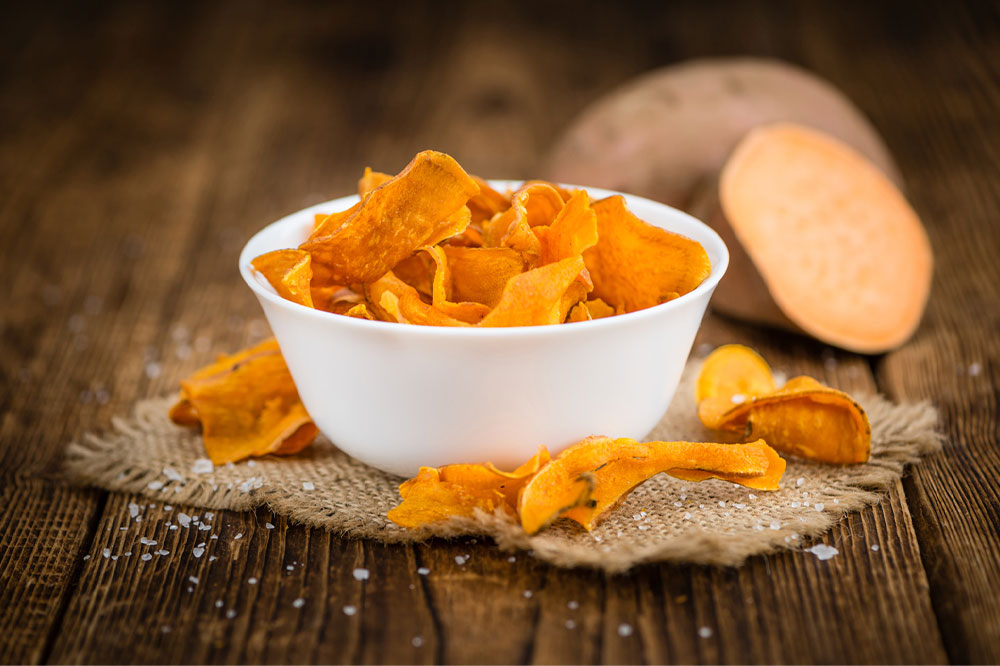
The kidneys are bean-shaped organs that are responsible for important bodily functions, like producing hormones, removing waste through urine, filtering blood, balancing minerals, and maintaining fluid balance. But, according to the American Kidney Fund, more than 1 in 7 adults in the country are affected by chronic kidney diseases. So, it is important to maintain kidney health by making better lifestyle choices and opting for foods that support kidney health. Food and kidney health The kidneys have multiple tiny blood vessels that help filter and eliminate excess water and waste from the body. If one is affected by chronic kidney diseases, the kidneys cannot filter blood, leading to the accumulation of waste in the body. Hypertension and diabetes are some of the leading causes of kidney disease. So, a healthy food plan can help prevent and manage these conditions by removing excess sodium, phosphorus, or potassium. Additionally, some foods should be limited or avoided to prevent further kidney damage. Best foods for kidney health Sweet potatoes: Sweet potatoes are similar to white potatoes but have excess fiber, which the body can take longer to break down, resulting in less of a spike in insulin levels in the body. Additionally, sweet potatoes contain various nutrients and minerals that may help balance the sodium and reduce its effect on the kidneys.
Read More
11 useful tips for anxiety management

11 useful tips for anxiety management

Nearly 84% of participants in a particular mental health survey were said to have some form of anxiety. The severity of symptoms did vary from person to person, but the fact remains that we live in a world where almost everything is a potential trigger for anxiety. And living in denial about having a psychological trigger only worsens the problem. Luckily, it is possible to manage anxiety by following the suggestions recommended by experts. Identify the triggers Anxiety is mainly triggered due to an event or episode where one finds themselves in a difficult position. It could be something that puts a person out of their comfort zone. Doctors advise people to identify these triggers and avoid them. Any comment, action, or situation that did not work out in favor triggers anxiety. So, make a list of such events and instances and ignore them the next time something happens related to that event. At the same time, try to remain positive as it can help strengthen the mind to manage anxiety better. Keep busy Distraction is one of the simplest ways to prevent a panic or anxiety attack. You can perform simple chores or indulge in a favorite task to stay physically and mentally occupied for a few hours.
Read More