6 Foods That Can Surprisingly Spike Blood Sugar

6 Foods That Can Surprisingly Spike Blood Sugar
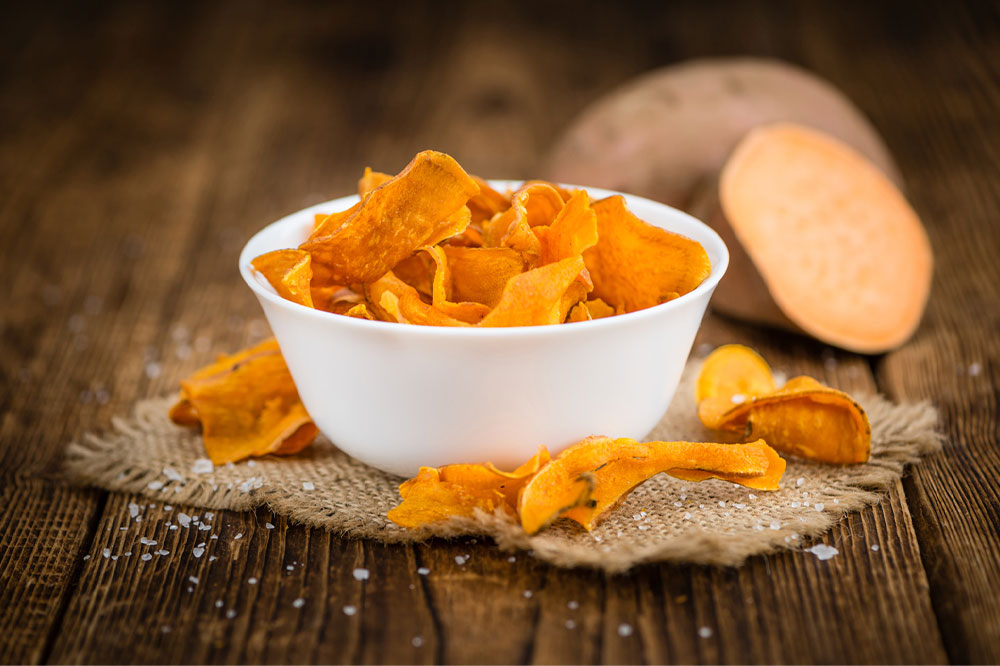
Certain foods cause blood glucose levels to rise quickly. When that happens, the pancreas releases insulin to absorb the excess glucose and normalize their levels again. However, in type 1 and type 2 diabetes, the body cannot produce sufficient insulin, leading to continuous high blood sugar and other health concerns. Type 2 diabetes is more common and can be managed better by avoiding certain foods and making a few lifestyle changes. Foods that surprisingly increase blood sugar levels The following are a few everyday foods that might spike blood sugar and should hence be avoided: Fruits Studies show that fruits can spike blood sugar levels, especially those with a high glycemic index (GI). A few examples are pineapple, watermelon, mango, lychee, and banana. These fruits are rich in vitamins, minerals, and antioxidants but also have a lot of natural sugar, so people with type 2 diabetes should avoid binging on them. Instead, one can choose fruits with low GI scores, like apples, grapefruit, berries, and oranges. Again, it is best to have them in moderation. Starchy vegetables White or sweet potatoes, corn, green peas, turnips, corn, and beets are some starchy veggies high in carbs that may destabilize a person’s blood sugar.
Top 7 Foods to Manage Chronic Kidney Disease

Top 7 Foods to Manage Chronic Kidney Disease
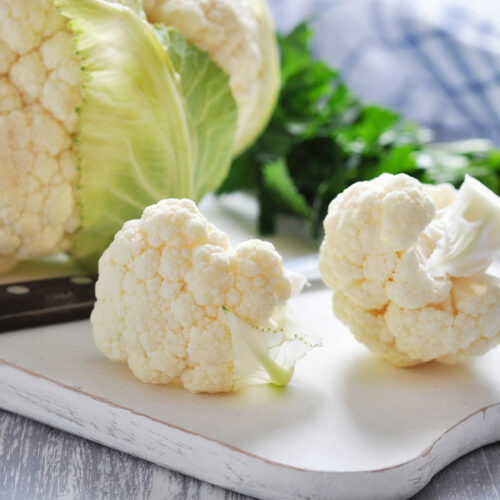
Food habits and choices have a direct impact on one’s overall well-being. Overeating certain unhealthy foods can directly impact many organs, including the kidney, heart, and stomach. For example, a person with a chronic kidney condition should keep a close eye on regular meals to avoid worsening the condition and stay active. These poor eating habits may eventually lead to health problems. Here are some of the best foods to treat chronic kidney conditions and other nutritional tips for a healthy lifestyle. Best foods for kidney conditions Cauliflower This cruciferous vegetable is high in vitamin C and is a good source of fiber and folate. It also contains indoles, glucosinolates, and thiocyanates, which help the liver neutralize harmful chemicals that may damage cell membranes and DNA. It can be served steamed, boiled, or raw with a dip. It can also be tossed in a salad with spices such as turmeric, curry powder, pepper, and herb seasonings. Cauliflower can be combined with spaghetti or mashed as a dialysis meal replacement for mashed potatoes. 1/2 cup of cooked cauliflower contains 9 mg of sodium, 88 mg of potassium, and 20 mg of phosphorus. Onions Onion is a common condiment in many prepared dishes, and it contains sulfur compounds that give it its pungent aroma.

16 Food Options to Have and Avoid for Hyperkalemia Patients

16 Food Options to Have and Avoid for Hyperkalemia Patients
Hyperkalemia is a condition wherein patients show the presence of excessive levels of potassium in the blood. It causes an electrolyte imbalance in the body, potentially leading to severe health concerns. The condition is rare since the body can regulate the electrolyte balance. Some common hyperkalemia symptoms include muscle weakness, fatigue, nausea, heart palpitations, and irregular heartbeats. Carefully selecting the right foods can help manage blood potassium levels without resorting to prescriptions and other treatments. Foods that are safe for hyperkalemia patients Apples Apples are a rich source of soluble fiber that helps decrease cholesterol levels in the body and promote overall health. They also have low levels of potassium, which makes them a great choice for people with hyperkalemia. Apples can also be included in the form of applesauce or juice. Blueberries Blueberries are rich in antioxidants and can help the body fight off oxidative damage caused by the presence of free radicals. Their low potassium and high fiber content makes them a hyperkalemia-friendly food that can be had safely. Blackberries, strawberries, and raspberries can also be included in the meal plan. Cabbage Cabbage is a good source of vitamins C and K that help improve bone health and strengthen immunity.

7 foods to avoid when dealing with lung cancer

7 foods to avoid when dealing with lung cancer
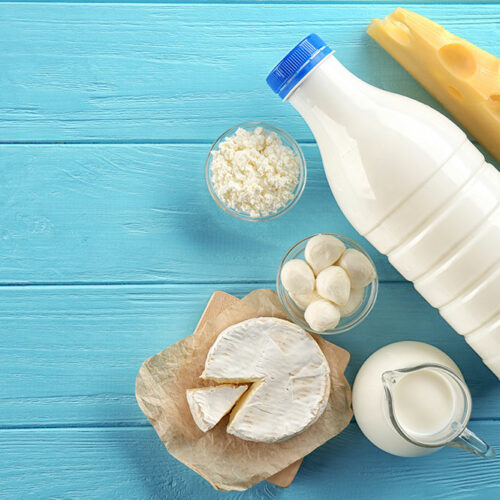
Cancer is the mutation of healthy cells in the body. Lung cancer develops when the cells in the respiratory tract multiply rapidly, resulting in uncontrolled growth that destroys other healthy cells. Lung cancer is progressive in nature and has no cure. But nutrition plays an important role in the progression or remission of cancer, depending on the severity of the condition. Here are some foods to avoid and improve the outlook of living with cancer: Dairy products Cancer affects the immune system. While undergoing treatment for lung cancer, the body becomes vulnerable to viruses and bacterial infections that can trigger respiratory complications. This is why nutritionists recommend avoiding unpasteurized dairy products like soft cheese, raw unprocessed milk, and raw yogurt. The live bacteria in these foods and beverages can trigger an infection that is difficult to manage with lung cancer. So, when dealing with lung cancer, one should avoid raw and unprocessed dairy and look for plant-based milk alternatives. Raw eggs Eggs are a nutritious source of proteins and healthy omega-3 fatty acids. But raw eggs, especially the yolk, contain billions of live bacteria that the body will not be able to digest with a compromised immune system. Eggs are the primary source of salmonella bacteria that mimics contamination caused by unpasteurized dairy products.

Scoliosis – Symptoms and best and worst food choices

Scoliosis – Symptoms and best and worst food choices
Scoliosis is a spinal condition where the spine curves sideways, predominantly in adolescents. Even though it is most commonly associated with people suffering from muscular dystrophy and cerebral palsy, the reasons for childhood scoliosis remain largely unknown. In most cases, the condition remains in the mild category. However, if scoliosis deteriorates, the spinal curvature worsens, leading to several other complications, such as permanent disabling, excessive pressure on the chest, and others. Symptoms of scoliosis Even though in the case of scoliosis, the curvature of the spine is obvious, this condition can reflect some other significant symptoms, such as: The affected person may have an uneven shoulder structure. The shoulder blade of one side may appear more prominent than the others. The waist structure may seem uneven. One hip can be positioned higher than the other. One side of the rib cage will seem to be jutting forward. Sometimes, the spine may rotate or twist along the curve, etc. If you notice such curves or signs in your child, you shouldn’t delay in consulting a doctor. Sometimes, these symptoms may not be visible initially but grow gradually. The earlier you spot these issues, the better treatment the patient can receive. Scoliosis and food options The condition may have some treatment options available, but it is not curable.

9 Foods to Avoid When Managing Atrial Fibrillation

9 Foods to Avoid When Managing Atrial Fibrillation
Atrial fibrillation (AFib) is a health disorder that causes a person’s heartbeats to become irregular. This happens because the regular rhythmic pumping of the atria or the upper chambers of the heart is disrupted. As a result, the heart’s function becomes less efficient. Although there is no permanent cure, treatments and lifestyle changes, such as the food one eats and avoids, can help. Here is a list of foods to avoid with atrial fibrillation and what to eat instead. Foods to avoid with atrial fibrillation High amounts of salt in foods Salt is an essential condiment for all meal preps since it enhances flavors. However, it should be had in moderation as too much salt increases the sodium level in the blood. This alleviates blood pressure and causes hypertension. As a result of this, the symptoms of AFib are triggered. Energy drinks One of the major ingredients of energy drinks is caffeine. In addition, these drinks contain an elevated amount of sugar or sugar substitutes. Over the long term, this combination is not only bad for overall health but also for AFib’s condition. While caffeine, as it is, has not been found to be bad for AFib symptoms, it drastically changes the heart’s rhythms when it is mixed with the other ingredients in energy drinks.

Our
Blog.

Managing kidney health – Best and worst foods

Managing kidney health – Best and worst foods

The kidneys are bean-shaped organs that are responsible for important bodily functions, like producing hormones, removing waste through urine, filtering blood, balancing minerals, and maintaining fluid balance. But, according to the American Kidney Fund, more than 1 in 7 adults in the country are affected by chronic kidney diseases. So, it is important to maintain kidney health by making better lifestyle choices and opting for foods that support kidney health. Food and kidney health The kidneys have multiple tiny blood vessels that help filter and eliminate excess water and waste from the body. If one is affected by chronic kidney diseases, the kidneys cannot filter blood, leading to the accumulation of waste in the body. Hypertension and diabetes are some of the leading causes of kidney disease. So, a healthy food plan can help prevent and manage these conditions by removing excess sodium, phosphorus, or potassium. Additionally, some foods should be limited or avoided to prevent further kidney damage. Best foods for kidney health Sweet potatoes: Sweet potatoes are similar to white potatoes but have excess fiber, which the body can take longer to break down, resulting in less of a spike in insulin levels in the body. Additionally, sweet potatoes contain various nutrients and minerals that may help balance the sodium and reduce its effect on the kidneys.
Read More
11 useful tips for anxiety management

11 useful tips for anxiety management

Nearly 84% of participants in a particular mental health survey were said to have some form of anxiety. The severity of symptoms did vary from person to person, but the fact remains that we live in a world where almost everything is a potential trigger for anxiety. And living in denial about having a psychological trigger only worsens the problem. Luckily, it is possible to manage anxiety by following the suggestions recommended by experts. Identify the triggers Anxiety is mainly triggered due to an event or episode where one finds themselves in a difficult position. It could be something that puts a person out of their comfort zone. Doctors advise people to identify these triggers and avoid them. Any comment, action, or situation that did not work out in favor triggers anxiety. So, make a list of such events and instances and ignore them the next time something happens related to that event. At the same time, try to remain positive as it can help strengthen the mind to manage anxiety better. Keep busy Distraction is one of the simplest ways to prevent a panic or anxiety attack. You can perform simple chores or indulge in a favorite task to stay physically and mentally occupied for a few hours.
Read More