Top 6 foods that may reduce dementia risk
Top 6 foods that may reduce dementia risk
Many individuals mistakenly believe that dementia is a disease, but it’s a term used to describe symptoms related to memory, social abilities, and thinking. These symptoms can be challenging to manage and can impact daily activities. However, healthcare professionals often recommend implementing a healthy meal plan as a way to improve management. If you’re interested in learning about how your food intake can reduce the risk of developing dementia, read on. What is dementia? As previously mentioned, dementia is not a specific disease. Instead, health conditions like Alzheimer’s disease are among its most frequent causes in older adults. Other known causes of dementia include damage to the blood vessels that supply nutrients to the brain, the formation of balloon-like proteins in the brain, and the breakdown of connections and nerve cells in the brain. While memory loss is one of its most recognizable signs, this symptom alone does not mean one has dementia. Most symptoms of this group of health issues can vary depending on the cause. Hence, here are some of the most common signs to look out for. Memory loss Difficulties while communicating Reasoning and problem-solving issues Poor control of movements and coordination Disorientation Confusion What are the foods that can help reduce the risk of dementia?


Understanding blood clots – Signs and foods to eat

Understanding blood clots – Signs and foods to eat
Blood clots, or thrombi, quietly pose a significant risk to human health. While the body’s coagulation system serves as a vital guardian against excessive bleeding, any disruption in its balance can tip the scales toward the formation of these potentially life-altering blood clots. This article discusses blood clots, exploring the signs and symptoms that should never be overlooked while also shedding light on the role of nutrition in preventing their formation. Recognizing the signs of blood clots Blood clots can manifest in various ways, and identifying their signs is crucial for timely intervention. Here are some symptoms that may indicate the presence of blood clots: Localized pain Pain in the area where a clot has formed is a common symptom. It can range from mild to severe, and it often intensifies when pressure is applied. Skin discoloration Blood clots can cause the skin over the affected area to turn pale or bluish. This discoloration is a result of reduced blood flow to the region. Vein inflammation In cases of deep vein thrombosis (DVT), where clots form in deep veins, affected limbs may become swollen, red, and warm to the touch. The swelling is often accompanied by a sense of heaviness in the limb.

Top 10 mistakes that make food cravings worse

Top 10 mistakes that make food cravings worse
Food cravings are completely normal, as is indulging in them occasionally. However, when food cravings lead to overindulgence, they can be quite harmful. Moreover, battling food cravings becomes even tougher when one is trying to cut down on unhealthy food or switch to a healthier lifestyle. In trying to fight these cravings, one often makes mistakes that can exacerbate them. Here are ten common mistakes that can worsen food cravings and should be avoided: 1. Switching to bland or boring foods When one thinks of switching to healthier food options, they often start incorporating bland food. Thinking that healthy food options need to be bland is a misconception. In fact, when one does not enjoy their food, it only makes them crave better-tasting food even more. So, instead of depriving oneself of taste, focusing on adding flavor and variety to the meals is better. For instance, incorporating spices, herbs, and seasonings can make the dishes more enjoyable. Savoring flavorful meals can then reduce the desire for unhealthy snacks. 2. Skipping meals One of the biggest mistakes individuals often make in their daily routine is skipping meals, especially breakfast. Skipping meals makes one crave food even more. In fact, it leads to intense hunger later in the day, triggering cravings for high-calorie foods because the body needs to get its energy levels back up.

17 foods that may help fight bad breath

17 foods that may help fight bad breath
Bad breath or halitosis can often be troublesome when it comes to oral freshness. The primary cause is usually poor oral hygiene. Other probable factors, like underlying health issues, can contribute to this issue. However, there are natural solutions found in everyday foods that provide an alternative to pharmaceutical remedies. Adding these foods to the routine can help improve overall health and gut microbiota that can help fight bad breath. Apples Apples are a remarkable natural aid in the battle against bad breath. Their high water content stimulates saliva production, aiding in the rinsing of the mouth. Moreover, the gentle abrasiveness of apples helps minimize the buildup of plaque. Additionally, malic acid actively encourages saliva production while maintaining an optimal pH balance within the oral environment. Whether enjoyed as a convenient and refreshing snack or added to salads, the satisfying crunch of apples promotes oral health. Carrots Packed with beta-carotene and fiber, carrots are ideal for maintaining oral hygiene. The act of chewing on raw carrots not only stimulates saliva flow but also neutralizes acidity, reducing the risk of bacterial growth. Essentially, carrots serve as natural cleansers, fortifying oral health. One can enjoy carrot sticks as a refreshing snack or integrate them into salads and soups.

10 best foods to manage hemophilia and its symptoms

10 best foods to manage hemophilia and its symptoms
Hemophilia is a genetic disorder that negatively affects the body’s ability to stop blood clotting. Here, the body is unable to prevent excessive bleeding when a blood vessel is injured, leading to symptoms like easy bruises and swelling. The condition is usually diagnosed at a young age. Hemophilia requires a holistic approach to care, including a keen focus on nutrition. There are a range of foods and nutrition that is known to empower those grappling with hemophilia. Best foods for hemophilia Lean proteins Foods like poultry, fish, and legumes offer a rich source of lean protein without the added burden of excessive fat. Plant-based sources like legumes and tofu are also loaded with proteins. These proteins contribute to muscle strength and tissue repair, aiding in the body’s ability to recover from potential bleeding incidents. Fruits Fruits contribute to one’s overall health, but those that are rich sources of vitamin C assist in the absorption of iron. Citrus fruits like oranges, pineapples, kiwis, lemons, and lime offer a tasty and vitamin C-packed punch, enhancing the body’s connective tissue and supporting blood vessel health. Strawberries, blueberries, tomatoes, melons, and bell peppers are also excellent plant-based sources that offer a refreshing way to boost the immune system and promote healing.

8 foods that may help prevent stomach cancer

8 foods that may help prevent stomach cancer
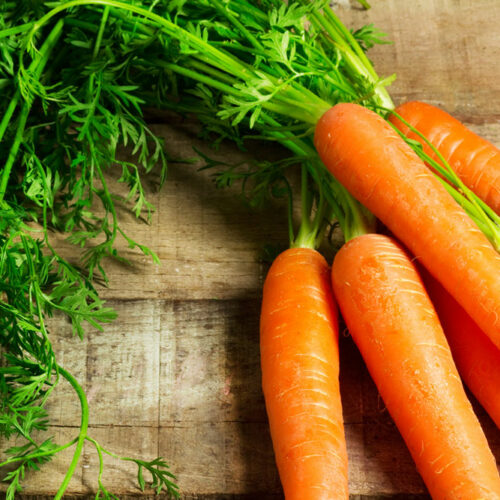
Stomach cancer, also known as gastric cancer, is a type of cancer that originates in the cells lining the stomach. Gastric cancer can get fatal if it is not diagnosed and treated at an early stage, as the exact cause of stomach cancer remains inconclusive. While genetic factors, age, pre-existing stomach conditions, and infections contribute to its development, emerging research suggests that eating certain foods may contribute to a lower risk of stomach cancer. Foods that may help prevent stomach cancer Eating healthy and balanced meals can contribute to overall well-being and may help reduce the risk of stomach cancer. Here are some favorable foods: Carrots Carrot is a commonly found root vegetable that stands out as a notable reservoir of beta-carotene, a protective plant pigment known for lowering the risk of stomach cancer. A recent study showed that eating carrots daily resulted in a remarkable 26% decrease in the risk of developing stomach cancer. This versatile vegetable can be eaten raw, with hummus, or added to several other dishes, like salads, wraps, soups, salads, and wraps. One carrot contains fewer than 30 calories but delivers approximately 200% of the daily recommended intake of vitamin A. People with the most vitamin A and retinol in their food intake had a 40% to 60% lower chance of getting stomach cancer compared to those who had the least.

Our
Blog.

Managing kidney health – Best and worst foods

Managing kidney health – Best and worst foods

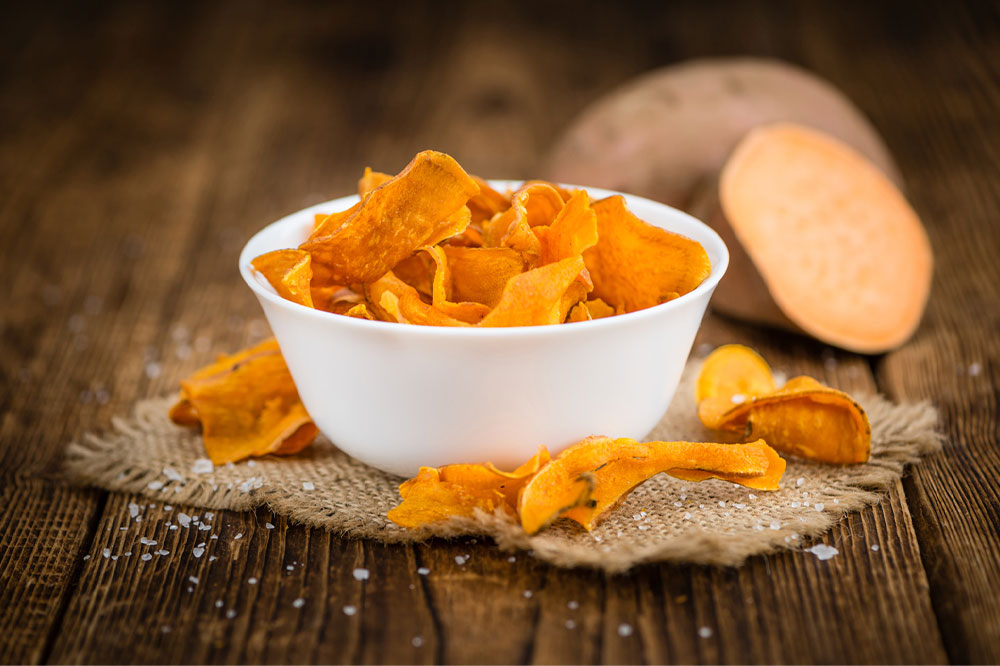
The kidneys are bean-shaped organs that are responsible for important bodily functions, like producing hormones, removing waste through urine, filtering blood, balancing minerals, and maintaining fluid balance. But, according to the American Kidney Fund, more than 1 in 7 adults in the country are affected by chronic kidney diseases. So, it is important to maintain kidney health by making better lifestyle choices and opting for foods that support kidney health. Food and kidney health The kidneys have multiple tiny blood vessels that help filter and eliminate excess water and waste from the body. If one is affected by chronic kidney diseases, the kidneys cannot filter blood, leading to the accumulation of waste in the body. Hypertension and diabetes are some of the leading causes of kidney disease. So, a healthy food plan can help prevent and manage these conditions by removing excess sodium, phosphorus, or potassium. Additionally, some foods should be limited or avoided to prevent further kidney damage. Best foods for kidney health Sweet potatoes: Sweet potatoes are similar to white potatoes but have excess fiber, which the body can take longer to break down, resulting in less of a spike in insulin levels in the body. Additionally, sweet potatoes contain various nutrients and minerals that may help balance the sodium and reduce its effect on the kidneys.
Read More
11 useful tips for anxiety management

11 useful tips for anxiety management

Nearly 84% of participants in a particular mental health survey were said to have some form of anxiety. The severity of symptoms did vary from person to person, but the fact remains that we live in a world where almost everything is a potential trigger for anxiety. And living in denial about having a psychological trigger only worsens the problem. Luckily, it is possible to manage anxiety by following the suggestions recommended by experts. Identify the triggers Anxiety is mainly triggered due to an event or episode where one finds themselves in a difficult position. It could be something that puts a person out of their comfort zone. Doctors advise people to identify these triggers and avoid them. Any comment, action, or situation that did not work out in favor triggers anxiety. So, make a list of such events and instances and ignore them the next time something happens related to that event. At the same time, try to remain positive as it can help strengthen the mind to manage anxiety better. Keep busy Distraction is one of the simplest ways to prevent a panic or anxiety attack. You can perform simple chores or indulge in a favorite task to stay physically and mentally occupied for a few hours.
Read More