10 foods that can trigger IBS symptoms

10 foods that can trigger IBS symptoms
Irritable bowel syndrome, commonly known as IBS, is a gastrointestinal disorder that affects many people in the country. While its symptoms can vary from person to person, they usually include bloating, constipation or diarrhea, abdominal pain, and cramping. Since IBS is a chronic condition that can affect one’s quality of life, it is essential to manage it well. A significant factor that can trigger or worsen IBS is the consumption of the following foods. Milk Milk and dairy products contain a sugar called lactose, which can be hard to digest. When people with IBS consume lactose, they may experience symptoms like bloating, abdominal discomfort, and diarrhea. For some, dairy products, especially cheese, can also trigger constipation. Hence, it is better for those with the condition to avoid dairy products, especially if they are lactose intolerant. Broccoli Cruciferous vegetables like broccoli, cabbage, Brussels sprouts, and kale are known for their high nutritional content. However, they are particularly hard to digest, especially when eaten raw. These vegetables can trigger IBS symptoms like gas and bloating. If someone cannot do without these veggies, they must cook them well before adding them to their meals. Doing so makes them comparatively easier to digest, reducing the risk of a flare-up.

8 trigger foods to avoid with ulcerative colitis

8 trigger foods to avoid with ulcerative colitis
Ulcerative colitis is a disorder that causes inflammation, ulcers, and sores in the digestive tract of individuals. This condition adversely affects the inner lining of the colon, large intestine, and rectum. Further, certain foods tend to worsen the symptoms of ulcerative colitis as they are either hard to digest or are likely to exacerbate the inflammation in the digestive tract. Here are some trigger foods to avoid with ulcerative colitis. Cakes and pastries Sugary foods are known to be inflammatory in nature. Various research studies have found that sugar-laden foods like candies, sodas, juices, cakes, and pastries are more likely to trigger ulcerative colitis flare-ups in individuals. Additionally, such foods raise the blood sugar levels. This can further cause health complications and flare-ups that worsen the various ulcerative colitis symptoms that already exist in vulnerable individuals. Fried chips High-fat foods are next in line after sugary foods when it comes to the eatables that are inflammatory for the digestive tract. High-fat foods such as fried chips increase the possibility of inflammation, even in people who do not have ulcerative colitis. So, these foods can significantly increase the inflammation levels in individuals with the condition, thereby worsening the symptoms. If one regularly eats foods like margarine, cream, butter, coconut oils, French fries, and fried chips, they are at a high risk of developing ulcerative colitis.

6 foods that can trigger epilepsy symptoms

6 foods that can trigger epilepsy symptoms
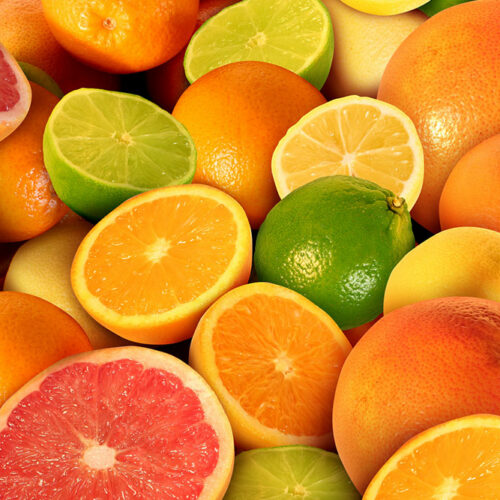
Epilepsy is a disorder that causes disturbances in nerve cell activity in the brain, leading to the occurrence of seizures. There are various types of epilepsy, and the causes for some are unknown. The treatment and management of this condition involves a holistic approach, and nutrition plays a crucial role in it. Food choices are critical when managing the condition, so it is essential to be aware of ingredients or types of foods that may trigger epilepsy symptoms. Citrus fruits One must be mindful of citrus fruits, such as oranges, pomegranates, grape juice, fruit lime, and similar fruits. While these fruits may have numerous benefits, they can potentially interfere with the treatment program and trigger symptoms of the condition. In particular, grapefruit and oranges are known to act as catalysts for the side effects caused by the treatment methods for epilepsy. Research suggests that the enzymes found in these fruits help break down the epilepsy treatment products in the body, making them less effective in treating the condition. If the treatment is unable to show results, it can leave the patient more vulnerable to frequent seizures and other associated symptoms. Speaking to a doctor to understand which foods should or should not be included in the meal plan is an important step to take during epilepsy treatment.

9 foods that can trigger respiratory problems

9 foods that can trigger respiratory problems
What we eat affects our health. So naturally, eating unhealthy foods that are loaded with empty calories can trigger various health complications, including respiratory problems. These breathing problems might become more prominent in those who are sensitive or allergic to certain foods. So, while one must make healthy meal choices, one should also be mindful of potential triggers. Below is a list of foods that can trigger respiratory problems. 1. Salmon Fish like salmon are known for being rich in omega-3 fatty acids and their heart-healthy composition. However, eating them can become problematic for those with fish or seafood allergies. One might experience respiratory distress in such situations. Instead of eating salmon, one could have other sources of omega-3 fats and protein. This way, those with allergies can reap a particular food’s cardiovascular benefits without the respiratory risks. Other fish that one might be allergic to include tuna and cod. 2. Oranges Most individuals enjoy eating oranges because of their immune-boosting vitamin C content. Unfortunately, they contain natural compounds that might act as respiratory irritants in people sensitive to citrus fruits. Other fruits that one should avoid if they are allergic include grapefruits and lemons. Alternatively, an individual could consume other fruits rich in vitamin C, such as kiwis or berries.

Managing kidney health – Best and worst foods

Managing kidney health – Best and worst foods
The kidneys are bean-shaped organs that are responsible for important bodily functions, like producing hormones, removing waste through urine, filtering blood, balancing minerals, and maintaining fluid balance. But, according to the American Kidney Fund, more than 1 in 7 adults in the country are affected by chronic kidney diseases. So, it is important to maintain kidney health by making better lifestyle choices and opting for foods that support kidney health. Food and kidney health The kidneys have multiple tiny blood vessels that help filter and eliminate excess water and waste from the body. If one is affected by chronic kidney diseases, the kidneys cannot filter blood, leading to the accumulation of waste in the body. Hypertension and diabetes are some of the leading causes of kidney disease. So, a healthy food plan can help prevent and manage these conditions by removing excess sodium, phosphorus, or potassium. Additionally, some foods should be limited or avoided to prevent further kidney damage. Best foods for kidney health Sweet potatoes: Sweet potatoes are similar to white potatoes but have excess fiber, which the body can take longer to break down, resulting in less of a spike in insulin levels in the body. Additionally, sweet potatoes contain various nutrients and minerals that may help balance the sodium and reduce its effect on the kidneys.

Dental implant aftercare – Best and worst foods

Dental implant aftercare – Best and worst foods
Dental implant surgery is an important procedure, so although one might be eager to resume normal eating habits, one might have to follow strict food plans during the recovery period. Further, for a quicker recovery, certain food items should be avoided, and only ones that are considered safe can be included in meals after the surgery. The restrictive regimen is usually recommended for the recovery period, as it can help ensure the procedure is successful. Best foods Here is what one can have after getting dental implants: Liquids and soups If feasible, one should consider limiting their nutritional intake to all-liquid meals during the first couple of days following dental implant surgery. This includes smooth soups (nothing too chunky), homemade broths and bouillon, meal-replacement beverages, protein beverages, fruit smoothies, and other juices. Consider choosing healthy beverages with a high calcium content for healthier teeth. Additionally, while making fruit smoothies, one should add citrus fruits, like oranges and grapefruits, in moderation. Citrus fruits are rich in vitamin C, an essential nutrient for gum health, but they are also extremely acidic, which can erode tooth enamel. Additionally. soup is an incredibly nutritious food choice. It is advised to have warm soup rather than heated.

Our
Blog.

11 useful tips for anxiety management

11 useful tips for anxiety management

Nearly 84% of participants in a particular mental health survey were said to have some form of anxiety. The severity of symptoms did vary from person to person, but the fact remains that we live in a world where almost everything is a potential trigger for anxiety. And living in denial about having a psychological trigger only worsens the problem. Luckily, it is possible to manage anxiety by following the suggestions recommended by experts. Identify the triggers Anxiety is mainly triggered due to an event or episode where one finds themselves in a difficult position. It could be something that puts a person out of their comfort zone. Doctors advise people to identify these triggers and avoid them. Any comment, action, or situation that did not work out in favor triggers anxiety. So, make a list of such events and instances and ignore them the next time something happens related to that event. At the same time, try to remain positive as it can help strengthen the mind to manage anxiety better. Keep busy Distraction is one of the simplest ways to prevent a panic or anxiety attack. You can perform simple chores or indulge in a favorite task to stay physically and mentally occupied for a few hours.
Read More
Factors to consider before buying a new mattress

Factors to consider before buying a new mattress

Picking out the perfect mattress is one of the most important home-makeover decisions you can make for a consistent good night’s sleep. With so many options available, from materials used and features offered to affordability and longevity, it may seem unnerving to navigate the market to find the right one for you. While buying a mattress is ultimately a matter of personal preference, here are some things to consider before choosing a new one: Type of mattress Memory foam and innerspring mattresses are the most popular choice among people. However, there are many other types of mattresses that you can opt for, depending on your requirements. Memory foam Memory foam mattresses offer the best pressure relief. They can conform to the body and take the weight off the pressure points for a comfortable night’s rest. These are ideal for side sleepers or those experiencing back pain because they promote proper spine alignment by reducing the pressure on the shoulders and hips. The only downside of conventional memory foam mattresses is that they can trap heat more easily and may be uncomfortable for hot sleepers. Latex Latex mattresses are more resilient than memory foam mattresses, which makes them firmer with less sinking in.
Read More