20 Nutritious Foods for Better Lung Health
20 Nutritious Foods for Better Lung Health
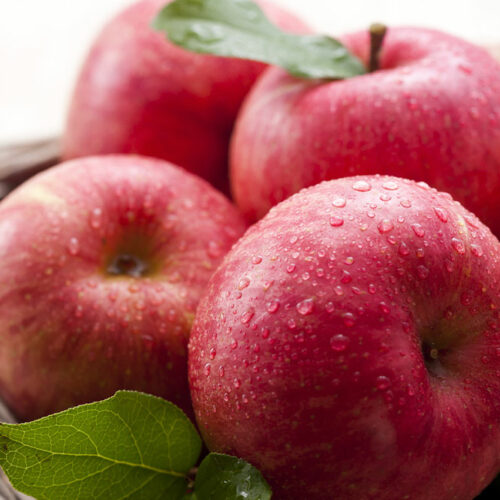
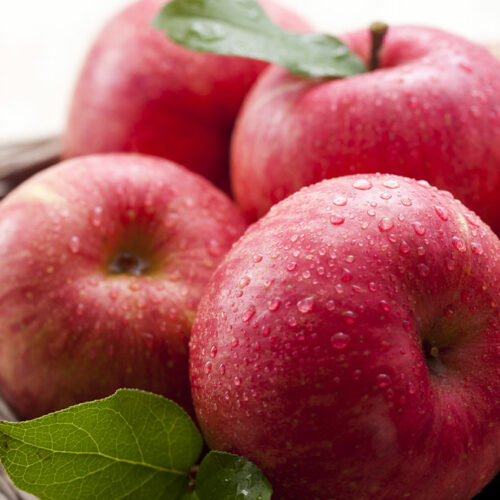
Good lung health is crucial for overall well-being. Environmental toxins, poor lifestyle habits, and inflammatory foods can damage the lungs and lead to chronic obstructive pulmonary disease (COPD), asthma, pulmonary fibrosis, and other conditions that can significantly impact one’s quality of life. Adding nutritious foods to the meals can help mitigate some of this damage and reduce the symptoms and severity of lung disease. Try these 20 foods to boost lung function and improve breathing. Apples Research suggests that those who eat at least five apples a week are less likely to develop COPD. Apples contain an antioxidant called quercetin, which slows lung function decline. The fruit also helps lower the risk of asthma and lung cancer owing to its flavonoids and vitamin C content. Beetroots Beetroots and beet greens are rich sources of nitrates, which can help optimize lung function, relax blood vessels, and reduce blood pressure. Beets are also packed with beneficial nutrients, such as magnesium, potassium, vitamin C, and carotenoid antioxidants. Beetroot (in its natural form or as a supplement) is known to improve physical performance and lung function in those with COPD and pulmonary hypertension. Peppers Peppers are rich in vitamin C, a vitamin that has been shown to improve lung function.

15 Foods to Improve Blood Count and Circulation

15 Foods to Improve Blood Count and Circulation
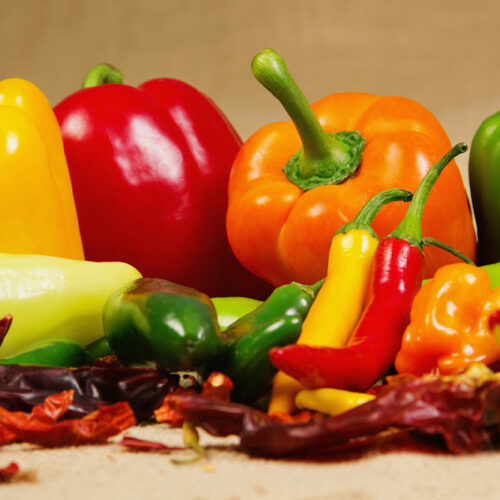
Blood circulation is essential for the supply of nutrients and oxygen to all parts of the body. Poor circulation can negatively affect vital organs, such as the heart, kidneys, and brain, and prove fatal if left untreated. But besides circulating well, the blood must also have a healthy count of vital constituents like plasma, red blood cells, white blood cells, and platelets. Here are some foods that help improve blood count and circulation. Peppers Peppers like cayenne contain a compound called capsaicin, which has anti-inflammatory and antioxidant properties. Some studies say it can help lower the risk of high blood pressure, diabetes, and arteriosclerosis. Beetroot Beetroots are rich in nitrates, which the body converts into nitric oxide. Nitric oxide is a vasodilator that helps expand blood vessels and improve blood flow to tissues and organs. It helps lower systolic blood pressure, widen arteries, and improve stamina. Beets are also a great source of folate, potassium, vitamin C, and fiber, which are essential nutrients for a healthy body. Leafy greens Like beetroots, leafy green vegetables, such as spinach and collard greens, are rich sources of nitric oxide. They help the blood circulate better through the body by dilating the blood vessels.

Top 15 Foods for Pulmonary Fibrosis Management

Top 15 Foods for Pulmonary Fibrosis Management
Pulmonary fibrosis is a lung condition that causes scarring and damage to the lung tissue. This makes it difficult for the lungs to function properly and can cause shortness of breath. Other common symptoms of pulmonary fibrosis include a dry cough that does not go away, fatigue, and unexplainable weight loss. The average survival time once diagnosed with pulmonary fibrosis is three to five years, making diagnosing PF very scary. However, eating certain lung-healthy foods can help improve their quality of life. Here are some foods that can help one manage pulmonary fibrosis better: Coffee Coffee contains caffeine and polyphenols, which are anti-inflammatory. Not only does it provide one with a daily energy boost, but it also acts as a vasodilator. Vasodilators open up the blood vessels, which helps reduce the symptoms of chronic lung disease for a short while. According to the FDA, the recommended caffeine intake for healthy adults is 400 mg per day, which equals about four or five cups of coffee. Whole grains Whole grains, like brown rice, whole wheat, oats, quinoa, and barley are a rich source of fiber, vitamin E, selenium, and essential fatty acids crucial for lung health. According to certain research, people who eat more fiber have better lung function than those who don’t.

16 Best and Worst Foods to Combat Constipation

16 Best and Worst Foods to Combat Constipation
A common digestive problem, constipation affects millions of people all across the globe. Sadly, most people struggle silently with it because the subject can be uncomfortable. Thankfully, eating the right foods can be of great help to anyone that is feeling backed up. At the same time, certain foods make it difficult to squeeze one out, resulting in further issues. Thus, it is crucial to pay attention to one’s meal plans when tackling constipation. Fiber-rich foods to eat for constipation Flaxseeds Flaxseeds are a rich source of fiber and play a huge role in helping healthy bowel movements. Flaxseeds carry both soluble as well as insoluble fiber, helping soften stools. Their high fiber content also contributes to the increase in the frequency of bowels. They can be added to smoothies, salads, toast, guacamole, oatmeal, and yogurt. Flaxseeds can even be used in the form of powder. Apples Apples are rich in nutrients and fiber content. High levels of pectin in this fruit help bring up the level of soluble fiber in the gut, resulting in bulking up of stools. Because of this, apples contribute to the easier passing of stools. Eating an apple a day can improve the overall digestion of a person and promote easier and more regular bowel movements.

10 healthy foods that provide constipation relief

10 healthy foods that provide constipation relief
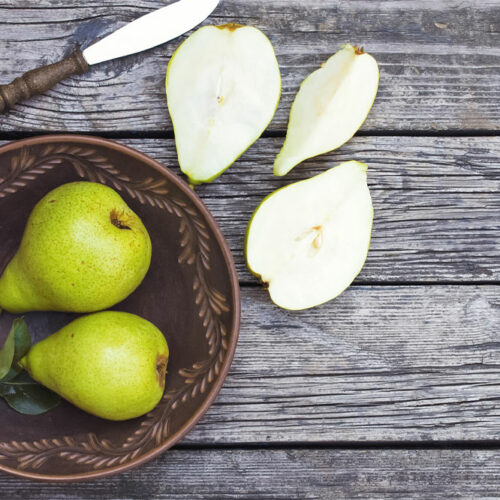
Constipation refers to the inability to pass stools regularly. There are several risks and known causes linked to underlying health complications that trigger this condition. It can also be a side effect of prescription therapies that affect digestion. However, it is possible to manage and even cure constipation with simple changes in lifestyle and nutritional habits. Some healthy foods that help prevent flare-ups and provide immediate and long-term relief are listed below. Apples Apples are an excellent source of soluble fibers called pectin, a natural compound concentrated in the fruit’s skin. When digested, pectin is rapidly absorbed by the gut bacteria to pull water inside the colon. This reaction helps soften the stools and facilitates faster movement along the digestive tract. Pectin also naturally helps increase the gut bacteria necessary for promoting metabolic activities that control digestion. Pears Pears are a tasty alternative to apples that also provide the necessary boost of soluble fibers. In addition to fiber that helps bulk up stools, pears are also a rich source of sorbitol that further acts as a natural laxative. And the fructose (natural sugars) in the fruit helps pull water inside the colon to help soften the stools. A single pear fruit packs 5.5 grams of fiber, which is nearly a fifth of the daily requirement suggested for adults.

6 best foods that reduce menstrual pain

6 best foods that reduce menstrual pain
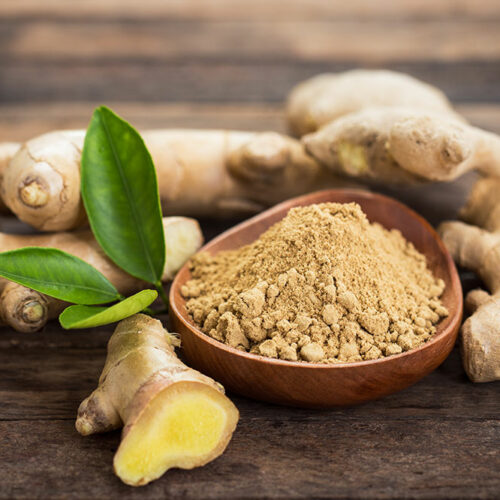
Menstrual cramps or period pain is described as throbbing discomfort experienced in the lower abdomen for women on their period or right before they start their menstrual cycle. This cramping does not just cause discomfort but gets so severe on some days of the month that it interferes with everyday activities. Some conditions like endometriosis or uterine fibroids can also trigger more pain. However, some foods may help in managing this pain. Ginger This is a popular ingredient in many home remedies that help relieve pain and inflammation in the body. It has compounds known to relieve period pain by inhibiting the production of prostaglandins. These chemicals are known to trigger the muscle contractions that happen during the shedding of the uterus lining. During periods, this production increases; hence, taking small amounts of ginger can help inhibit its production. While taking ginger is good, always be careful of the quantity and spread out its use. For example, add thin slices or paste ginger into food recipes. You can also boil tea with some ginger to help relieve menstrual cramps. Fatty fish This includes fish like salmon, mackerel, sardines, and anchovies. These are all fish that contain high amounts of omega-3s.

Our
Blog.

Managing kidney health – Best and worst foods

Managing kidney health – Best and worst foods

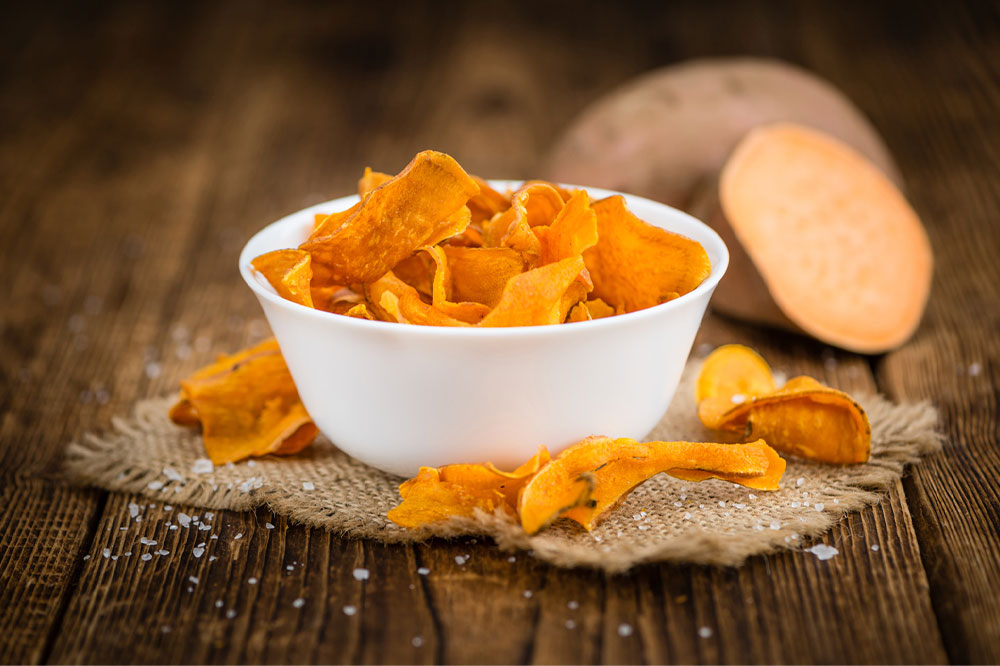
The kidneys are bean-shaped organs that are responsible for important bodily functions, like producing hormones, removing waste through urine, filtering blood, balancing minerals, and maintaining fluid balance. But, according to the American Kidney Fund, more than 1 in 7 adults in the country are affected by chronic kidney diseases. So, it is important to maintain kidney health by making better lifestyle choices and opting for foods that support kidney health. Food and kidney health The kidneys have multiple tiny blood vessels that help filter and eliminate excess water and waste from the body. If one is affected by chronic kidney diseases, the kidneys cannot filter blood, leading to the accumulation of waste in the body. Hypertension and diabetes are some of the leading causes of kidney disease. So, a healthy food plan can help prevent and manage these conditions by removing excess sodium, phosphorus, or potassium. Additionally, some foods should be limited or avoided to prevent further kidney damage. Best foods for kidney health Sweet potatoes: Sweet potatoes are similar to white potatoes but have excess fiber, which the body can take longer to break down, resulting in less of a spike in insulin levels in the body. Additionally, sweet potatoes contain various nutrients and minerals that may help balance the sodium and reduce its effect on the kidneys.
Read More
11 useful tips for anxiety management

11 useful tips for anxiety management

Nearly 84% of participants in a particular mental health survey were said to have some form of anxiety. The severity of symptoms did vary from person to person, but the fact remains that we live in a world where almost everything is a potential trigger for anxiety. And living in denial about having a psychological trigger only worsens the problem. Luckily, it is possible to manage anxiety by following the suggestions recommended by experts. Identify the triggers Anxiety is mainly triggered due to an event or episode where one finds themselves in a difficult position. It could be something that puts a person out of their comfort zone. Doctors advise people to identify these triggers and avoid them. Any comment, action, or situation that did not work out in favor triggers anxiety. So, make a list of such events and instances and ignore them the next time something happens related to that event. At the same time, try to remain positive as it can help strengthen the mind to manage anxiety better. Keep busy Distraction is one of the simplest ways to prevent a panic or anxiety attack. You can perform simple chores or indulge in a favorite task to stay physically and mentally occupied for a few hours.
Read More