12 worst foods for teeth health

12 worst foods for teeth health
A healthy smile plays a big part in one’s appearance. However, many common foods can be detrimental to teeth health, leading to the formation of plaque and cavities. Plaque is a thin, sticky, and invisible layer of bacteria and other substances that contribute to oral health problems such as gum disease and tooth decay. Over time, plaque formation can break down the enamel, and give rise to several dental problems. To prevent these issues, it is important to take proper care of one’s teeth and avoid these 12 foods that can harm teeth health: Candies Candies such as lollipops, mints, and others contain high levels of sugar. Chewing or biting on such hard candies can also cause chips or cracks in one’s teeth, increasing the risk of decay. Further, sour candies contain not only more sugar but also acids. These can be extremely tough on one’s teeth, and lead to enamel erosion. Due to their sticky nature, the candies stay on the teeth for a long time, increasing the risk of tooth decay. It may be safer to switch to chocolate instead of sour candy and rinse the mouth immediately after. Bread When chewed, the starches in bread are broken down into sugars by the saliva.

11 foods to help manage anemia

11 foods to help manage anemia
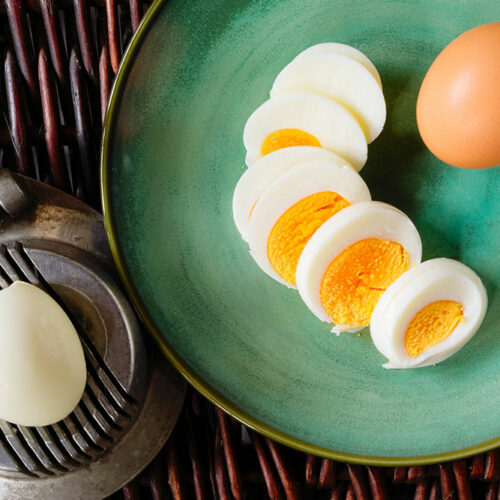
Anemia is among the most common blood disorders, where a person has fewer red blood cells than required or lower levels of a protein called hemoglobin (found in red blood cells). Healthcare providers may suggest several treatments to help people recover if they suffer from this condition. They may also recommend eating healthy foods that gradually improve the body’s red blood cell count and control the other effects of anemia, like blood pressure changes. Eggs Those who eat eggs may benefit significantly from their vitamins. Eggs are rich in vitamin B12, which is essential in maintaining proper blood flow. They are also rich in vitamin A (retinol), which promotes iron absorption. That’s not all. The breakfast favorite contains other healthy nutrients like iron and protein that could help manage the effects of anemia. Eggs are low in saturated fat and make a delicious meal, especially when combined with whole grains and dark leafy vegetables. Watermelon This water-rich fruit is among the top choices for increasing hemoglobin levels. Watermelon is rich in vitamin C, which may help better absorb iron into the body. Health agencies indicate that about 100 grams of watermelon contains 0.2 milligrams of iron. One could cut the fruit into various shapes, blend it into a juice, or make a smoothie to enjoy its health benefits.

16 foods to avoid on a cruise trip

16 foods to avoid on a cruise trip
Embarking on a cruise trip with friends and family is exciting. One can explore the open waters, enjoy breathtaking views, participate in fun activities, and visit new destinations. Sailors also get to indulge in a diverse range of cuisines, which becomes an integral part of the journey. However, individuals must be careful about what they eat onboard to avoid falling sick. Here are 16 foods that are best avoided during the trip. Uncooked eggs Raw or undercooked eggs may contain Salmonella, an infection-causing bacteria. Therefore, passengers should be cautious and only reach for dishes with cooked eggs or suitable alternatives. This ensures one can safely enjoy the food without putting their health at risk. Raw seafood Raw seafood, such as oysters, ceviche, and sushi, can harbor harmful bacteria and parasites. Eating them increases the risk of foodborne illnesses, including norovirus and vibriosis. Opting for cooked seafood varieties, such as grilled fish or steamed shellfish, allows cruisers to enjoy maritime flavors without compromising safety. Buffet perishables Perishable items at buffets, mainly those containing mayonnaise, are susceptible to bacterial growth if not stored at proper temperatures. Eating them can lead to food poisoning and gastrointestinal discomfort. Choosing freshly prepared items or those continuously monitored and refreshed by staff reduces the risk of contamination.

Top 9 foods for managing macular degeneration

Top 9 foods for managing macular degeneration
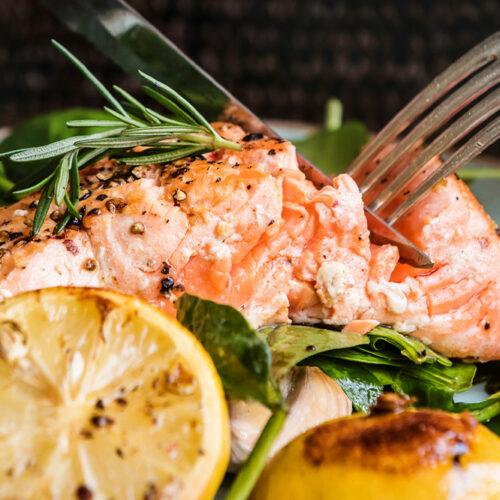
Macular degeneration is a condition in which the retina’s central portion (macula) deteriorates. The macula is responsible for recording images one sees before they are sent to the brain. Macular degeneration is the leading cause of vision loss, usually affecting people over 65. However, the condition can also develop in younger individuals due to genetic factors. One could make better food choices to manage the symptoms of this condition and improve eye health. Salmon Adding fish like salmon to one’s meal plan may significantly help improve eye health. Salmon is an excellent source of omega-3 fatty acids and proteins—essential nutrients that encompass each cell in the body. Moreover, salmon is rich in a type of omega-3 fatty acid called DHA, which is commonly found in the retina and the brain. Other fish varieties that may help maintain eye health include sardines, anchovies, and mackerel. Broccoli Multiple types of leafy green vegetables, including broccoli, can provide the necessary nutrients to maintain eye health. One can also choose other healthy veggies, like bell peppers and Brussels sprouts, that are rich in vitamins A, C, and E, which help the body fight and prevent cellular damage. Carrots One of the carrot’s primary benefits for people with age-related macular degeneration (AMD) is its antioxidant called beta-carotene.

Natural remedies and foods to help relieve sinus

Natural remedies and foods to help relieve sinus
We have four pairs of sinuses, hollow spaces in our head right behind our eyes and nose. Their role is to make thin mucus which drains out and keeps the bacteria away from our nose. If the sinuses get blocked or inflamed, bacteria can start growing there, or fluids may fill the hollow space. A runny or stuffy nose, yellow or green discharge, sinus pressure, or facial pain are typical symptoms of sinus congestion. Medical management of sinus congestion A runny nose and yellow or green discharge characterize a sinus infection that may last about ten days. It can also accompany a fever, pain in our teeth and ears, bad breath, and headache. Very severe infections could last up to 12 weeks, and you may need continuous treatment to prevent further worsening of the symptoms. In the beginning, you can increase your fluid intake and use over-the-counter nasal sprays to relieve the infection. Since it is a viral or bacterial infection, it may go away in about two weeks without the need for antibiotics, as they may be ineffective in treating viral infections. But once you are infected, if you notice that the symptoms are severe and your fever or headache does not reduce, visit a doctor and get a diagnosis.

Fight nasal congestion with the help of these 8 foods

Fight nasal congestion with the help of these 8 foods
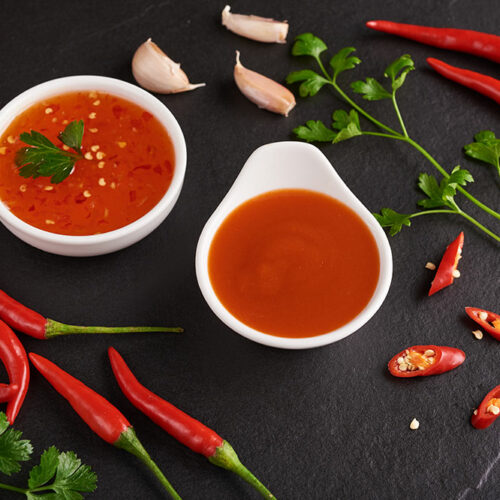
Nasal congestion, also known as a stuffy nose, is a health condition characterized by inflammation in the nose. It is a common complication of sinus infections, viruses like the common cold, and nasal polyps. Common symptoms include a runny nose, pain in the sinus, swollen nasal tissue, and mucus buildup. One can also alleviate the symptoms of this condition through certain nutritional changes. Check out eight foods that can relieve nasal congestion. Nasal polyps and congestion Nasal polyps are a condition characterized by the presence of a benign, painless growth in the lining of the nose and sinuses. They are pear-shaped when viewed under the microscope and usually develop as clusters on either or both sides of the nose. The symptoms are nasal congestion, runny nose, sinus pressure, or post-nasal drip. Often there are no symptoms besides the occasional discomfort. The condition is linked to chronic inflammation, as seen with rhinosinusitis. You can manage nasal polyps with prescription treatment, and surgery is only advised in severe cases. Spicy foods Spicy food items like peppers usually give you a runny nose while eating them. It is because capsaicin, a compound in the vegetable, irritates mucous membranes. The resultant burning sensation helps the sinuses drain.

Our
Blog.

11 useful tips for anxiety management

11 useful tips for anxiety management

Nearly 84% of participants in a particular mental health survey were said to have some form of anxiety. The severity of symptoms did vary from person to person, but the fact remains that we live in a world where almost everything is a potential trigger for anxiety. And living in denial about having a psychological trigger only worsens the problem. Luckily, it is possible to manage anxiety by following the suggestions recommended by experts. Identify the triggers Anxiety is mainly triggered due to an event or episode where one finds themselves in a difficult position. It could be something that puts a person out of their comfort zone. Doctors advise people to identify these triggers and avoid them. Any comment, action, or situation that did not work out in favor triggers anxiety. So, make a list of such events and instances and ignore them the next time something happens related to that event. At the same time, try to remain positive as it can help strengthen the mind to manage anxiety better. Keep busy Distraction is one of the simplest ways to prevent a panic or anxiety attack. You can perform simple chores or indulge in a favorite task to stay physically and mentally occupied for a few hours.
Read More
Factors to consider before buying a new mattress

Factors to consider before buying a new mattress

Picking out the perfect mattress is one of the most important home-makeover decisions you can make for a consistent good night’s sleep. With so many options available, from materials used and features offered to affordability and longevity, it may seem unnerving to navigate the market to find the right one for you. While buying a mattress is ultimately a matter of personal preference, here are some things to consider before choosing a new one: Type of mattress Memory foam and innerspring mattresses are the most popular choice among people. However, there are many other types of mattresses that you can opt for, depending on your requirements. Memory foam Memory foam mattresses offer the best pressure relief. They can conform to the body and take the weight off the pressure points for a comfortable night’s rest. These are ideal for side sleepers or those experiencing back pain because they promote proper spine alignment by reducing the pressure on the shoulders and hips. The only downside of conventional memory foam mattresses is that they can trap heat more easily and may be uncomfortable for hot sleepers. Latex Latex mattresses are more resilient than memory foam mattresses, which makes them firmer with less sinking in.
Read More