10 common mistakes to avoid while using ovens

10 common mistakes to avoid while using ovens
Baking is an art, and it involves the precise use of food ingredients, knowing the functions, and mastering the settings of the oven. Using the appliance correctly is a major factor that determines the texture, flavor, and overall quality of the final baked goods. However, some common mistakes can end up messing or spoiling the food and compromising the appliance’s longevity. Here are some of those mistakes and ways to avoid them. Overloading the oven An overcrowded oven won’t be able to cook the food properly or evenly. One may notice that the results are inconsistent or even undercooked. So, it’s best to ensure that the oven is not overloaded. One way to do this is to stick to the recommended capacity guidelines provided by the manufacturer. Placing oily food too close to heat Cooking oil tends to catch fire, resulting in fires and potentially hazardous situations. So, one should be careful not to place it too close to the heat. When it comes to an oven, avoid putting the food under the broiler. Foods with higher moisture content can be kept on lower oven racks when broiling. Not preheating the oven One should ensure that the proper temperature is set and the oven is preheated well before tossing in any food.


Multiple Myeloma – Symptoms, and Management Tips

Multiple Myeloma – Symptoms, and Management Tips
Multiple myeloma is a rare type of blood cancer that affects 1 out of 132 individuals. It is known to be more common in men than women, and the symptoms may be visible at a later stage, leading to late diagnosis and complex treatment. This cancer forms in a white blood cell called the plasma cell responsible for fighting off infections. Here are some details on the disease and ways to manage it with some food options. Symptoms – Common and uncommon The signs and symptoms of this disease do not show up in the early stage, or even when they do, they come as other health complications which take the focus off the cancer illness. Some signs and symptoms of this disease include: Anemia: A disease in which the production of blood cells in the bone marrow is affected, leading to a less than an efficient number of red blood cells. Bone pain: A dull bone pain is usually experienced in the ribs, back, or hips. It usually worsens with movement and remains persistent. This can also weaken the bones leading to fractures. The spine and the bones in the arms and legs are more likely to be affected by this condition.

Prostate Cancer – Symptoms and Management Options

Prostate Cancer – Symptoms and Management Options
Prostate cancer is the most common type of cancer that affects men. While there is no guaranteed way to prevent the disease, maintaining a healthy lifestyle can reduce the risk of developing it and aid in its management. Moreover, some foods have been found to contain nutrients that may help prevent or slow its progression. Here are common foods to eat and avoid to manage prostate cancer and early signs to watch out for. What is prostate cancer? Prostate cancer is a type of cancer that develops in the prostate gland, a small walnut-shaped gland in the male reproductive system that produces seminal fluid. Here, the cells in the prostate gland develop uncontrollably and form a tumor. It is slow-growing cancer and, in some cases, may not show any visible symptoms. However, if left untreated, it can spread to other body parts, including the bones and lymph nodes of other organs, and become life-threatening. Prostate cancer is typically diagnosed through physical exams, imaging tests, and blood tests; treatment options include surgery, radiation therapy, and chemotherapy. Symptoms of prostate cancer Here are some common symptoms of prostate cancer to look out for: Urinary changes Urinary changes are the most common symptom of prostate cancer.

13 metabolism-boosting vitamins

13 metabolism-boosting vitamins
Metabolism is an essential body process wherein food is broken down into various nutrients to release energy. This energy is further utilized to support other critical functions, such as blood circulation, digestion, and respiration. If the metabolism is faster, calories are burned more quickly, releasing energy faster. Thus, everything that one eats throughout the day affects their metabolism. Furthermore, certain vitamins for adults can boost metabolism. Here are a few of them: 1. Thiamine (B-1) B vitamins play a crucial role in the optimal functioning of the body’s metabolism. Thiamine, or vitamin B1, is necessary for the body’s cells to derive energy from carbohydrates. Thiamine is naturally present in several foods, including whole grains such as brown rice, salmon, black beans, and chicken. Additionally, certain foods, such as cereals and breads, are fortified with vitamin B1. 2. Riboflavin (B-2) Vitamin B2, or riboflavin, is a water-soluble vitamin. It easily dissolves in water and passes through the bloodstream. The body can store only a limited amount of B2 vitamin; therefore, it is recommended to consume foods that contain this vitamin daily. These foods include dairy products, eggs, artichokes, avocados, currants, wheat bran, and cayenne pepper. The vitamin B2 in these foods breaks down fats, proteins, and carbohydrates to maintain energy levels and boost metabolism.

9 easy and effective ways to cut back on sugar

9 easy and effective ways to cut back on sugar
Uncontrolled sugar intake can pose many risks to the human body’s healthy functioning in the long run. Due to busy schedules, many people opt for packaged foods as their food items, and not to mention desserts are always a source of joy. Therefore, avoiding sugar from one’s daily meal plan is hard. However, there are many ways in which a person can ensure that their daily sugar intake is under control. Going through product labels Earlier, food labels would indicate the number of carbohydrates, fats, proteins, sugars, and vitamins a particular food carries. However, recent amendments mandate brands to specify in such labels the amount of added sugar each packet contains. It gives a customer a clearer picture of where the sugar is coming from. Furthermore, it allows us to know whether or not the food we eat is naturally sweet or made so. The added sugar section of food labels helps us identify the actual quantity of sugar we are taking in and help us find alternatives that are healthier for our mind and body. Avoiding sugar in drinks Beverages are one of the most common sources of excessive sugar intake. It is postulated that a single can of soft drink packs about ten spoonfuls of sugar, which is higher than the recommended quantity permitted daily.

11 Signs of High Sugar Intake

11 Signs of High Sugar Intake
Foods like cookies, donuts, and ice cream have a lot of sugar. When eaten in moderation, they may serve as an energy source for the body. But overeating these foods may increase the risk of multiple health complications. Sadly, many don’t know how to determine if they’re going overboard with sugar. Keeping this in mind, we’ve listed 11 noticeable signs of excess sugar intake. Those experiencing these symptoms should work toward improving their lifestyle. Acne and wrinkles People who indulge in sugary treats too often should understand that this habit can worsen skin conditions like acne. Sweets have a high glycemic index that may lead to a spike in blood sugar. High blood sugar can, in turn, cause excess production of an oily substance called sebum on the skin. High sebum combined with inflammation may lead to acne. Research also shows that individuals who eat too much sugar may develop wrinkles faster. Trouble sleeping Someone who adds too much sugar to their meals may have trouble sleeping. They might not be able to fall or stay asleep and thus wake up grumpy in the morning. It happens because our sleep cycle is regulated by light, temperature, and glycemic index. Eating too many sugary foods also increases energy levels, which may cause the brain to stay in the rapid eye movement (REM) sleep phase for longer.

Our
Blog.

Managing kidney health – Best and worst foods

Managing kidney health – Best and worst foods

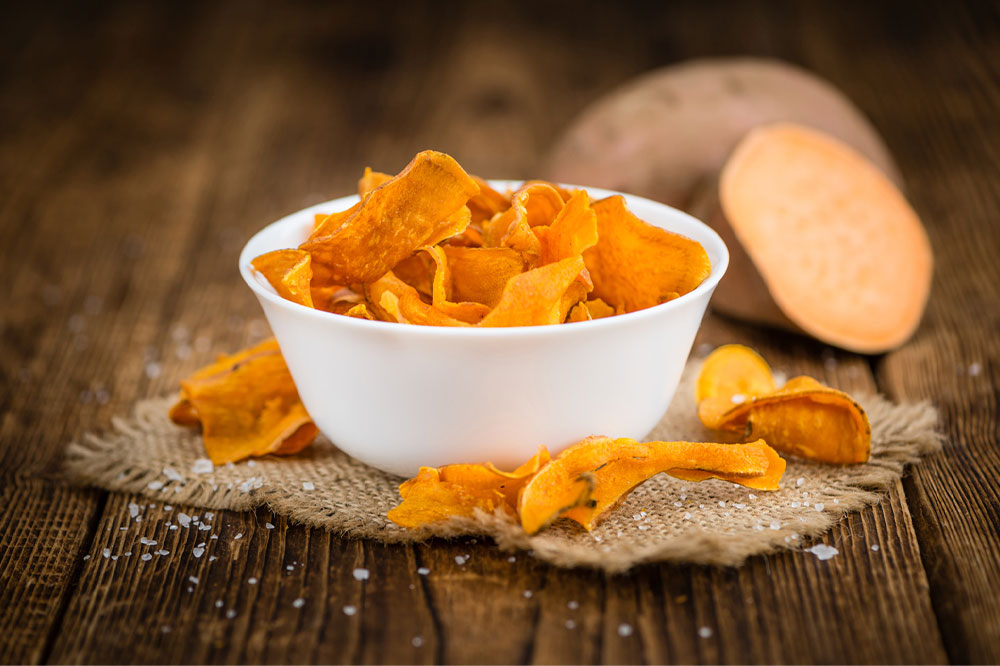
The kidneys are bean-shaped organs that are responsible for important bodily functions, like producing hormones, removing waste through urine, filtering blood, balancing minerals, and maintaining fluid balance. But, according to the American Kidney Fund, more than 1 in 7 adults in the country are affected by chronic kidney diseases. So, it is important to maintain kidney health by making better lifestyle choices and opting for foods that support kidney health. Food and kidney health The kidneys have multiple tiny blood vessels that help filter and eliminate excess water and waste from the body. If one is affected by chronic kidney diseases, the kidneys cannot filter blood, leading to the accumulation of waste in the body. Hypertension and diabetes are some of the leading causes of kidney disease. So, a healthy food plan can help prevent and manage these conditions by removing excess sodium, phosphorus, or potassium. Additionally, some foods should be limited or avoided to prevent further kidney damage. Best foods for kidney health Sweet potatoes: Sweet potatoes are similar to white potatoes but have excess fiber, which the body can take longer to break down, resulting in less of a spike in insulin levels in the body. Additionally, sweet potatoes contain various nutrients and minerals that may help balance the sodium and reduce its effect on the kidneys.
Read More
11 useful tips for anxiety management

11 useful tips for anxiety management

Nearly 84% of participants in a particular mental health survey were said to have some form of anxiety. The severity of symptoms did vary from person to person, but the fact remains that we live in a world where almost everything is a potential trigger for anxiety. And living in denial about having a psychological trigger only worsens the problem. Luckily, it is possible to manage anxiety by following the suggestions recommended by experts. Identify the triggers Anxiety is mainly triggered due to an event or episode where one finds themselves in a difficult position. It could be something that puts a person out of their comfort zone. Doctors advise people to identify these triggers and avoid them. Any comment, action, or situation that did not work out in favor triggers anxiety. So, make a list of such events and instances and ignore them the next time something happens related to that event. At the same time, try to remain positive as it can help strengthen the mind to manage anxiety better. Keep busy Distraction is one of the simplest ways to prevent a panic or anxiety attack. You can perform simple chores or indulge in a favorite task to stay physically and mentally occupied for a few hours.
Read More