11 unhealthy habits that damage the teeth

11 unhealthy habits that damage the teeth
Living in a fast-paced life keeps one busy all the time. But this also results in several people falling prey to a few unhealthy habits, sometimes without realizing it. Some of these poor practices may have detrimental effects on the body, including oral health. And the damage caused to them could result in infections and even searing pain. Therefore, here are 11 unhealthy habits to avoid to improve the health of your teeth. Using teeth as a tool The teeth are necessary to chew foods so they can be digested easily. However, people tend to open tins and bottles or cut price tags with their canines and molars. Doing so puts the teeth at risk of accidental cracking or jaw injuries. Therefore, one must avoid this and use official tools handy instead. These include using a can opener, bottle opener, and scissors. Biting nails Many individuals are habitual of biting their nails subconsciously, especially when they are nervous. But biting the nails could result in the chipping of teeth and also impact the jaw. Furthermore, since the fingernails touch various objects throughout the day, they collect dust and bacteria. Therefore, biting nails could expose the mouth to such bacteria and result in gum disease.

Must-have kitchen appliances and tips to buy them

Must-have kitchen appliances and tips to buy them
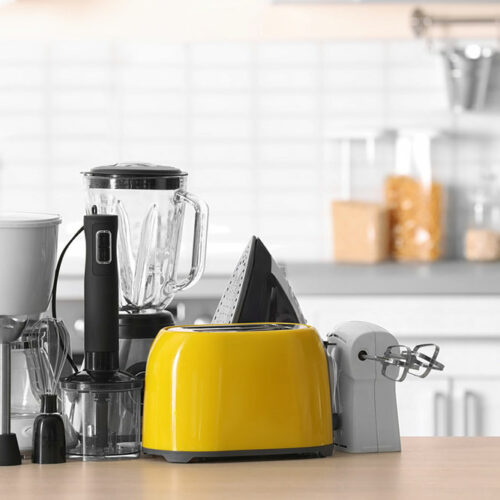
Processes like chopping, grilling, broiling, roasting, and sauteing are indispensable in the kitchen and can be extremely time-consuming, even for cooking aficionados. In today’s fast-paced world, kitchen appliances make these processes considerably easier, quicker, and fuss-free. The appliances also allow one to spend more time experimenting with their cooking style and recipes instead of performing repetitive tasks. So, here is a list of must-have kitchen appliances to make daily tasks easier: Types of kitchen appliances 1. Microwave A conventional microwave is a multipurpose appliance that can perform a host of tasks like reheating, grilling, baking, cooking, and roasting. Additionally, it can be used to disinfect kitchen items and de-crystallize kitchen ingredients like honey. A microwave saves a considerable amount of time on a daily basis and allows sufficient room for innovation in the kitchen. 2. Dishwasher While cooking may be a therapeutic process for many, the cleanup that follows does require considerable effort and time. A dishwasher makes this process a breeze by catering to a variety of dishwashing needs, from hard scrubbing frying pans and pots to gently cleaning glassware and crockery. Today, one can choose from multiple dishwasher sizes based on the average number of dishes to be washed and available space in the kitchen.

15 Outdoor Grilling Mistakes to Avoid This BBQ Season

15 Outdoor Grilling Mistakes to Avoid This BBQ Season
Summer is the typical time for relaxing picnics and barbecues. Many people take on outdoor cooking and grilling adventures during family and friendly gatherings. From Memorial Day to Labor Day, there are seemingly endless BBQ events serving up delicious foods such as steaks, burgers, shrimp, potatoes, onions, fish, pineapple, tofu, and more. If you are setting up an outdoor cooking station in your backyard, avoid making these 15 common outdoor cooking mistakes: Not testing your equipment beforehand Do a test run with your BBQ grill before you invite your friends and family over! This will allow you to test your equipment and even plan some fun yet easy grill recipes for later. If you plan on carrying your stove or grill for a camping adventure, you will also have a better chance of investing in new equipment and reducing the risk of mishaps. Not cleaning the grill Before using a grill, be sure to clean it. This is because leftover bits and pieces of charred foods can impact the flavor of your next meal. This residue can also be unhealthy to consume. Once you are done cooking and the grill has cooled, scrape off large pieces of residue with a spatula or a knife.

7 natural remedies to manage menopause

7 natural remedies to manage menopause
Menopause is a significant transition in an individual’s life, accompanied by a range of physical and emotional changes. It can be a challenging period, with several symptoms starting off at once. People going through this change in life should speak to their doctor about possible management options. This is also an opportunity for women to explore natural approaches to managing symptoms. By incorporating these easy remedies, one can empower themselves to navigate this change. 1. Increase protein intake During menopause, hormonal changes can affect muscle mass and metabolism. This can change the person’s body mass by decreasing muscle tone. Incorporating adequate protein into meals is crucial for supporting muscle health, metabolism, and overall well-being. People going through this transitional phase must incorporate protein-rich foods into their meals. It includes lean meats, poultry, fish, eggs, legumes, tofu, tempeh, and Greek yogurt. They provide essential amino acids for muscle repair, maintenance, and growth. Ensuring adequate protein intake can support optimal brain health and emotional well-being during this hormonal transition. 2. Eat calcium- and vitamin D-rich foods Bone health becomes increasingly important during menopause. With the individual’s estrogen levels declining, it is important to know the risk of bone loss. It can also accelerate the risk of osteoporosis and fractures.

5 strategies to enhance immunity against severe respiratory viruses

5 strategies to enhance immunity against severe respiratory viruses
In an age where severe respiratory viruses pose a constant threat, bolstering one’s immunity against these pathogens has never been more crucial. While the world is no stranger to outbreaks, recent events have highlighted the pressing need to fortify the body’s defenses against such diseases. This article explores five strategies that can help improve immunity against severe respiratory viruses. These approaches offer a comprehensive perspective on safeguarding respiratory health, from lifestyle adjustments to preventative measures. Nutritional support Proper nutrition plays an essential role in supporting the immune system and its ability to fend off severe respiratory viruses. A balanced meal plan rich in vitamins, minerals, probiotics, and antioxidants can enhance the body’s ability to defend against infections. Incorporating immune-boosting foods Intake of foods rich in vitamins and minerals is fundamental to strengthening immunity. Citrus fruits, such as oranges and lemons, are known for their high vitamin C content, which can help fight respiratory infections. Additionally, dark leafy greens, like spinach and kale, are packed with vitamins A and C, which improve the immune response. Focus on zinc-rich foods Zinc is another vital nutrient for immune function. Foods like nuts, seeds, and legumes are excellent sources of zinc. Incorporating these into one’s foods can help improve the body’s ability to combat respiratory viruses.

Chronic kidney disease management – Things to know

Chronic kidney disease management – Things to know
The kidneys in the human body filter all the blood in about 30 minutes to remove wastes, excess fluid, and toxins. The organ also helps control blood pressure, boost red blood cell production, and keep the bones healthy. But an individual may develop chronic kidney disease (chronic kidney failure) – the gradual loss of kidney function. It will hamper the overall functionality of the organ and lead to severe health complications. Symptoms The indicators of chronic kidney disease develop over time if the damage occurs gradually. Losing kidney function may result in an alarming build-up of fluid, body waste, or electrolytes. The signs and symptoms of the condition may also be caused by other health conditions, making kidney disease difficult to diagnose. Moreover, since kidneys cannot recover from lost function, the individual may not develop symptoms until the disease reaches advanced stages. Based on the severity of the disease, a person who suffers from loss of kidney function may experience vomiting, nausea, loss of appetite, chest pain (if there is fluid build-up around the lining of the heart), weakness, fatigue, excessive or poor urination, sleeping difficulties, muscle cramps, itchy or dry skin, hypertension (high blood pressure) that is difficult to manage, shortness of breath (if there is a build-up of fluids in the lungs), swollen feet or ankles, and declined mental sharpness.

Our
Blog.

11 useful tips for anxiety management

11 useful tips for anxiety management

Nearly 84% of participants in a particular mental health survey were said to have some form of anxiety. The severity of symptoms did vary from person to person, but the fact remains that we live in a world where almost everything is a potential trigger for anxiety. And living in denial about having a psychological trigger only worsens the problem. Luckily, it is possible to manage anxiety by following the suggestions recommended by experts. Identify the triggers Anxiety is mainly triggered due to an event or episode where one finds themselves in a difficult position. It could be something that puts a person out of their comfort zone. Doctors advise people to identify these triggers and avoid them. Any comment, action, or situation that did not work out in favor triggers anxiety. So, make a list of such events and instances and ignore them the next time something happens related to that event. At the same time, try to remain positive as it can help strengthen the mind to manage anxiety better. Keep busy Distraction is one of the simplest ways to prevent a panic or anxiety attack. You can perform simple chores or indulge in a favorite task to stay physically and mentally occupied for a few hours.
Read More
Factors to consider before buying a new mattress

Factors to consider before buying a new mattress

Picking out the perfect mattress is one of the most important home-makeover decisions you can make for a consistent good night’s sleep. With so many options available, from materials used and features offered to affordability and longevity, it may seem unnerving to navigate the market to find the right one for you. While buying a mattress is ultimately a matter of personal preference, here are some things to consider before choosing a new one: Type of mattress Memory foam and innerspring mattresses are the most popular choice among people. However, there are many other types of mattresses that you can opt for, depending on your requirements. Memory foam Memory foam mattresses offer the best pressure relief. They can conform to the body and take the weight off the pressure points for a comfortable night’s rest. These are ideal for side sleepers or those experiencing back pain because they promote proper spine alignment by reducing the pressure on the shoulders and hips. The only downside of conventional memory foam mattresses is that they can trap heat more easily and may be uncomfortable for hot sleepers. Latex Latex mattresses are more resilient than memory foam mattresses, which makes them firmer with less sinking in.
Read More