

Key Takeaways
Lower cardiovascular disease risk
Plant-heavy diets are associated with reduced LDL cholesterol, lower blood pressure, and decreased rates of heart attack and stroke across multiple large-scale studies.
Improved blood sugar regulation
Higher dietary fiber from whole plant foods slows glucose absorption, which is linked to lower type 2 diabetes incidence and better glycemic control in existing diabetes.
Higher intake of protective fiber and phytonutrients
Most Americans fall well short of recommended fiber intake; plant-based diets naturally close this gap while delivering antioxidants and anti-inflammatory compounds from a variety of plant sources.
Linked to lower body weight on average
Whole-food plant diets tend to be lower in caloric density, and their high fiber content supports feelings of fullness — factors that contribute to easier long-term weight management.
Associated with reduced risk of certain cancers
Particularly colorectal cancer, which research links to high red and processed meat consumption; plant fiber and phytonutrients are thought to contribute protective effects.
Vitamin B12 deficiency risk is serious
B12 occurs naturally only in animal foods; deficiency develops slowly and can cause nerve damage that may be irreversible if untreated. Supplementation or fortified foods are essential for those avoiding all animal products.
Iron absorption is less efficient from plants
Non-heme iron from plant foods is absorbed at a lower rate than heme iron from meat, and certain compounds in plants can further inhibit uptake — requiring deliberate food pairing and potentially supplementation.
Omega-3 fatty acid conversion is limited
Plant sources provide ALA, but the body converts only a small fraction to the EPA and DHA found in fish, which are important for brain and cardiovascular health.
Calcium and vitamin D need alternative sourcing
Dairy is a primary calcium and D source for many Americans; plant-based eaters must consistently rely on fortified foods, specific vegetables, and often supplementation to meet needs.
Processed plant foods can be nutritionally poor
Many packaged plant-based meat substitutes are high in sodium, saturated fat, and additives — making them a less healthy choice than whole-food plant proteins or even lean animal proteins.
Social and practical barriers in daily life
Eating out, attending social events, and shopping on a budget can all be more complicated when following a strict plant-based diet, which can undermine consistency over time.
Our Verdict
Plant-based eating has a strong evidence base for supporting long-term health, particularly cardiovascular and metabolic outcomes. The trade-offs are real but manageable with informed planning — they are not reasons to avoid the approach, but they are reasons to enter it with eyes open. A whole-food, varied plant-based diet is not a passive default; it requires attention to specific nutrients that animal products supply more readily.
Best suited to adults who are willing to learn basic nutrition principles, monitor a handful of key nutrients, and potentially work with a dietitian — especially those with existing health conditions, older adults, or people in special life stages such as pregnancy.
What 'Plant-Based' Actually Means
The term plant-based diet covers a wide spectrum. At one end sits strict veganism — no animal products at all. At the other, a flexitarian approach simply emphasizes plants while allowing occasional meat, dairy, or eggs. In between are vegetarians who eat dairy and eggs, pescatarians who include fish, and countless personal variations.
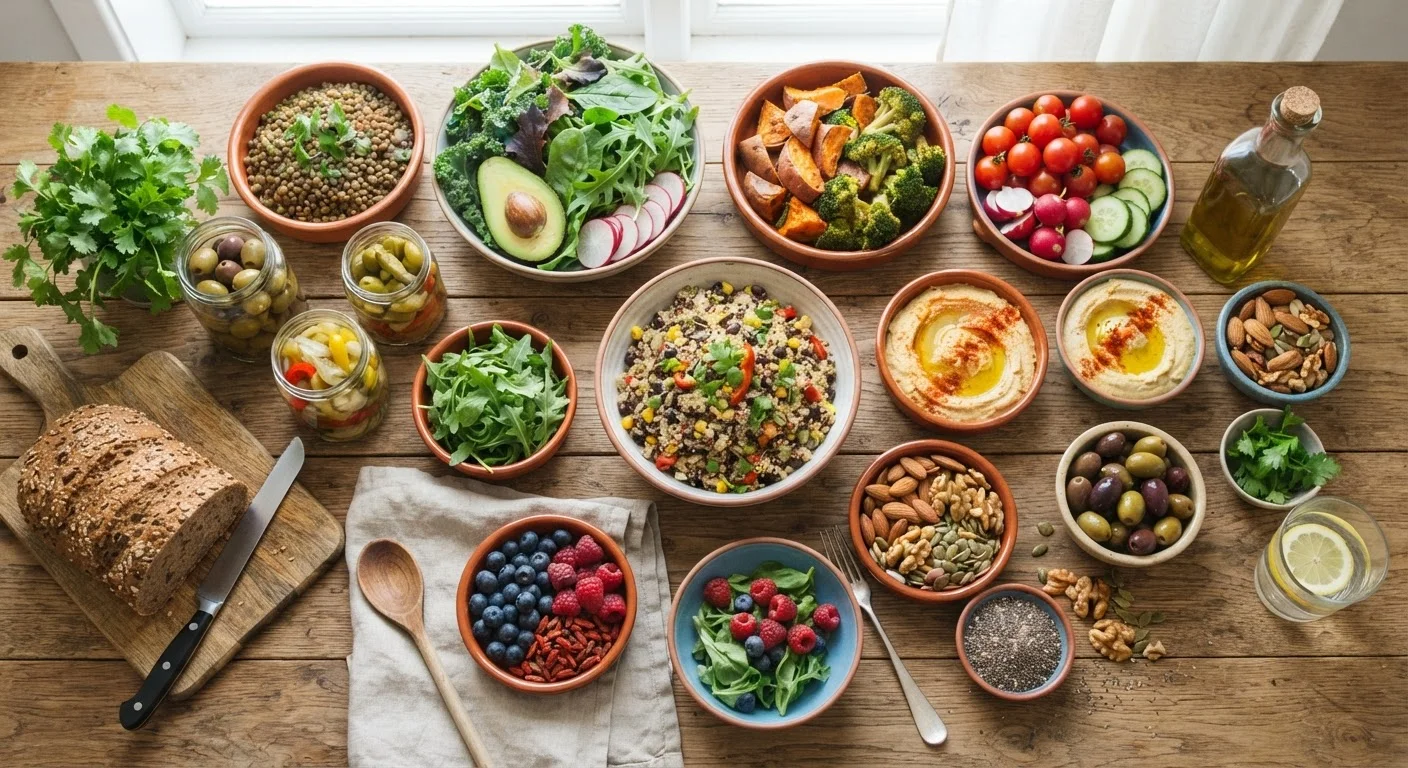
What these patterns share is a shift in proportions: more vegetables, fruits, legumes, whole grains, nuts, and seeds; less (or no) red meat, poultry, seafood, eggs, and dairy. That shared emphasis is what most of the research measures, and it matters for interpreting the evidence. See what the research consistently supports in broader eating patterns to understand why pattern matters more than any single food swap.
It's also worth noting upfront: not all plant-based eating is equally nutritious. A diet of white bread, French fries, and soda is technically plant-based. The quality of the plants — and the planning behind them — determines the actual health value.
The Well-Documented Benefits
Lower cardiovascular disease risk
Plant-heavy diets are associated with reduced LDL cholesterol, lower blood pressure, and decreased rates of heart attack and stroke across multiple large-scale studies.
Improved blood sugar regulation
Higher dietary fiber from whole plant foods slows glucose absorption, which is linked to lower type 2 diabetes incidence and better glycemic control in existing diabetes.
Higher intake of protective fiber and phytonutrients
Most Americans fall well short of recommended fiber intake; plant-based diets naturally close this gap while delivering antioxidants and anti-inflammatory compounds from a variety of plant sources.
Linked to lower body weight on average
Whole-food plant diets tend to be lower in caloric density, and their high fiber content supports feelings of fullness — factors that contribute to easier long-term weight management.
Associated with reduced risk of certain cancers
Particularly colorectal cancer, which research links to high red and processed meat consumption; plant fiber and phytonutrients are thought to contribute protective effects.
The strongest evidence links plant-heavy diets to cardiovascular health. Large observational studies consistently show lower rates of heart disease, hypertension, and stroke among people who eat more plants and less processed or red meat. Researchers point to several contributing factors: higher fiber intake, lower saturated fat consumption, and greater amounts of potassium, magnesium, and plant compounds called phytonutrients.
Type 2 diabetes risk also appears lower in people following plant-based patterns, likely due to better blood sugar regulation supported by dietary fiber and a generally lower caloric density. Whole grains versus refined grains play a meaningful role here — the type of carbohydrate matters, not just the quantity.
Weight management tends to be easier on whole-food plant diets, not because plants are magic, but because high-fiber foods promote satiety. Environmental sustainability is a frequently cited additional benefit, though it falls outside the nutritional scope of this article.
The Nutritional Gaps to Plan Around
Vitamin B12 deficiency risk is serious
B12 occurs naturally only in animal foods; deficiency develops slowly and can cause nerve damage that may be irreversible if untreated. Supplementation or fortified foods are essential for those avoiding all animal products.
Iron absorption is less efficient from plants
Non-heme iron from plant foods is absorbed at a lower rate than heme iron from meat, and certain compounds in plants can further inhibit uptake — requiring deliberate food pairing and potentially supplementation.
Omega-3 fatty acid conversion is limited
Plant sources provide ALA, but the body converts only a small fraction to the EPA and DHA found in fish, which are important for brain and cardiovascular health.
Calcium and vitamin D need alternative sourcing
Dairy is a primary calcium and D source for many Americans; plant-based eaters must consistently rely on fortified foods, specific vegetables, and often supplementation to meet needs.
Processed plant foods can be nutritionally poor
Many packaged plant-based meat substitutes are high in sodium, saturated fat, and additives — making them a less healthy choice than whole-food plant proteins or even lean animal proteins.
Social and practical barriers in daily life
Eating out, attending social events, and shopping on a budget can all be more complicated when following a strict plant-based diet, which can undermine consistency over time.
~90%
Americans falling short on dietary fiber
The Dietary Guidelines for Americans identify fiber as a nutrient of public health concern, with most adults consuming well below the recommended daily amount.
3–5%
ALA converted to EPA/DHA in the body
Research estimates suggest conversion of plant-sourced alpha-linolenic acid to long-chain omega-3s is limited, varying by individual factors including overall diet composition.
The nutrient gaps in plant-based diets are predictable and, for most people, addressable — but they don't manage themselves. Common meal planning blind spots become more consequential when you eliminate entire food categories, so proactive attention is essential.
Vitamin B12 is the most critical: it exists in meaningful amounts only in animal foods, and deficiency can cause irreversible neurological damage over time. Anyone avoiding all animal products needs a reliable supplement or fortified foods. This is non-negotiable, not optional.
Iron and zinc from plants (non-heme iron) are absorbed less efficiently than from meat. Pairing iron-rich plants like lentils or spinach with vitamin C helps absorption. Calcium and vitamin D — concentrated in dairy — require deliberate sourcing through fortified plant milks, tofu made with calcium sulfate, or supplementation. Omega-3 fatty acids (EPA and DHA) are found mainly in fatty fish; plant sources like flaxseed and walnuts supply ALA, a precursor that converts to EPA and DHA inefficiently in the body. An algae-based omega-3 supplement is a practical option many plant-based eaters use.
Protein: Genuinely Sufficient, But Not Automatic
One of the most persistent misconceptions about plant-based eating is that protein adequacy is impossible. It isn't — but it does take more intentionality than simply removing meat from a plate.
Legumes (lentils, chickpeas, black beans), soy foods (tofu, tempeh, edamame), seitan, and combinations like rice and beans can collectively deliver sufficient protein for most adults. Soy protein in particular is considered a complete protein, meaning it contains all essential amino acids in useful proportions. Eating varied plant proteins across the day generally covers amino acid needs without requiring precise meal-by-meal calculation.
Older adults deserve a specific note: protein needs tend to increase with age to preserve muscle mass, and absorption efficiency can decline. How dietary needs shift across decades is a useful reference for anyone over 50 reconsidering their eating pattern.
This article is for general informational purposes only and does not constitute medical or nutritional advice. Speak with a qualified healthcare provider or registered dietitian before making significant dietary changes, particularly if you have an existing health condition or are in a special life stage such as pregnancy.