

Key Takeaways
Small Delays, Big Bills
Routine maintenance feels easy to postpone. The car is still running, the warning light just clicked on, and the shop visit can wait until next week - then next month. This is how the neglect cycle starts, and it rarely ends cheaply.
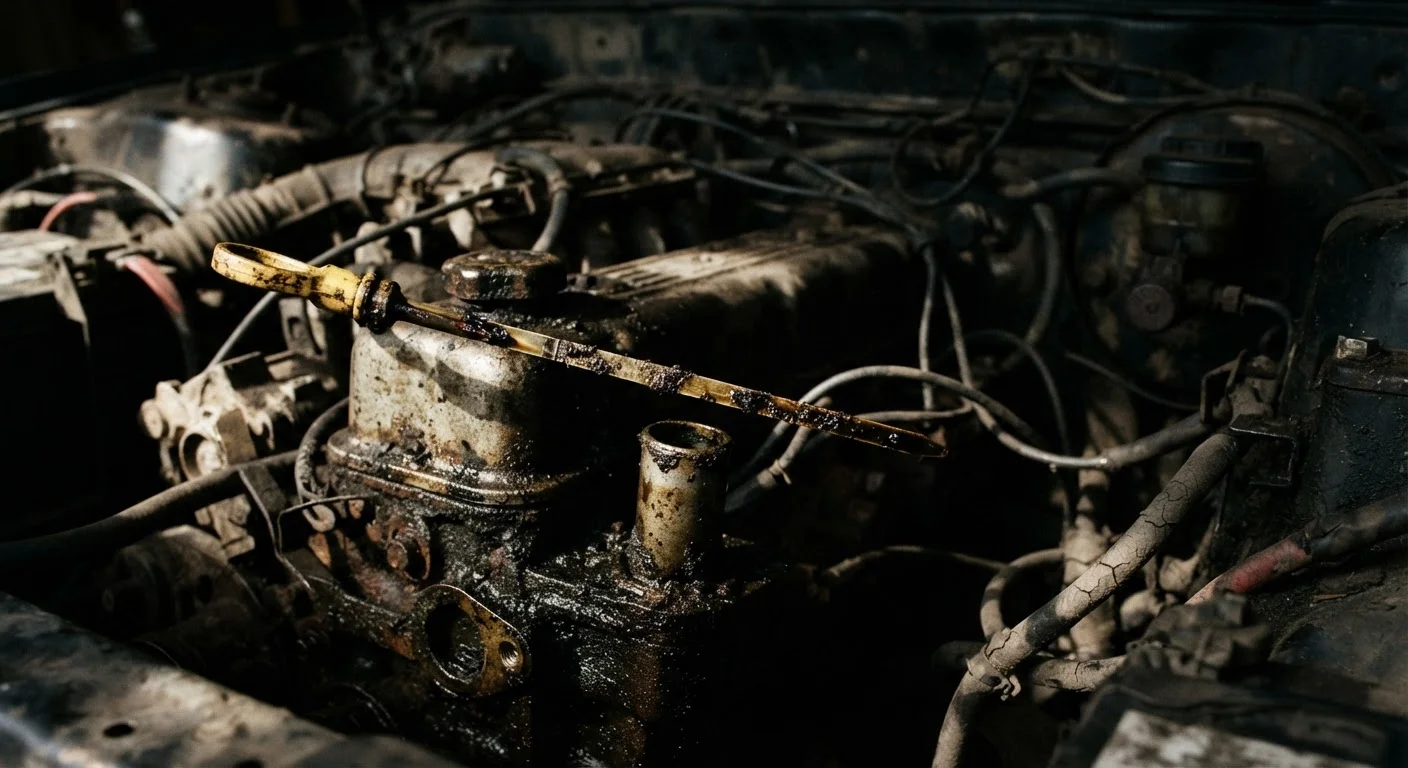
The pattern is predictable: a $60 oil change gets skipped, engine sludge builds up, and a repair that now involves flushing or replacing engine components can run into the hundreds or thousands. The same math applies across nearly every maintenance item on your car. Understanding why these costs escalate - and where drivers most commonly go wrong - is the first step toward breaking that cycle.
For a broader look at how deferred maintenance compounds across time, it's worth noting this pattern isn't unique to vehicles. The same principle applies at home, where small ignored issues grow into expensive structural problems.
Skipping oil changes because the car still seems to run fine.
Why it happens: Oil degradation is invisible to drivers, and modern cars rarely show symptoms until damage is already done.
Ignoring dashboard warning lights until something breaks.
Why it happens: Warning lights can stay on for weeks without obvious consequences, making it easy to assume they aren't urgent.
Putting off tire rotations and pressure checks.
Why it happens: Tires wear gradually and unevenly, so drivers often don't notice until a tire fails or handling suffers noticeably.
Delaying brake inspections because the brakes still feel adequate.
Why it happens: Brake wear is gradual, and most drivers don't have a baseline for what good braking feels like versus worn braking.
Skipping coolant and transmission fluid changes on the assumption they last forever.
Why it happens: These fluids don't visibly degrade the way oil does, so drivers assume they're fine indefinitely.
What Maintenance Actually Means for Your Wallet
Every car has a maintenance schedule built into its owner's manual. That schedule exists because engineers know exactly how long fluids, filters, belts, and brakes last under normal driving conditions. Ignoring it doesn't mean nothing is happening - it means wear is accumulating without correction.
~$500-$3,000+
Typical engine repair cost from oil neglect
Industry repair data consistently shows that sludge buildup from missed oil changes is among the most preventable causes of major engine damage.
1 in 3
Drivers with tires below recommended pressure
The U.S. Department of Transportation has estimated that a significant share of vehicles on the road have at least one underinflated tire at any given time.
A common misconception is that maintenance is optional if the car seems fine. In reality, many failures - coolant leaks, worn timing belts, failing transmission fluid - show no obvious symptoms until the damage is done. Mechanics consistently report that the costliest repairs they see were entirely preventable with routine upkeep.
If you're uncertain what your car genuinely needs versus what's marketing noise, common maintenance myths cost drivers real money - separating fact from fiction can help you spend smarter, not more.
Drivers planning to hold onto their vehicles for the long haul face particular stakes here. Keeping a car long-term vs. replacing it is partly a maintenance question - a well-kept older car can be more economical than a replacement, but only if upkeep doesn't get deferred. And once the odometer climbs, maintenance needs on high-mileage cars shift in ways that make consistency even more important.
Don't Rely on Warning Lights Alone
Warning lights are a last resort, not an early warning system. By the time many sensors trigger a dashboard alert, wear or damage has already begun. Sticking to scheduled maintenance intervals is the only reliable way to stay ahead of problems your car won't tell you about on its own.
The bottom line for any driver: routine maintenance isn't an expense to avoid - it's the cost of not paying far more later. Your owner's manual, a trusted mechanic, and a simple reminder system are all you need to stay ahead of it. For more foundational guidance, car ownership basics covers the essential knowledge every driver should have.