12 practical remedies to manage dermatitis itching
12 practical remedies to manage dermatitis itching
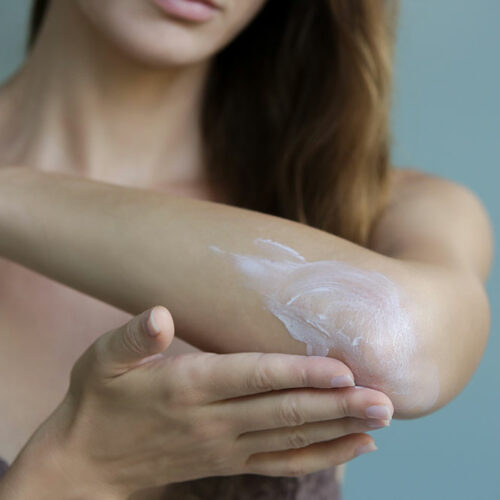
Itching can be a very uncomfortable experience. Itchy skin often results from dermatitis, an inflammation of the skin that causes redness, irritation, and itching. Itchy skin that is severe or stays more than six weeks can affect the quality of your life. There are many ways to manage the itching caused by dermatitis, but some options work better, depending on an individual’s condition. Some of the remedies that help relieve itching are listed below. Itching creams and powders One can use creams and powders to relieve the itching. Use them regularly, but ensure to apply only a little portion on the skin. If someone has an intolerance or allergy to any ingredients in a particular product, consult a doctor before using such creams or powders. Natural oils Natural oils like coconut oil, primrose oil, and sunflower seed oil are helpful due to their antimicrobial properties. However, wash with a gentle cleanser and apply your moisturizer to finish the process. Apply the natural oil to your skin, and let it absorb for about 30 minutes before washing it off. One can also use a serum or moisturizer with coconut oil as the main ingredient. It is often suggested to treat acne and other skin problems.

12 helpful tips to manage eczema

12 helpful tips to manage eczema
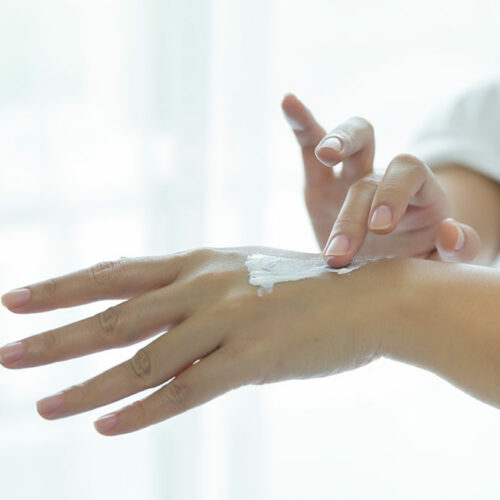
Eczema is a skin disease that affects 31.6 million people in the country as of 2022. It is a chronic condition that is more likely in children but can extend to adulthood. Typically the symptoms recede for some time and then appear in periods of flare-ups when there is contact with an allergen or trigger. However, living with eczema can be stressful, and it helps to know some home remedies that might offer immediate relief. Everything to know about eczema This condition is characterized by symptoms of dry and itchy skin. Rashes and bumps on the skin are also common, and patches of the skin are likely to become thick, leathery, flaky, or crusty. Swelling is typical during flare-ups. In most cases, patches are red, but they can also be gray, purple, or brown in darker skin tones. The most common places where eczema patches appear are the hands, elbows, feet, ankles, knees, neck, face, and around the ears. The origin of eczema is usually a combination of causal factors. A family history of eczema and dermatitis increase the likelihood of developing this skin disease. If one lives in an environment with several allergens, like pollutants, smoke, or low humidity, and one’s daily routine includes chemicals in soaps, detergents, and skin care products, the chances of suffering from eczema also increase.

Do Not Ignore These 7 Headache Symptoms

Do Not Ignore These 7 Headache Symptoms
Headaches can be difficult to categorize because their symptoms and level of pain can differ from one person to the next. An individual may experience painful symptoms of migraines (a type of headache), while others may find their condition moderate. Sometimes people may develop constant headaches even if they have never experienced the sensation before. In this situation, individuals should visit a healthcare expert to check if the signs are indicators of other complications. Headache with sudden fever While the symptoms of headaches, including migraines, are treatable with prescriptions or adequate rest, one may require a professional diagnosis if one runs a fever simultaneously. A few with a headache usually indicates that the patient has a sinus infection. It could also mean that the individual is at risk of a more severe condition like meningitis (stiffness of the neck) or encephalitis (an infection of the brain), which may cause confusion and difficulty with speech. These conditions can turn severe if left untreated. Moreover, older individuals have weaker immune systems and are at a greater risk of developing these infections. A “thunderclap” onset A “thunderclap” onset refers to a headache that develops suddenly. Individuals susceptible to this phenomenon usually describe it as one of the worst pains they have experienced.

12 Must-know Early Signs of Lupus

12 Must-know Early Signs of Lupus
Lupus is a long-term autoimmune condition where the body’s immune system mistakenly attacks tissues and organs, causing inflammation. It can affect any organ or tissue, including the joints, skin, brain, kidneys, lungs, heart, or blood cells. Depending on the severity, patients may suffer minor or life-threatening complications like organ damage. Lupus often shares its signs and symptoms with other illnesses, making it hard to detect. Those who experience the following discomforts should visit a doctor. Skin or facial rash Many lupus patients develop a face rash that spreads over both cheeks like a butterfly’s wings. The rash could develop before a flare-up or following sun exposure. One may also experience rashes on the bridge of their nose or other body parts. Fatigue Those with this condition often feel worn out or tired without any reason. Some recover energy by taking an afternoon nap, but sleeping during the day may cause insomnia. The best way to maintain energy levels is to build a healthy routine, take shorter naps, and remain moderately active throughout the day. If one experiences chronic fatigue without lifestyle changes, it is best to consult a doctor. Sudden fever Frequent and sudden low-grade fever, which may also be brought on by infection or inflammation, is an early sign of lupus.

Overactive Bladder – Management Options, Prevention, and Causes

Overactive Bladder – Management Options, Prevention, and Causes
An overactive bladder (OAB) results in frequent, unexpected urges to urinate. When one is dealing with an overactive bladder, they can experience frequent urges during the day and at night, along with incontinence. However, simple changes, such as better food choices, timed voiding, and bladder-holding techniques utilizing the pelvic floor muscles, can help one manage the symptoms of an overactive bladder. Here are a few things one should know when affected by OAB: Signs One may experience the following symptoms: Sudden and frequent urge to urinate Accidental urination right after experiencing an urge to urinate (urgency incontinence) Frequent urination, typically two or more times every few hours Need to go to the washroom more than two times every night (nocturia) Even if one can urinate normally when dealing with an overactive bladder, symptoms like unexpected frequent urination and nighttime urination can disrupt daily routine and cause discomfort. Doctors may refer the patient to a urologist, who focuses on illnesses and conditions of the reproductive system and urinary tract. One should consult a doctor as soon as they notice any of the signs. Overactive bladder is common in older adults, but some women can develop the issue at about 45. Ways to manage an overactive bladder People with overactive bladder may respond to a variety of therapies.

Effective ways to relieve constipation

Effective ways to relieve constipation
Almost every individual has experienced constipation from time to time. It is the most common gastrointestinal complaint. Constipation is simply regarded as uncomfortable or infrequent bowel movements. Most individuals will feel shy or awkward about seeking medical help for these problems. In such circumstances, following certain remedies will prompt quick relief from constipation. Keep reading to know more about effective remedies or ways to relieve constipation at home. Constipation – An overview Constipation is a chronic indigestion issue characterized by infrequent bowel movements, passing dry, hard stools, or difficulty passing stools. It may leave the affected person feeling uncomfortable and bloated. A lack of fiber content in one’s meal plan, inactivity, certain prescription treatment, and underlying medical conditions are some factors that induce constipation. The food one consumes during normal digestion moves through the digestive tract. It breaks down in the stomach before reaching the intestines to absorb nutrients and remove waste. When the broken food particles move to the intestine, the colon absorbs water, making it easy to excrete feces. The contractions in muscles push the feces to the rectum. Constipation occurs when the contractions in the muscles are too weak or slow. As a result, the colon absorbs excess water, resulting in stiff and dry stools that are difficult to pass.

Our
Blog.

Managing kidney health – Best and worst foods

Managing kidney health – Best and worst foods

The kidneys are bean-shaped organs that are responsible for important bodily functions, like producing hormones, removing waste through urine, filtering blood, balancing minerals, and maintaining fluid balance. But, according to the American Kidney Fund, more than 1 in 7 adults in the country are affected by chronic kidney diseases. So, it is important to maintain kidney health by making better lifestyle choices and opting for foods that support kidney health. Food and kidney health The kidneys have multiple tiny blood vessels that help filter and eliminate excess water and waste from the body. If one is affected by chronic kidney diseases, the kidneys cannot filter blood, leading to the accumulation of waste in the body. Hypertension and diabetes are some of the leading causes of kidney disease. So, a healthy food plan can help prevent and manage these conditions by removing excess sodium, phosphorus, or potassium. Additionally, some foods should be limited or avoided to prevent further kidney damage. Best foods for kidney health Sweet potatoes: Sweet potatoes are similar to white potatoes but have excess fiber, which the body can take longer to break down, resulting in less of a spike in insulin levels in the body. Additionally, sweet potatoes contain various nutrients and minerals that may help balance the sodium and reduce its effect on the kidneys.
Read More
11 useful tips for anxiety management

11 useful tips for anxiety management

Nearly 84% of participants in a particular mental health survey were said to have some form of anxiety. The severity of symptoms did vary from person to person, but the fact remains that we live in a world where almost everything is a potential trigger for anxiety. And living in denial about having a psychological trigger only worsens the problem. Luckily, it is possible to manage anxiety by following the suggestions recommended by experts. Identify the triggers Anxiety is mainly triggered due to an event or episode where one finds themselves in a difficult position. It could be something that puts a person out of their comfort zone. Doctors advise people to identify these triggers and avoid them. Any comment, action, or situation that did not work out in favor triggers anxiety. So, make a list of such events and instances and ignore them the next time something happens related to that event. At the same time, try to remain positive as it can help strengthen the mind to manage anxiety better. Keep busy Distraction is one of the simplest ways to prevent a panic or anxiety attack. You can perform simple chores or indulge in a favorite task to stay physically and mentally occupied for a few hours.
Read More