9 Things to Avoid for Healthy Skin

9 Things to Avoid for Healthy Skin
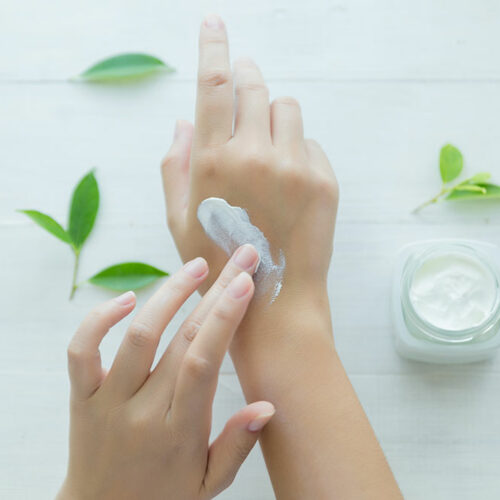
Healthy skin is rarely a result of frequent salon visits or pricey skin treatments. To keep one’s skin healthy, one needs to consistently have good hygiene practices, good food habits, a proper sleep schedule, and a healthy gut and stomach. A few things can negatively affect one’s efforts to get healthy skin. In severe cases, the following factors may also result in breakouts, signs of premature aging, or a common skin condition called eczema. Things to avoid Exposure to UV radiation Exposing bare skin to harsh sunlight or UV rays for a prolonged time may damage the skin tissues. It can also irritate the skin, cause sunburn and pigmentation, trigger premature aging, or even lead to skin cancer. Wearing sunglasses, caps, and sunscreen is the best way to avoid UV exposure. A tinted moisturizer sunscreen for the face not only protects the skin but also hydrates it and provides a thin layer of foundation. Moisturizer sunscreen works well for dry and sensitive skin. Alternatively, people with oily skin can opt for sunscreen with a lightweight formula. Unhealthy eating habits Gut health and skin health are closely related. Processed and refined foods can lead to toxins getting accumulated in the colon.


12 breakfast ideas for managing arthritis and joint discomfort

12 breakfast ideas for managing arthritis and joint discomfort
Arthritis and joint pain can interfere with daily life, making the simplest of tasks challenging. While treatment is crucial, complementing it with a joint-friendly breakfast routine can help alleviate discomfort and improve mobility. Nutrient-rich foods added to delicious recipes can support joint health to make carrying out everyday tasks easier. This article explores 12 flavorful and wholesome breakfast options that can make a significant difference in managing arthritis and joint pain. Oatmeal Oatmeal has long been hailed as a nutritional powerhouse, and it is an excellent choice for those dealing with joint pain. This comforting breakfast option is rich in soluble fiber, which helps lower inflammation—a major contributor to arthritis discomfort. Additionally, oatmeal contains beta-glucans, compounds known for their immune-boosting properties. To make it even more joint-friendly, one can top the oatmeal with antioxidant-rich fruits like berries and a sprinkle of cinnamon for added flavor and anti-inflammatory benefits. Greek yogurt Greek yogurt, with its creamy texture and protein punch, is a great addition to any morning routine. The high protein food helps maintain muscle mass, which is crucial for supporting joints. Plus, it is packed with calcium, essential for strong bones and cartilage. One should opt for plain Greek yogurt and add fresh fruits like bananas and kiwis.

8 unhealthy habits that can make mattresses dirty

8 unhealthy habits that can make mattresses dirty
People spend more than a third of their day in bed resting and sleeping. Some may also spend more hours if they bring on a TV show or scroll through social media. While everyone’s routines in bed might differ, one thing remains constant – the amount of dirt accumulating on the mattress. Apart from trying different ways to clean the bedroom essentials, one should avoid these eight unhealthy habits that might make the mattress dirty. Not washing the sheets Most people do not wash the sheets on the mattress regularly, a common unhealthy habit. The bed essentials have a lot of dry skin cell deposits on them, which may become a central hub for fungi, bacteria, and dust mites to thrive. So, it is important to wash the sheets at least once a week. One should also use removable, washable covers that are easy to clean, replace, and reuse. Placing bags on the bed It is common for one to dump their backpack or luggage onto the bed after returning from a long day at work or following vacation. But one must remember that the bag may have touched several surfaces outdoors, which might attract bacteria and viruses. When one places bags on the bed, the germs may transfer to the mattress and spread, making one ill.

Thyroid eye disease – Symptoms, causes, and management

Thyroid eye disease – Symptoms, causes, and management
Thyroid eye disease, also popularly known as Grave’s disease, is an autoimmune condition in which specific eye muscles and tissues become inflamed. An autoimmune response causes inflammation, as the body attacks its own tissues when it perceives a threat. Grave’s or thyroid eye disease is categorized by swelling around the eyelids, bulged eyes, blurry vision, and vision impairment of varying degrees if not managed on time. Here are a few things to know about this condition: Symptoms There are a few common signs that help professionals diagnose thyroid eye disease. These are as follows: Changes in the eyes The condition is characterized by the swelling of the tissues and muscles in and around the eyes. As a result, patients may experience swelling around the eyelids, bloodshot eyes, and undereye bags. Additionally, all these symptoms make the eyes appear disproportionately huge and bulgy. The pupils also appear smaller in comparison to the rest of the eyes. Low tolerance of bright lights The inflammation and swelling of one’s eye muscles also cause muscle weakness. As a result, all the various parts of a person’s eyes, such as the cornea and iris, become more strained when an individual with this condition stares at bright lights.

6 simple tips to manage eczema

6 simple tips to manage eczema
Eczema is a skin disease characterized by red, dry, and itchy skin patches. It is a form of dermatitis that interferes with the skin’s ability to retain moisture and protect itself from harmful environmental elements. Individuals who suffer from the disorder experience symptoms when exposed to specific triggers. Thankfully, one can manage the discomforts effectively with treatment and lifestyle changes. This post takes a closer look at eczema and its management options. What exactly is eczema? As mentioned, eczema is a type of dermatitis. Dermatitis is the name given to conditions that involve inflammation of the skin. Broadly the types of dermatitis include atopic dermatitis (eczema), contact dermatitis, dyshidrotic eczema, neurodermatitis, nummular eczema, and seborrheic dermatitis. All of these result in skin inflammation caused by type-specific triggers. And there is always an impairment of the skin’s barrier function. Sadly, it is possible to suffer from more than one type of dermatitis at a time. In eczema, allergens trigger itchy, dry, and inflamed patches on the skin. It is more common in children but can begin at any age. And the condition is chronic, meaning it is long-lasting but tends to flare up and recede. It is an irritating ailment but not contagious.

9 Things to Avoid Doing on a Cruise

9 Things to Avoid Doing on a Cruise
Are you planning to go on a cruise? If yes, then you’re in for a treat. A cruise is a wonderful experience where you can participate in multiple activities. You can also enjoy the nightlife aboard the ship, make acquaintances, and enjoy a scrumptious buffet throughout the day. But going on a cruise requires you to be on your best behavior. This means there are certain things that you should completely avoid when onboard. Walking into restricted zones Multiple cruise areas are marked as off-limits, dangerous, or for staff only. These places may contain equipment that only the staff can handle. Restricted zones also have elements vital to ensure the ship stays functional and safe. So, if you are tempted to look inside, it is unadvisable as doing so may land you in trouble with the ship’s staff and may make you face legal consequences. If you ever want to enter these locations, it is imperative to get prior approval. Cutting in queue It doesn’t matter if an individual is embarking on the ship or preparing to eat a meal; cutting in a queue is considered rude. Cutting the line may also lead to arguments that may affect other passengers.

Our
Blog.

Managing kidney health – Best and worst foods

Managing kidney health – Best and worst foods

The kidneys are bean-shaped organs that are responsible for important bodily functions, like producing hormones, removing waste through urine, filtering blood, balancing minerals, and maintaining fluid balance. But, according to the American Kidney Fund, more than 1 in 7 adults in the country are affected by chronic kidney diseases. So, it is important to maintain kidney health by making better lifestyle choices and opting for foods that support kidney health. Food and kidney health The kidneys have multiple tiny blood vessels that help filter and eliminate excess water and waste from the body. If one is affected by chronic kidney diseases, the kidneys cannot filter blood, leading to the accumulation of waste in the body. Hypertension and diabetes are some of the leading causes of kidney disease. So, a healthy food plan can help prevent and manage these conditions by removing excess sodium, phosphorus, or potassium. Additionally, some foods should be limited or avoided to prevent further kidney damage. Best foods for kidney health Sweet potatoes: Sweet potatoes are similar to white potatoes but have excess fiber, which the body can take longer to break down, resulting in less of a spike in insulin levels in the body. Additionally, sweet potatoes contain various nutrients and minerals that may help balance the sodium and reduce its effect on the kidneys.
Read More
11 useful tips for anxiety management

11 useful tips for anxiety management

Nearly 84% of participants in a particular mental health survey were said to have some form of anxiety. The severity of symptoms did vary from person to person, but the fact remains that we live in a world where almost everything is a potential trigger for anxiety. And living in denial about having a psychological trigger only worsens the problem. Luckily, it is possible to manage anxiety by following the suggestions recommended by experts. Identify the triggers Anxiety is mainly triggered due to an event or episode where one finds themselves in a difficult position. It could be something that puts a person out of their comfort zone. Doctors advise people to identify these triggers and avoid them. Any comment, action, or situation that did not work out in favor triggers anxiety. So, make a list of such events and instances and ignore them the next time something happens related to that event. At the same time, try to remain positive as it can help strengthen the mind to manage anxiety better. Keep busy Distraction is one of the simplest ways to prevent a panic or anxiety attack. You can perform simple chores or indulge in a favorite task to stay physically and mentally occupied for a few hours.
Read More