6 Best Times of the Day to Drink Water
6 Best Times of the Day to Drink Water
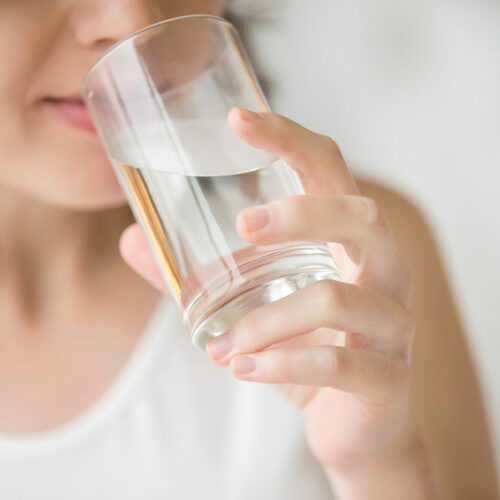
Research suggests that around 60% of the adult male body and 55% of the adult female body is made up of water. These figures indicate that water is an inextricable part of our internal system. As a result, experts recommend that men and women drink around 3.7 and 2.7 liters of fluids every day. However, drinking water during specific times of the day can facilitate much better immunity and overall well-being. Immediately after waking up The best time to drink water is immediately after getting out of bed in the morning. Research suggests that the body typically gets dehydrated after several hours of zero water intake. Thus, two cups of water first thing in the morning can help restore the body’s equilibrium. While other beverages like tea, coffee, and juice can also help with hydration, these are not substitutes for water and should be considered only after the preliminary water intake. Before and after meals Drinking a glass of water about half an hour before a meal can help break down food better and, therefore, aid digestion. It can also regulate hunger, preventing overeating. Similarly, drinking water after meals can help absorb nutrients from food better and soften the stools, preventing constipation and providing a much-needed boost for digestion.
14 Home Remedies for Cold, Flu, and Nasal Congestion

14 Home Remedies for Cold, Flu, and Nasal Congestion
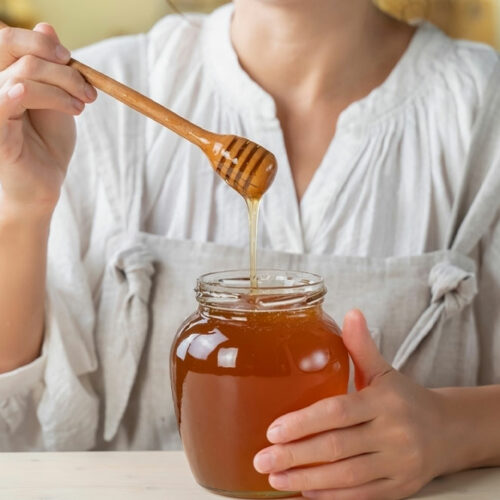
Viruses are generally responsible for colds and flu. Taking the recommended medications as directed by a doctor, and strengthening one’s immune system with the proper nutrition is crucial to treat the flu. Runny nose, congested sinuses, sore throat, coughing, headaches, body pains, fevers, and chills are common flu symptoms. While contracting a virus may be inevitable, there are numerous at-home treatments for colds, the flu, and stuffy noses. Here are some of them: Home remedies Certain home remedies have a monumental impact on a person’s health. Nutritious foods and natural remedies can help boost the immune system to fight off viruses and provide relief against cold and sore throats. Popular choices include: Chicken soup A warm bowl of chicken soup with vegetables can help relieve nasal congestion and slow down the movement of white blood cells called neutrophils in the body. Slowing down their movement allows the neutrophils to focus on areas of the body that need the most infection-fighting. Ginger Ginger is a known anti-inflammatory that can help reduce flu symptoms, such as nausea. For best results, add a few slices of fresh ginger to boiling water to make ginger tea. Consume it while hot. Honey Honey has many antibacterial and antimicrobial properties to help one manage flu symptoms better.

10 common menstrual hygiene mistakes to avoid

10 common menstrual hygiene mistakes to avoid
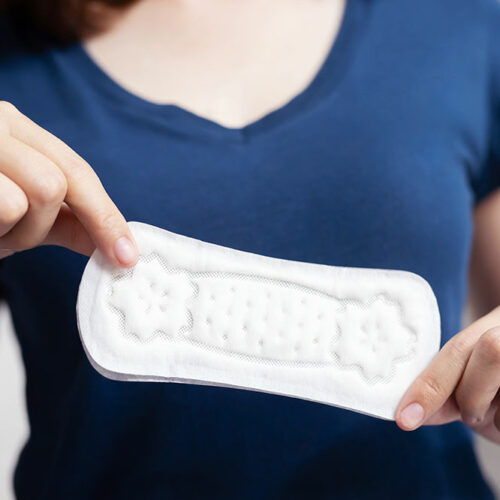
Menstrual health and hygiene can significantly impact a woman’s health and well-being. But despite its significance, many women still struggle to sift through the misconceptions and misunderstandings surrounding the menstrual cycle. Some mistakes related to that time of the month can range from using the wrong type of products to neglecting proper cleaning. Knowing these common but harmful mistakes can empower women with the knowledge they need to lead healthy lives. Using scented products Scented products like toilet paper, sanitary napkins, and tampons sold with attractive packaging may feel comforting and fragrant, but they contain harmful chemicals. These chemicals are usually added to eliminate foul odor, but they also interfere with the pH level of a woman’s body during periods. Additionally, they can irritate the sensitive skin around one’s genitals and cause a burning sensation or infections due to repeated use. Instead of scented products, one can opt for natural products free of fragrance and additives. Besides that, one way to eliminate the foul smell is to use plain water to maintain vaginal health naturally. Over-washing intimate area One must remember that vaginal discharge is not always a cause for concern. At times, it may be more or less, varying from one menstrual cycle to another or even through one’s lifetime.

Understanding the causes and symptoms of ovarian cancer

Understanding the causes and symptoms of ovarian cancer
Ovarian cancer is a type of cancer that develops in the ovaries or the female reproductive organs. In this condition, abnormal cells begin developing in the ovaries or fallopian tubes and begin spreading to the pelvis and stomach. While early diagnosis of the disease can ensure timely treatment, the cancer can be challenging to detect at the initial stages. This article lists ovarian cancer’s causes and symptoms and discusses foods that can help manage it. Causes of ovarian cancer Genetic predisposition Individuals with mutations to the BRCA1 or BRCA2 genes are more likely than others to develop breast and ovarian cancer. Moreover, individuals having close blood relatives diagnosed with breast cancer are highly susceptible to contracting this condition. Therefore, genetic screening for mutations to the BRCA gene can help one detect ovarian cancer. Having no children or giving birth after a certain age Studies have shown that having children at an early age is associated with a lower risk of ovarian cancer. However, having children late or bearing no children may increase one’s risk of the condition. Plus, individuals having undergone certain types of treatment for child bearing or, conversely, women using birth control measures like birth control pills may also be more vulnerable to ovarian cancer.

12 ways to manage blood sugar levels and control diabetes

12 ways to manage blood sugar levels and control diabetes
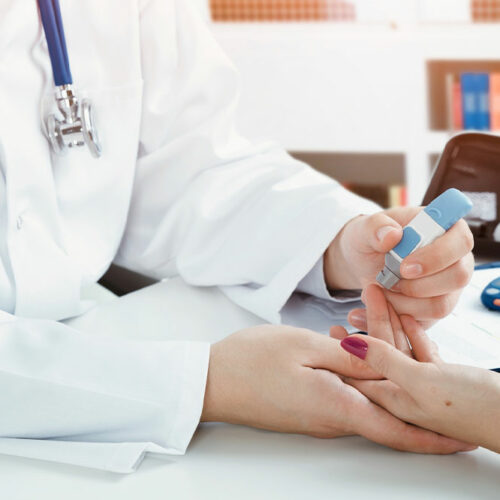
Diabetes has become a major global health issue. A collection of illnesses known as diabetes mellitus impact how the body uses glucose or blood sugar. Since its incidence has been continuously increasing over the past few decades, diabetes has grown to be a significant public health issue that affects millions of people from all walks of life. This article explains the possible symptoms, causes, and ways to manage blood sugar levels and control diabetes. Symptoms Depending on the type of diabetes and individual conditions, the signs and symptoms of diabetes might change. Some of them are: Frequent urination One of the initial symptoms of diabetes is an increase in urination. By producing more urine, the kidneys attempt to flush the body with extra sugar. Excessive thirst People with diabetes may experience extreme thirst as their bodies attempt to replace the fluids they have lost through frequent urination. Unexpected reduced weight People with diabetes may lose weight without consciously attempting to do so. This can happen when the body utilizes fat and muscle tissue as an energy source instead of glucose because it cannot adequately use it. Fatigue Overly exhausted or fatigued feelings are a common sign of diabetes. Lack of energy and constant exhaustion might result from the body’s inability to use glucose for energy adequately.

13 signs and symptoms of hemophilia one shouldn’t ignore

13 signs and symptoms of hemophilia one shouldn’t ignore
Blood clotting is an essential bodily process that prevents excess bleeding in the event of a blood vessel injury. Patients with hemophilia experience inadequate clotting of blood, which can cause them to bleed profusely following even minor injuries or surgical procedures or even without a definite reason. This inherited disease is more prevalent among males than females, affecting 1 in 5,000 male births nationwide. This article lists some types and common symptoms of hemophilia: Types of hemophilia The most prevalent types of hemophilia are hemophilia A and B: 1. Hemophilia A Hemophilia A is the most common type of this condition, caused by a deficiency of clotting factor 8, an essential protein responsible for blood clotting in the body. 2. Hemophilia B Patients with hemophilia B or Christmas disease experience deficiency or absence of coagulation factor 9, also known as the Christmas factor. This factor is another element the body utilizes to clot blood. Signs and symptoms of hemophilia Here are the signs and symptoms of hemophilia: 1. Severe, uncontrollable bleeding The most apparent symptom of hemophilia is excess, uncontrollable bleeding, particularly following injuries or surgeries. This symptom stems from the body’s inability to form blood clots optimally. 2. Easy bruising Hemophilia may cause deeper and more frequent bruises than usual owing to inefficient blood clot formation.

Our
Blog.

Managing kidney health – Best and worst foods

Managing kidney health – Best and worst foods

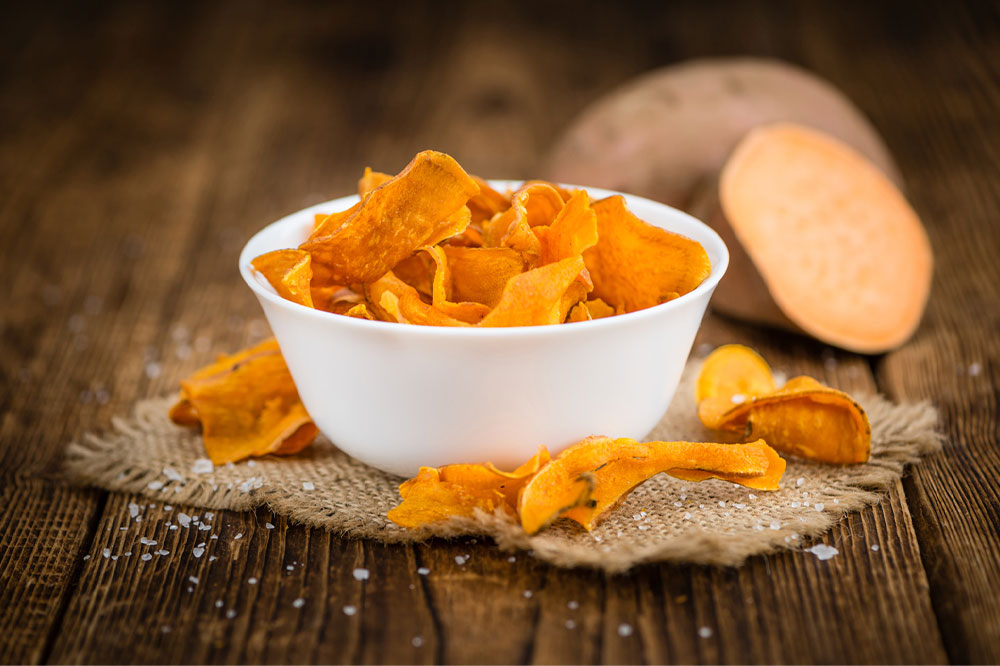
The kidneys are bean-shaped organs that are responsible for important bodily functions, like producing hormones, removing waste through urine, filtering blood, balancing minerals, and maintaining fluid balance. But, according to the American Kidney Fund, more than 1 in 7 adults in the country are affected by chronic kidney diseases. So, it is important to maintain kidney health by making better lifestyle choices and opting for foods that support kidney health. Food and kidney health The kidneys have multiple tiny blood vessels that help filter and eliminate excess water and waste from the body. If one is affected by chronic kidney diseases, the kidneys cannot filter blood, leading to the accumulation of waste in the body. Hypertension and diabetes are some of the leading causes of kidney disease. So, a healthy food plan can help prevent and manage these conditions by removing excess sodium, phosphorus, or potassium. Additionally, some foods should be limited or avoided to prevent further kidney damage. Best foods for kidney health Sweet potatoes: Sweet potatoes are similar to white potatoes but have excess fiber, which the body can take longer to break down, resulting in less of a spike in insulin levels in the body. Additionally, sweet potatoes contain various nutrients and minerals that may help balance the sodium and reduce its effect on the kidneys.
Read More
11 useful tips for anxiety management

11 useful tips for anxiety management

Nearly 84% of participants in a particular mental health survey were said to have some form of anxiety. The severity of symptoms did vary from person to person, but the fact remains that we live in a world where almost everything is a potential trigger for anxiety. And living in denial about having a psychological trigger only worsens the problem. Luckily, it is possible to manage anxiety by following the suggestions recommended by experts. Identify the triggers Anxiety is mainly triggered due to an event or episode where one finds themselves in a difficult position. It could be something that puts a person out of their comfort zone. Doctors advise people to identify these triggers and avoid them. Any comment, action, or situation that did not work out in favor triggers anxiety. So, make a list of such events and instances and ignore them the next time something happens related to that event. At the same time, try to remain positive as it can help strengthen the mind to manage anxiety better. Keep busy Distraction is one of the simplest ways to prevent a panic or anxiety attack. You can perform simple chores or indulge in a favorite task to stay physically and mentally occupied for a few hours.
Read More