

Key Takeaways
Dynamic Airfare Pricing
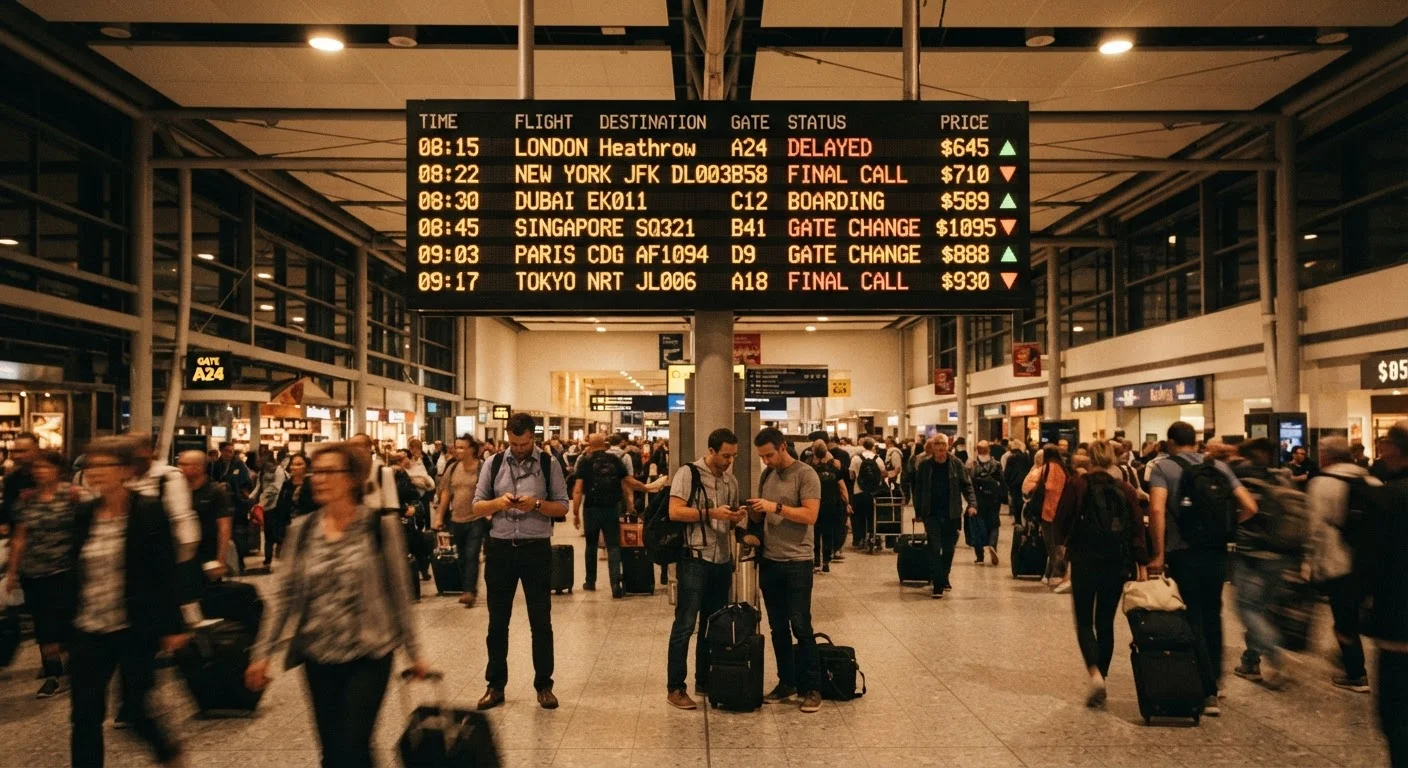
Airlines continuously adjust ticket prices based on a range of factors including demand, booking timing, available seat inventory, and competition. Rather than setting a fixed price, they use automated systems to raise or lower fares in real time — sometimes multiple times per day. The price you see today may not exist tomorrow.
This practice is formally known as yield management or revenue management, a system airlines pioneered in the 1980s to maximize revenue per flight by selling different seats at different prices to different customer segments.
How Airlines Actually Set Prices
Airline pricing isn't the result of someone sitting in a back office choosing numbers. It's an automated, algorithmic process that responds to data points every few minutes. Airlines use revenue management software that continuously evaluates seat demand, historical booking patterns, competitor fares, remaining inventory, and departure proximity to adjust prices across hundreds of flights simultaneously.
Each flight is divided into fare classes — designated by letter codes like Y, B, M, or Q — that represent different pricing tiers within the same cabin. First-class and economy passengers may sit in identical seats but have purchased entirely different products with different refund rights, flexibility, and mileage accrual. As cheaper fare classes sell out, only more expensive ones remain available. The plane hasn't changed; the available inventory has.
Millions
Fare changes airlines make daily across their networks
Revenue management systems at major carriers can adjust prices across their route networks millions of times per day in response to booking activity and competitor pricing.
Up to 20+
Distinct fare classes per flight cabin
A single economy cabin can contain more than 20 different fare class codes, each with different pricing rules, flexibility, and mileage earning rates.
1–3 months
Typical domestic booking window for competitive fares
Flight data research generally indicates that booking domestic US flights one to three months in advance tends to fall within a range of competitive pricing, though route and season vary significantly.
What Pushes Prices Up or Down
Several concrete factors drive fare movement in predictable — if not always predictable for the traveler — ways:
- Demand surge: Holiday travel windows, major events, and school breaks push demand up. With more buyers competing for the same seats, airlines shift availability toward higher fare classes faster.
- Route competition: When multiple carriers fly the same route, competitive pricing tends to keep fares lower. On monopoly routes served by one airline, prices typically reflect that lack of competition.
- Booking proximity: Business travelers often book close to departure, and airlines know this. That's partly why last-minute fares spike — airlines expect urgent buyers to absorb the cost. However, unsold seats near departure can also trigger price drops, particularly on leisure routes.
- Day of departure: Midweek flights — typically Tuesday and Wednesday — tend to have lower demand than Friday or Sunday departures, which can translate into lower fares on those days of travel.
Understanding these levers won't guarantee you the lowest price, but it can help you make more informed decisions about timing. See our common budget pitfalls guide for how airfare surprises fit into broader travel cost planning.
Use Fare Alerts Instead of Constant Searching
Rather than checking prices daily — which can be time-consuming and occasionally trigger cookie-based price displays — set up fare alerts through a flight search tool. Most major search platforms let you monitor a specific route and notify you when prices change significantly. This approach lets you track real movement without the noise of daily manual checks.
The Role of Booking Timing
There's no universally correct answer to when you should book — but there are useful patterns. For most domestic US routes, fares tend to stabilize between one and three months before departure, with prices rising sharply inside the final two to three weeks. For international travel, that window generally extends further out — commonly two to six months — though this varies by destination and season.
The assumption that booking earlier always saves money deserves scrutiny. Early booking doesn't always guarantee savings — airlines sometimes release promotional fares closer to departure to fill unsold inventory. The safest approach is to set fare alerts on a flight search tool once you know your travel window, track prices over a few weeks, and book when the fare aligns with your budget comfort zone rather than waiting for a mythical perfect moment.
Also worth noting: the price you see online isn't always the full cost. Checked baggage fees, seat selection charges, and change fees can meaningfully inflate the final total. Our guide to hidden travel costs breaks down what often gets missed when travelers focus only on the ticket price.
Prices Shown Online Are Estimates Until Ticketed
The fare displayed during a search is not guaranteed until you complete the purchase and receive a confirmed ticket number. Prices can change between the search results page and the payment confirmation screen, particularly during high-traffic booking periods. Always review the final price on the confirmation screen before considering your booking complete.
What This Means for Your Travel Planning
Knowing how airfare pricing works shifts you from feeling at the mercy of the system to working within it more deliberately. A few practical mindset shifts:
- Treat price variability as expected, not unfair. Fares will change after you buy — sometimes higher, sometimes lower. Accept that you booked at a price that made sense for your situation at the time.
- Compare total cost, not just the ticket. A fare $40 cheaper from an airline that charges for carry-ons and seat selection may end up costing more than a slightly pricier ticket with inclusions.
- Flexibility has real monetary value. If your travel dates are moveable by even a few days, running searches across a date range can surface meaningfully different prices on the same route.
If disruptions happen after you've booked, knowing your passenger rights matters as much as knowing how you got your ticket. Our guide to flight disruptions covers what passengers can typically expect when things go wrong.