

Key Takeaways
Complete schedule flexibility at every port
You decide how to spend each port day without negotiating with travel companions. Whether you join a guided excursion or wander independently, the choice is entirely yours.
Built-in logistics reduce planning burden
Accommodation, meals, and transport between destinations are all handled by the ship. This makes solo cruising logistically simpler than independent solo travel across multiple cities.
Easier to socialise than most solo travel formats
Shared dining tables, group activities, and organised solo-traveler events create natural opportunities to meet people without requiring much effort.
Safety is generally well-structured onboard
Cruise ships operate in a controlled, staffed environment with security, medical facilities, and 24-hour crew availability — a comfort for travelers who have safety concerns about going solo.
Freedom to choose your own pace
Sea days can be as active or as restful as you choose, with no obligation to match another person's energy level or interests.
Solo supplements significantly increase the cost
Most cabins are priced for two people, so solo travelers often pay a supplement of 50–100% above half the double rate. This can make a cruise meaningfully more expensive than comparable land-based travel.
Smaller solo cabins can feel limiting
Purpose-built solo staterooms, while supplement-free, are typically compact. Travelers accustomed to standard cabin amenities may find the trade-off in space noticeable on longer sailings.
Onboard social dynamics can feel cliquey
Many passengers travel with partners, families, or friend groups, which can make certain group settings feel less welcoming for solo travelers — particularly on shorter, leisure-focused itineraries.
Shore excursions booked independently carry more risk
When exploring ports alone and not through the ship's official excursion program, there's less backup if something goes wrong — such as a missed departure or a safety incident ashore.
No shared experience to reflect on afterward
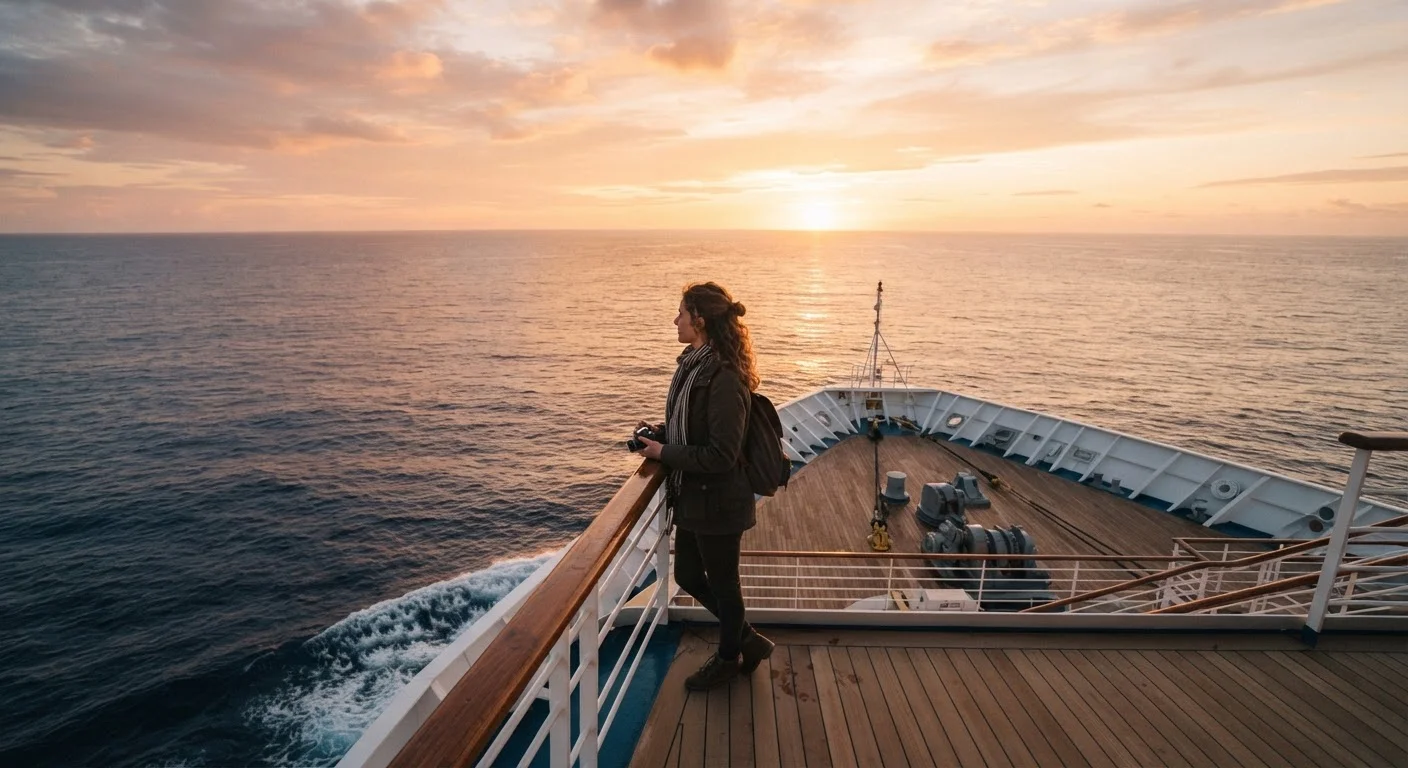
Travel with companions creates shared memories that many people value. Solo cruising means experiencing highlights — a dramatic sunset, a remarkable port — without someone to share them with in the moment.
Our Verdict
Solo cruising delivers a compelling mix of structure and freedom that suits independent travelers who want a hassle-light base for exploring new destinations. The solo supplement remains a legitimate financial concern, but it's increasingly manageable thanks to dedicated solo cabins and waiver programs. For those willing to budget carefully and embrace onboard socialising, a solo cruise can be one of the most rewarding travel formats available.
Best suited to independent travelers who want an organised yet flexible travel experience without the compromises of group planning.
Why Solo Cruising Has Gone Mainstream
Cruising alone was once a niche choice — something of a last resort if no one was available to travel with you. That's changed significantly. Cruise lines have responded to growing demand from solo travelers by adding dedicated single-occupancy cabins, solo-focused social events, and pricing structures that better reflect the reality of one person booking a trip.
For travelers weighing their options, it helps to compare this against alternatives. Solo travel versus group travel involves a different set of trade-offs depending on format, and a cruise occupies a unique middle ground: you're alone, but you're rarely isolated. The ship itself becomes a ready-made community.
Understanding the genuine upsides — and the equally genuine drawbacks — is the most useful starting point before you commit to a booking.
The Real Advantages of Cruising Solo
Complete schedule flexibility at every port
You decide how to spend each port day without negotiating with travel companions. Whether you join a guided excursion or wander independently, the choice is entirely yours.
Built-in logistics reduce planning burden
Accommodation, meals, and transport between destinations are all handled by the ship. This makes solo cruising logistically simpler than independent solo travel across multiple cities.
Easier to socialise than most solo travel formats
Shared dining tables, group activities, and organised solo-traveler events create natural opportunities to meet people without requiring much effort.
Safety is generally well-structured onboard
Cruise ships operate in a controlled, staffed environment with security, medical facilities, and 24-hour crew availability — a comfort for travelers who have safety concerns about going solo.
Freedom to choose your own pace
Sea days can be as active or as restful as you choose, with no obligation to match another person's energy level or interests.
Beyond the bullet points, solo cruising offers a type of autonomy that's hard to replicate in other travel formats. You choose which shore excursions to join, which specialty restaurants to try, and whether to spend a sea day at the pool or tucked in a quiet lounge with a book. There's no group consensus to reach, no waiting for a travel partner who runs late, no compromising on the pace of a port visit.
Onboard socialising tends to come more naturally than many solo travelers expect. Communal dining tables, trivia nights, cooking classes, and dedicated solo traveler meetups — offered by many mainstream cruise lines — mean that connection is available when you want it and easy to opt out of when you don't. For those who find group travel planning exhausting, this balance can feel like a revelation.
The Genuine Trade-Offs
Solo supplements significantly increase the cost
Most cabins are priced for two people, so solo travelers often pay a supplement of 50–100% above half the double rate. This can make a cruise meaningfully more expensive than comparable land-based travel.
Smaller solo cabins can feel limiting
Purpose-built solo staterooms, while supplement-free, are typically compact. Travelers accustomed to standard cabin amenities may find the trade-off in space noticeable on longer sailings.
Onboard social dynamics can feel cliquey
Many passengers travel with partners, families, or friend groups, which can make certain group settings feel less welcoming for solo travelers — particularly on shorter, leisure-focused itineraries.
Shore excursions booked independently carry more risk
When exploring ports alone and not through the ship's official excursion program, there's less backup if something goes wrong — such as a missed departure or a safety incident ashore.
No shared experience to reflect on afterward
Travel with companions creates shared memories that many people value. Solo cruising means experiencing highlights — a dramatic sunset, a remarkable port — without someone to share them with in the moment.
The solo supplement deserves special attention because it's the most significant practical hurdle. Cruise lines price cabins based on double occupancy, and when one person books alone, they typically pay 50–100% more per person than a shared booking would cost. The exact amount varies by cruise line, ship, cabin category, and sailing date — it's worth researching carefully before assuming a cruise fits your budget.
The good news is that the industry has moved meaningfully in the past decade. A growing number of ships now offer studio or solo cabins — smaller, purpose-designed staterooms at a single-occupancy rate with no supplement. Some itineraries and sailings also offer supplement waivers during off-peak periods, though availability is unpredictable.
Solo Cabins vs. Standard Cabins
Some cruise lines — particularly Norwegian Cruise Line, which pioneered the concept — have introduced dedicated solo studio cabins priced at a single-occupancy rate with no supplement. These are typically smaller than standard cabins but include access to a shared solo lounge. Availability is limited, so booking well in advance is advisable if this option appeals to you.
For context on how different cruise styles compare overall, see river cruising vs. ocean cruising — the format you choose can affect solo supplement structures and social dynamics considerably.
Matching the Right Itinerary to a Solo Trip
Not all itineraries suit solo travelers equally. A port-intensive itinerary through Europe or the Caribbean gives you plenty of independent exploration time in each destination — ideal if you thrive on setting your own pace ashore. Longer expedition sailings to Alaska or the polar regions attract a more adventurous demographic and tend to have a naturally social atmosphere among passengers with shared interests.
When narrowing down your destination, consider how much time you'll actually spend on the ship versus in port, and whether the onboard atmosphere matches your social preferences. Choosing a cruise itinerary that matches your travel style walks through the key questions in more detail.
25%+
Growth in solo cruise bookings
Industry observers have noted sustained growth in solo cruise bookings over the past several years, with some cruise lines reporting solo travelers now accounting for more than a quarter of new inquiries.
100%
Typical maximum solo supplement rate
Solo supplements commonly range from 50% to 100% of the double-occupancy per-person rate, depending on the cruise line, cabin type, and sailing date.