

Key Takeaways
Why Battery Myths Are So Persistent
Smartphone batteries generate strong opinions. Friends swear by particular charging rituals, forums debate optimal percentages, and manufacturers publish guidelines that seem to contradict each other. The confusion is understandable — battery technology has changed significantly over the past decade, and advice that was once valid for older battery types has stuck around long after it stopped applying.
The batteries in today's smartphones, tablets, and laptops are almost all lithium-ion (Li-ion) or lithium-polymer (LiPo) cells. These work very differently from the nickel-cadmium (NiCad) batteries that powered older devices. Understanding that distinction is the key to separating fact from outdated fiction.
If your phone isn't lasting through the day, charging habits are only one piece of the puzzle. background apps and display settings can be just as responsible for rapid drain.
Myth
You should drain your battery completely to zero before recharging it.
Fact
Fully discharging a lithium-ion battery actually stresses it and accelerates wear. Frequent top-ups are healthier.
This advice originated with older NiCad batteries, which suffered from a "memory effect" — they could lose capacity if not fully discharged regularly. Lithium-ion batteries have no such effect. In fact, allowing a Li-ion battery to hit 0% repeatedly forces it through a deep discharge, which strains the battery chemistry and shortens its overall lifespan. Keeping charge levels above 20% is a better rule of thumb.
Myth
Charging to 100% every time is the best way to keep your battery healthy.
Fact
Staying at 100% for extended periods puts the battery under sustained voltage stress. Most experts recommend a 20–80% range for daily use.
Lithium-ion cells experience the most electrochemical stress at the extremes — fully empty or fully charged. Many phone manufacturers now include settings that let you cap charging at 80% for exactly this reason. If you need a full charge for a long day, that's fine occasionally; the damage comes from consistently sitting at 100% for hours at a time, such as after overnight charging is complete.
Myth
Overnight charging will destroy your battery because it keeps charging past 100%.
Fact
Modern devices stop drawing charge once they reach 100% and use trickle charging to maintain that level. The real concern is heat, not overcharging.
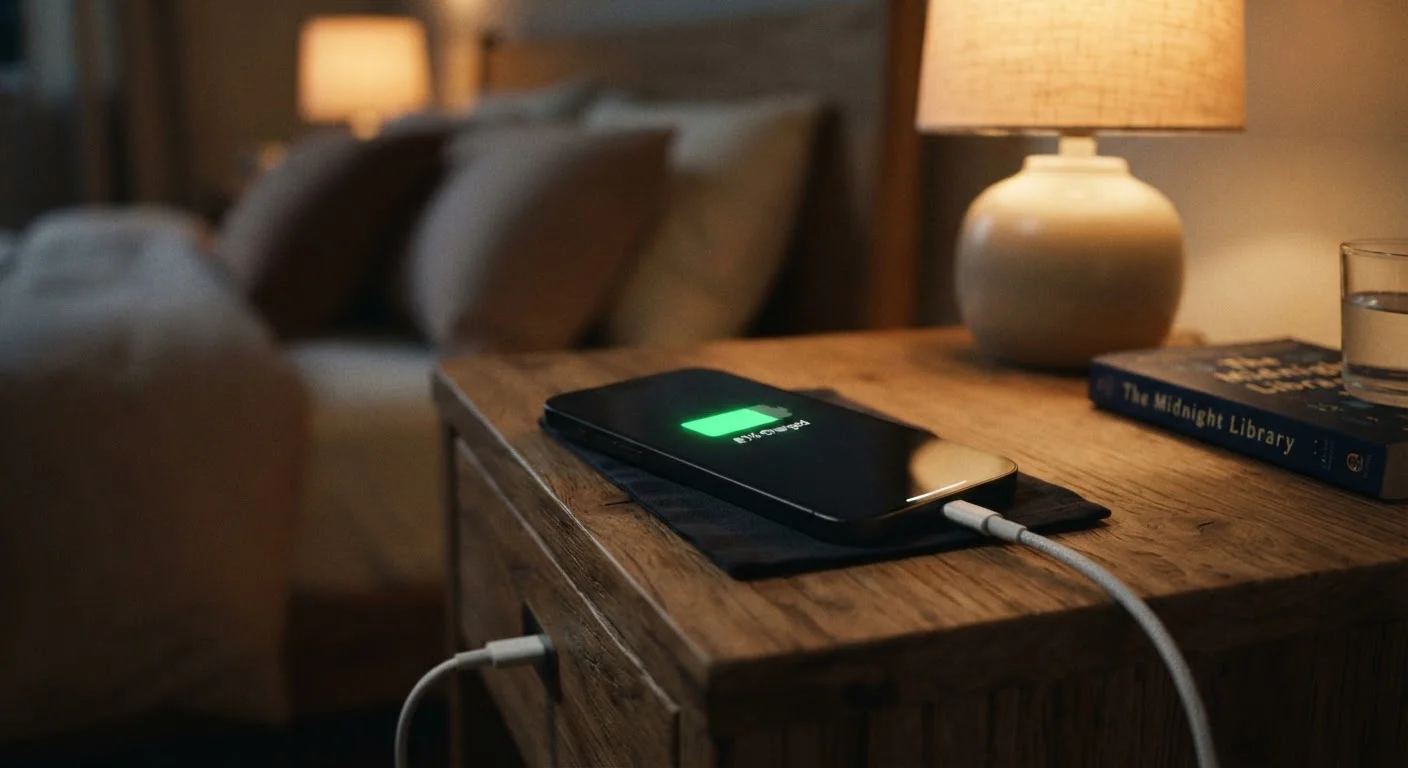
Built-in battery management systems on virtually all modern smartphones prevent true overcharging. Once full, the device switches to a low-level maintenance mode. However, sitting plugged in overnight in a warm spot — under a pillow or in a case that traps heat — does create thermal stress. Some phones now include an "optimized charging" feature that learns your schedule and delays the final charge push until just before you typically wake up, reducing time spent at 100%.
Myth
Fast charging is harmless and always the best option.
Fact
Fast charging is convenient but generates more heat than standard charging, and sustained heat degrades battery capacity faster over time.
Fast charging works by pushing more electrical current through the battery in less time. That increased current creates heat as a byproduct. Used occasionally, fast charging has a minimal real-world impact. Used as the default method every single day over years, the cumulative thermal exposure can accelerate capacity loss compared to slower charging. For overnight or unhurried charging, a standard charger is gentler on the battery.
Myth
Third-party chargers always damage your battery.
Fact
Certified third-party chargers that meet established safety standards are generally safe. Uncertified, very cheap chargers carry real risks.
The quality varies enormously. Chargers certified by recognized testing bodies (look for marks like UL or CE on the packaging) are designed to deliver stable voltage and current. Very cheap, uncertified chargers may deliver inconsistent power that stresses the battery and, in rare cases, poses a safety risk. The brand of the charger matters less than whether it meets established safety and compatibility standards for your device.
What the Evidence Actually Says
Battery longevity is measured in charge cycles — one cycle equals a full 0–100% charge, though it can be spread across multiple top-ups. Most lithium-ion batteries are rated for somewhere between 300 and 500 full cycles before capacity drops noticeably, though many modern phones are rated higher. Every habit that reduces the stress on each cycle adds up over months and years.
20–80%
Recommended daily charge range for Li-ion batteries
Battery researchers and phone manufacturers commonly cite this range as the sweet spot for maximizing lithium-ion battery longevity.
~500
Typical full charge cycles before noticeable capacity loss
Many lithium-ion batteries are rated for around 300–500 full cycles, after which capacity may drop to roughly 80% of original.
Heat is the single biggest enemy of lithium-ion batteries. Charging generates heat, and charging at high speeds generates more of it. If your phone feels noticeably warm while charging — especially if it's also running demanding apps — that thermal stress compounds over time. Keeping your device in a cool, ventilated spot while it charges is one of the most practical steps you can take.
Avoid Charging Under Pillows or in Enclosed Cases
Charging generates heat, and blocking airflow dramatically increases the temperature your battery reaches. Never charge your phone under a pillow, blanket, or inside a thick case that seals in warmth. Prolonged heat exposure is one of the fastest ways to degrade battery capacity, and in rare extreme cases, it can pose a safety hazard.
The same myth-busting logic that applies to phones applies in other consumer contexts. persistent car maintenance myths and investing misconceptions show how outdated rules of thumb survive long past their usefulness.