

Key Takeaways
Summary
18 items · 5-15 minutes
Why a Quick Check Before Every Trip Is Worth It
Most roadside breakdowns aren't random bad luck - they're problems that were already developing and went unnoticed. A slow tire leak, a cracked wiper blade, a warning light that's been sitting on the dash for a week. None of these announce themselves loudly until they become an emergency.
This checklist is built for everyday driving, not just road trips. Whether you're heading to work or across three states, a quick walkround and interior scan takes less time than a coffee run. For a deeper look at what to check before longer trips, see our pre-long-drive vehicle check and practical pre-trip vehicle check guides.
The items below are organized by location - exterior first, then interior - so you can move through them efficiently without backtracking.
Don't Skip This on Short Trips
It's tempting to skip the walkround when you're only driving a few miles. But underinflated tires, burned-out brake lights, and low oil levels don't care how far you're going. Short trips often involve parking lots, school zones, and neighborhoods - places where a mechanical failure or reduced visibility can cause real harm.
What You'll Need
No special equipment is required for most of this checklist. A few items are worth keeping in your car so you're always ready to check and correct on the spot.
Tire pressure gauge
Used to check that each tire is inflated to the correct PSI before departure.
Engine oil (correct grade for your vehicle)
Allows you to top up engine oil on the spot if the dipstick shows a low reading.
Windshield washer fluid
Kept in the trunk so you can refill the reservoir whenever it runs low.
Flashlight or phone torch
Helps you inspect tires, under the hood, and underneath the car in low-light conditions.
The Pre-Journey Checklist
Work through these groups in order. The exterior check takes the most time; the interior scan is fast once you're in the driver's seat.
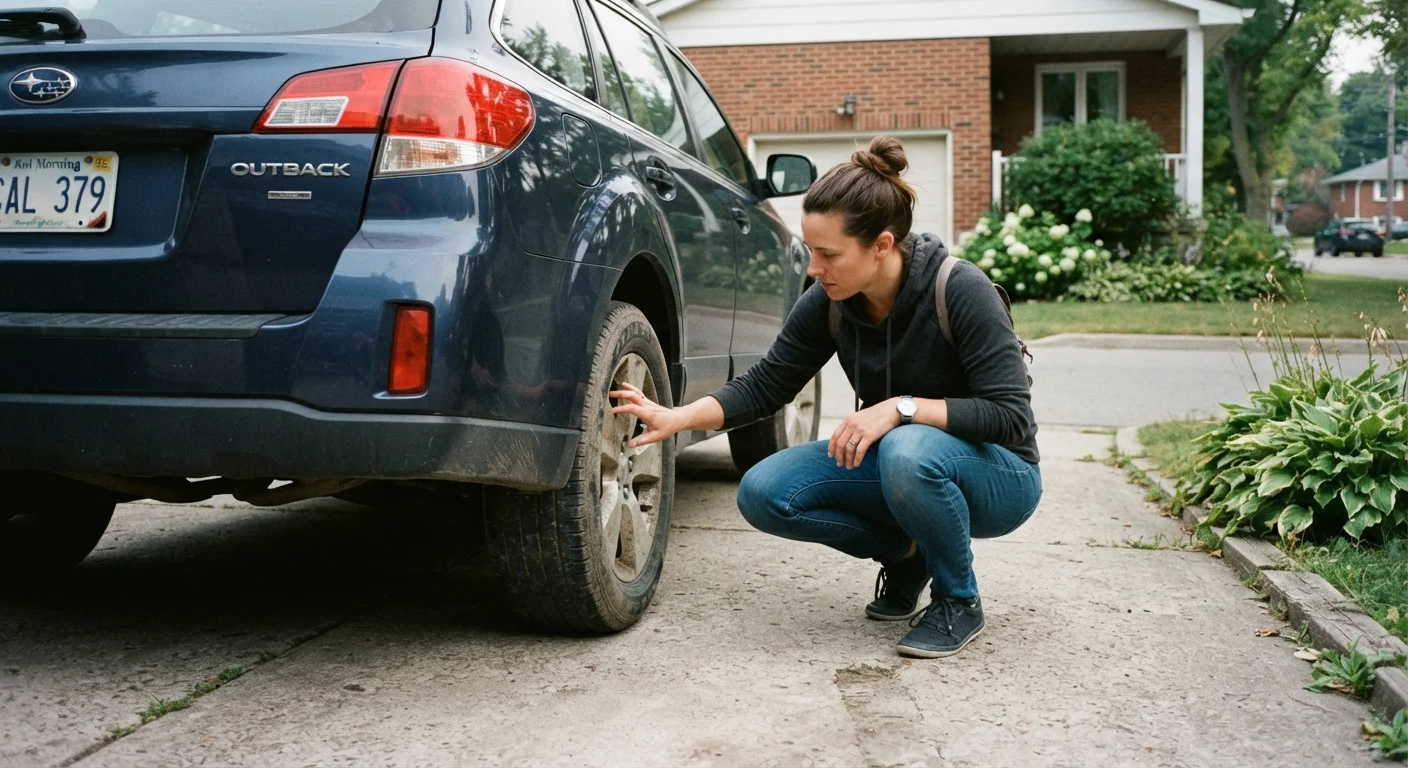
Exterior - Tires
Exterior - Lights and Visibility
Under the Hood - Fluid Levels
Interior - Safety and Controls
Warning Lights Always Deserve Attention
If a warning light stays illuminated after the engine has been running for 30 seconds - especially the oil pressure, brake, or check engine light - don't assume it will resolve itself. Continuing to drive with an active warning light can turn a minor issue into expensive damage or an unsafe vehicle. Have the vehicle inspected by a qualified mechanic before making a long trip.
If you're planning a trip away, pairing this vehicle check with a broader pre-departure checklist helps make sure nothing gets overlooked before you leave home.