

Cars

Pre-Long-Drive Vehicle Check

Share
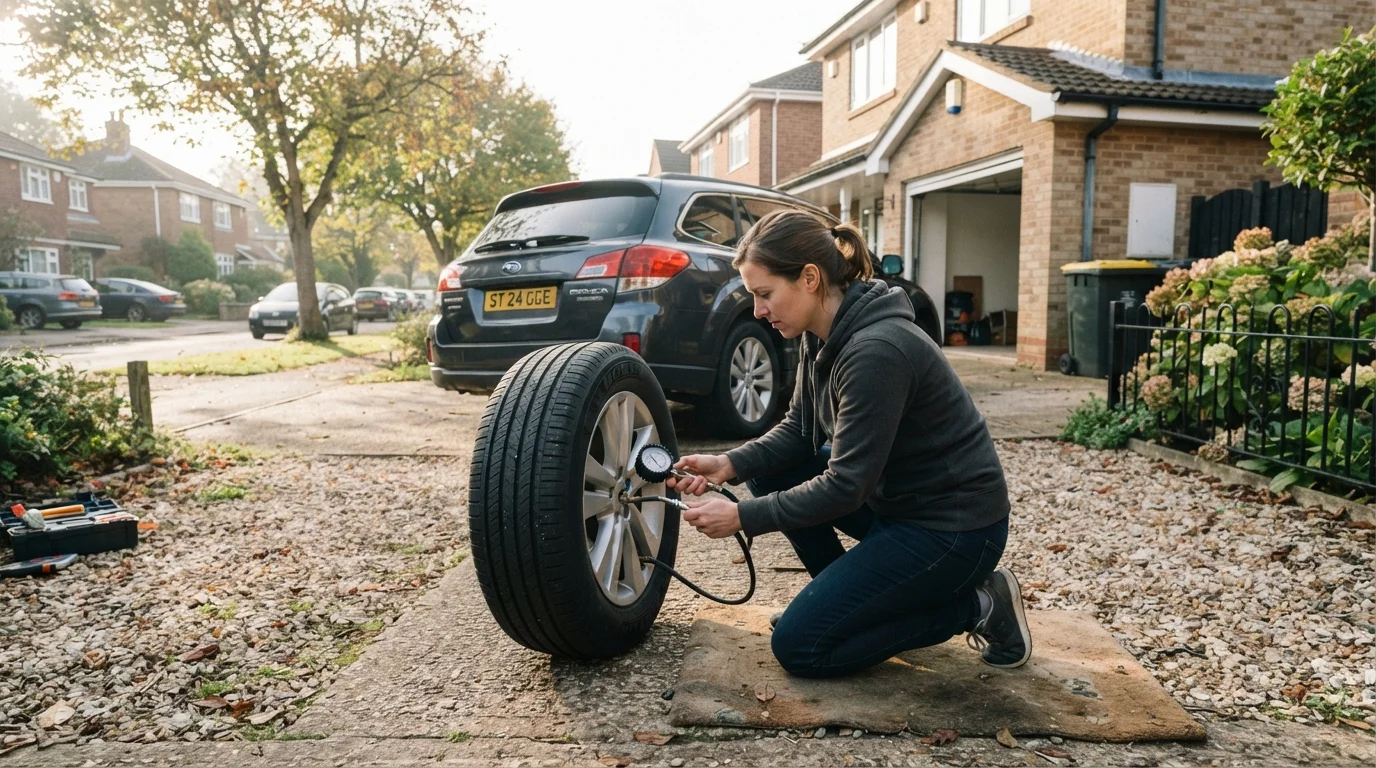
Driver kneeling beside a car tyre checking tyre pressure with a gauge before a long journey.

Key Takeaways

Tyre pressure and tread depth are the most critical checks before any long drive.
Engine oil, coolant, and windshield washer fluid should all be verified before departure.
Working lights and wipers are simple to check and legally required in most states.
A basic emergency kit in the trunk can make a breakdown far less stressful.
Most pre-drive checks take under 40 minutes and require no special tools.
20–40 min

Summary

22 items · 20–40 minutes

Why This Check Matters

Long drives put more stress on your car than short commutes — sustained highway speeds, extended engine heat, and miles far from your usual mechanic. A problem that seems minor around town can turn into a blown tyre or an overheating engine when you're hours from home.

This checklist is designed to catch the issues most likely to strand you or compromise your safety. It's organized into quick groups you can work through systematically in your driveway before you load up the car. For a broader look at staying safe once you're on the road, the Driving & Safety hub has additional practical guidance.

If you're travelling with passengers, it's also worth pairing this vehicle check with a personal preparation list — see everything you should confirm before leaving home for a companion checklist covering documents, bookings, and other essentials.

Required

Tyre Pressure Gauge

Used to measure PSI in each tyre accurately — more reliable than eyeballing or relying on dashboard sensors alone.

Required

Tread Depth Coin (Quarter)

A standard US quarter used to quickly check whether tyre tread depth is safely above the wear threshold.

Optional

Flashlight or Work Light

Helps you clearly see engine bay components, fluid levels, and tyre conditions in low-light conditions.

Required

Clean Rag or Paper Towels

Needed to wipe the oil dipstick cleanly before taking an accurate reading.

Optional

Engine Oil (correct grade for your vehicle)

For topping up oil if the level is below the minimum — check your owner's manual for the correct viscosity rating.

The Full Pre-Long-Drive Checklist

Work through each group in order. The tyre and fluid checks are the most important — don't skip them even if you're short on time. Items marked must are non-negotiable safety or legal requirements. Should items are strongly recommended. Nice to have items improve comfort and preparedness.

Tyres

Check tyre pressure on all four tyres (and the spare) using a gauge — compare to the recommended PSI on the sticker inside your driver's door jamb, not the number printed on the tyre sidewall. Must
Inspect tread depth on each tyre — insert a quarter upside-down into a tread groove; if you can see the top of the head, the tread is too worn for safe highway driving. Must
Look over tyre sidewalls for cuts, bulges, or cracking that could indicate structural damage. Must
Confirm your spare tyre is present, properly inflated, and that you have a functional jack and lug wrench in the vehicle. Should

Fluids

Check engine oil level using the dipstick with the engine cold — wipe it, reinsert fully, then pull it out to read the level; top up if below the minimum mark. Must
Check the coolant (antifreeze) reservoir level when the engine is cold — the level should fall between the MIN and MAX lines on the translucent tank. Must
Verify windshield washer fluid is full — this is especially important for highway driving where road spray and bugs are a constant nuisance. Should
Check brake fluid level in the reservoir under the hood — if it's noticeably low, have your brakes inspected before the trip. Should
Glance at the power steering fluid reservoir if your vehicle has a separate one (many newer cars have electric steering and no fluid to check). Nice to have

Lights & Visibility

Turn on headlights and walk around the car to confirm both low beams, high beams, and taillights are working. Must
Test brake lights by pressing the pedal while someone stands behind the car, or reverse toward a reflective surface. Must
Check all turn signals and hazard lights are functioning — a faulty blinker is a common cause of traffic stops. Must
Test your windshield wipers at both speeds and confirm the blades clear the glass cleanly without streaking. Should
Clean the windshield inside and out — interior film and smears cause significant glare during night or dawn driving. Nice to have

Under the Hood & Belt

Visually inspect the serpentine belt (the wide, ribbed belt visible near the front of the engine) for cracking or fraying — a broken belt will disable your alternator and sometimes your power steering. Should
Look for any visible fluid leaks under the car before you move it — fresh spots on your driveway warrant investigation. Should

Emergency Kit

Confirm you have jumper cables or a portable jump starter in the trunk. Should
Pack a basic first-aid kit, a flashlight with working batteries, and a reflective warning triangle or road flares. Should
Bring a phone charger and keep your roadside assistance membership information (if you have one) easily accessible. Should
Keep a small blanket and a bottle of water in the car — useful in hot weather breakdowns and a genuine necessity in cold climates. Nice to have

Don't Check Coolant on a Hot Engine

Opening the coolant reservoir or radiator cap on a hot engine can cause pressurized steam or coolant to spray out, resulting in serious burns. Always let the engine cool fully — at least 30 minutes after driving — before touching anything in the cooling system. If you need to check coolant after a recent drive, wait until the engine is completely cool to the touch.

Once you've finished the vehicle checks, consider how you'll manage fatigue on the road itself. Long-distance driving without fatigue covers break planning, warning signs of drowsiness, and strategies to arrive safely.

A Note on DIY Limits

Most checks on this list are visual or use a basic gauge — no mechanical experience required. However, if you notice anything that looks damaged, leaking, or significantly worn during your walkround, have it looked at by a qualified mechanic before setting off. It's always better to delay a departure than to deal with a breakdown or accident on the road.

If your car is showing any dashboard warning lights that you haven't had diagnosed, treat that as a reason to postpone the trip until the issue is understood. Don't assume a warning light is minor just because the car seems to drive fine.

For drivers who encounter deteriorating conditions en route, adapting to hazardous conditions is a useful read before you leave.

Dashboard Warning Lights Are Not Optional

If your check engine light, oil pressure light, temperature warning, or any other warning indicator is illuminated, do not assume it's safe to complete a long drive. Some warning lights indicate conditions that can escalate to engine damage or brake failure within miles. Have the vehicle diagnosed by a qualified mechanic before departing — this is not a step to defer until you return.

Cars Editorial Team is the collective byline for our editorial team and contributor network. Articles published under this byline or an editorial pen name are researched, written, and reviewed according to our editorial standards for clarity, consistency, and independence before publication.

View all articles by Cars Editorial Team →
Disclaimer: The content on this site is for informational purposes only and is not a substitute for professional advice. Always consult a qualified professional for guidance specific to your situation.