

Key Takeaways
Start here
Start With the Owner's Manual
Next
The Maintenance Tasks That Matter Most
Then
What to Check Yourself vs. Leave to a Mechanic
Finally
Building a Simple Maintenance Routine
Start With the Owner's Manual
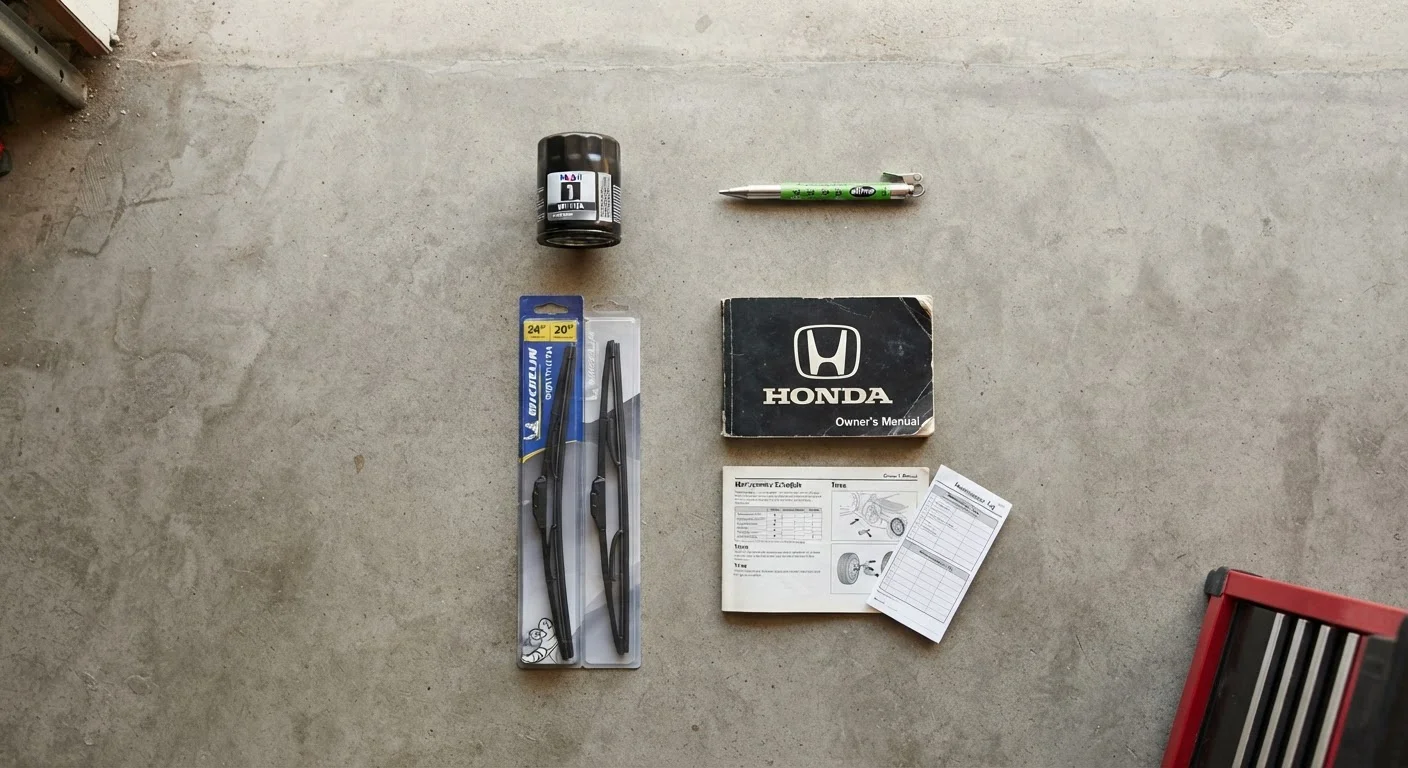
Most new car owners glance at the owner's manual once and never open it again. That's a missed opportunity - the manual is the single most useful document that comes with your car. It contains the manufacturer's recommended maintenance schedule, the correct tire pressure for your specific vehicle, the right type of oil and coolant to use, and explanations of every warning light on your dashboard.
Before anything else, find the maintenance schedule section. As this guide to reading your owner's manual explains, the schedule is already written down - most drivers just don't know where to look. It lists every service your car needs and at what mileage or time interval to do it. Following that schedule is the foundation of first-year ownership.
Maintenance schedule
A manufacturer's list of services your car needs at specific mileage or time intervals - found in the owner's manual.
Synthetic oil
A type of engine oil engineered for better performance and longer intervals between changes compared to conventional (petroleum-based) oil.
Tire rotation
Moving each tire to a different position on the car to ensure they all wear at an even rate over time.
PSI
Pounds per square inch - the unit used to measure tire inflation pressure. The correct number for your car is listed on a sticker inside the driver's door jamb.
Cabin air filter
A filter inside your car's ventilation system that removes dust and pollen from the air you breathe inside the cabin. It's separate from the engine air filter.
The Maintenance Tasks That Matter Most
Not all maintenance is equally urgent. Here are the tasks that have the biggest impact on your car's health during the first year:
- Oil and oil filter changes: Engine oil lubricates moving parts and keeps the engine cool. Over time it degrades and picks up contaminants. Changing it on schedule - per your manual - is the single most important thing you can do for engine longevity.
- Tire pressure checks: Underinflated tires reduce fuel efficiency, wear unevenly, and can affect handling. Check pressure monthly with an inexpensive gauge; the correct PSI is on a sticker inside your driver's door jamb, not on the tire sidewall.
- Tire rotation: Moving tires to different positions at regular intervals evens out wear. Most manufacturers recommend rotation every 5,000 to 7,500 miles.
- Air filter inspection: The engine air filter keeps dirt out of the engine. A clogged filter can reduce performance and fuel economy. It's typically inspected at each oil change and replaced when noticeably dirty.
- Brake inspection: Brakes should be visually inspected at least once a year or whenever you notice squealing or reduced stopping power. A mechanic can check pad thickness and rotor condition during routine service.
- Fluid levels: Coolant, brake fluid, power steering fluid (if applicable), and windshield washer fluid all have reservoirs that can be checked visually. Most are topped off by a shop during service, but it's worth knowing where they are.
Use Your Dashboard as a Reminder
Many modern vehicles display a 'maintenance due' or oil life indicator on the dashboard. These systems track your driving patterns and alert you when service is approaching. Even so, cross-reference with your owner's manual - the dashboard reminder is a helpful nudge, not a substitute for understanding your full service schedule.
What to Check Yourself vs. Leave to a Mechanic
Part of being a confident car owner is knowing which tasks you can handle and which ones require a professional. Here's a practical breakdown:
Safe for most drivers to do at home
- Checking and adjusting tire pressure
- Topping off windshield washer fluid
- Replacing wiper blades (most clip or slide into place)
- Checking engine oil level with the dipstick
- Replacing cabin air filters (often accessible without tools)
Best left to a qualified mechanic
- Brake pad and rotor replacement
- Tire mounting and balancing
- Coolant flushes or anything involving pressurized systems
- Any work underneath the car requiring a lift
- Electrical diagnostics or warning light investigation
When in doubt, ask. A reputable shop will explain what needs doing and why. Being an informed customer helps you make better decisions about your car - and your budget. For a broader look at what ownership costs beyond the sticker price, see this breakdown of real car ownership costs.
Don't Ignore Warning Lights
A check engine light or brake warning light that stays on is not something to postpone investigating. While not every light signals an emergency, some - like low oil pressure or brake system warnings - can indicate conditions that are unsafe to drive through. If you're unsure, have a mechanic read the diagnostic code before continuing to drive.
Building a Simple Maintenance Routine
The easiest way to stay on top of maintenance is to build a simple system rather than relying on memory. Try this approach:
- Note your current mileage. Write it down when you take ownership. This is your starting point for tracking every interval.
- Set reminders. Most smartphones let you set recurring calendar reminders. Add one for a monthly tire pressure check and one for your next scheduled oil change.
- Keep a service log. A small notebook in the glove box works fine. Record the date, mileage, and what was done at each service. Many shops provide a printout you can file alongside it.
- Look up any warning light immediately. Don't ignore dashboard lights. Your manual explains each one. Some are informational; others require prompt attention.
First-year car ownership involves more than just maintenance - registration, insurance, and unexpected costs all come into play. The Car Ownership Basics hub and the article on running costs new owners rarely anticipate are good next reads once you have your maintenance routine in place. Taking it one step at a time makes the whole picture manageable.