8 worst cities for individuals with migraines

8 worst cities for individuals with migraines
Certain factors can make any city a hotspot for migraines. Lifestyle elements such as the average overtime hours worked, frequency of air travel, lack of vigorous exercise, insomnia, and sunburn can all play a role in causing or worsening migraines. Additionally, environmental factors and the food consumed by the people living in the city can also contribute to migraines. Here are a few cities deemed migraine hotspots and why they are on this list. St. Louis, Missouri St. Louis is a booming metropolitan city that is densely populated and forever bustling with people. Its dense population and traffic make it one of the worst cities for people with migraine. Also, certain studies have found that people in this city exercise very little. People of St.Louis mostly commute or drive themselves to work every day. On top of all these, St. Louis has unpredictable weather and occasions on which the temperature is incredibly high. Apart from these factors, the people of this city frequently and excessively consume inflammation and migraine-inducing foods such as hot dogs, sausages, smoked meat, chocolate, coffee, cheese, and junk food. All in all, factors such as low frequency of exercise, poor choice of foods consumed by the city’s people, erratic and inconsistent weather, and the dense population make St.

8 side effects of antidepressants

8 side effects of antidepressants
Antidepressants are often a key part of a treatment plan for managing mental health conditions like anxiety and depression. They work by increasing the levels of certain brain chemicals and helping improve mood. However, like any treatment option, antidepressants also come with a few side effects. To help one make an informed decision when undergoing treatment involving the use of antidepressants, here are some of the common side effects one should know: 1. Serotonin syndrome This side effect is associated with certain types of antidepressants that can affect the serotonin levels in the body and cause imbalances. So, here, one may have excessive levels of serotonin. This is called serotonin syndrome. Although rare, this is a serious side effect that can lead to nausea, diarrhea, agitation, frequent bouts of frustration, high body temperature, shivering, and sweating. One may also experience twitching, headaches, tremors, muscle spasms, hyper-responsive reflexes, confusion, dilated pupils, delirium, rapid heartbeats, hallucinations, unexplained heart issues, and high blood pressure. Among the rarer and more serious symptoms of this condition are coma, convulsions, and recurring arrhythmia. This syndrome tends to have varying effects based on factors such as the person’s age, overall health, level of physical activity, and the presence of underlying health conditions.

Tips for Preventing Age-Related Macular Degeneration

Tips for Preventing Age-Related Macular Degeneration
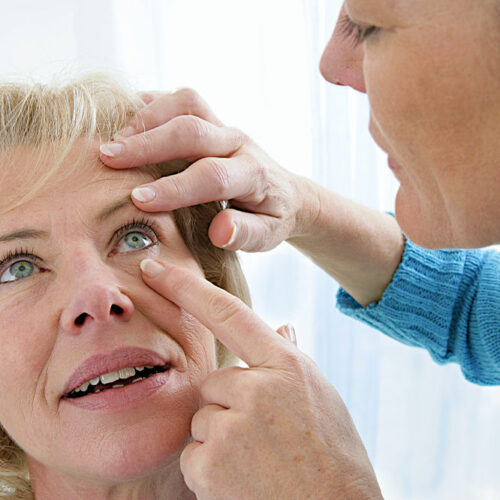
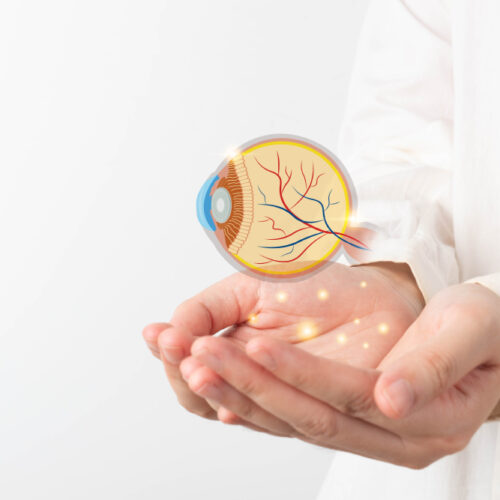
Tips for Preventing Age-Related Macular Degeneration AMD is a degenerative condition that primarily affects people over the age of 50. It frequently results in vision loss in older people. This disorder thins and deteriorates the macula, the area of the eye that produces the clearest, most detailed vision. Early detection and treatment can lower the chances of permanent vision loss. Simple lifestyle changes, such as eating healthier and exercising regularly, can significantly reduce the risk of AMD. Here are a few simple lifestyle modifications that can help prevent AMD. Lifestyle modification to prevent AMD Maintain a normal blood pressure level Hypertension promotes AMD by decreasing blood flow to the vascular layer of the eye, known as the choroid. The lack of oxygen in the eye accelerates the deterioration and increases the risk of wet AMD and central vision loss. It is preferable to keep blood pressure under control to avoid this situation. Maintaining a healthy lifestyle, avoiding fried foods, eating well, and exercising regularly can all help keep blood pressure under control. Although this condition has nothing to do with weight, a body mass index of 30 can make it worse, so it is preferable to keep a low BMI.

Chronic kidney disease management – Things to know

Chronic kidney disease management – Things to know
The kidneys in the human body filter all the blood in about 30 minutes to remove wastes, excess fluid, and toxins. The organ also helps control blood pressure, boost red blood cell production, and keep the bones healthy. But an individual may develop chronic kidney disease (chronic kidney failure) – the gradual loss of kidney function. It will hamper the overall functionality of the organ and lead to severe health complications. Symptoms The indicators of chronic kidney disease develop over time if the damage occurs gradually. Losing kidney function may result in an alarming build-up of fluid, body waste, or electrolytes. The signs and symptoms of the condition may also be caused by other health conditions, making kidney disease difficult to diagnose. Moreover, since kidneys cannot recover from lost function, the individual may not develop symptoms until the disease reaches advanced stages. Based on the severity of the disease, a person who suffers from loss of kidney function may experience vomiting, nausea, loss of appetite, chest pain (if there is fluid build-up around the lining of the heart), weakness, fatigue, excessive or poor urination, sleeping difficulties, muscle cramps, itchy or dry skin, hypertension (high blood pressure) that is difficult to manage, shortness of breath (if there is a build-up of fluids in the lungs), swollen feet or ankles, and declined mental sharpness.

Tips to prevent age-related macular degeneration

Tips to prevent age-related macular degeneration
Age-related macular degeneration is a degenerative condition that primarily affects people over 50. This disorder thins and deteriorates the macula, the area of the eye that produces the clearest, most detailed vision. Early detection and treatment can lower the chances of permanent vision loss. Simple lifestyle changes, such as eating healthier and exercising regularly, can significantly reduce the risk of AMD. Here are a few simple lifestyle modifications that can help prevent the condition. Lifestyle modification tips to prevent age-related macular degeneration Maintain a normal blood pressure level Hypertension promotes AMD by decreasing blood flow to the vascular layer of the eye, known as the choroid. The lack of oxygen in the eye accelerates the deterioration and increases the risk of wet AMD and central vision loss. It is preferable to keep blood pressure under control to avoid this situation. Maintaining a healthy lifestyle, avoiding fried foods, eating well, and exercising regularly can all help keep blood pressure under control. Although this condition has nothing to do with weight, a body mass index of 30 can make it worse, so it is preferable to keep a low BMI. Consume more antioxidant-rich foods Antioxidants are chemicals that prevent or reduce free radical damage to cells.

Simple tips for managing ulcerative colitis

Simple tips for managing ulcerative colitis
Ulcerative colitis is an unpredictable and highly inflammatory bowel disease. People with this condition frequently experience ulcers in their colon, a part of the large intestine. Additionally, diarrhea, bloody stools, abdominal cramps, and constipation are common indicators of this disorder. Such symptoms may worsen once in a while, known as flare-ups, while on other occasions, one may experience none. Here are some simple and effective ways to manage ulcerative colitis symptoms: Reducing fiber intake Surprisingly, fiber-rich foods can trigger ulcerative colitis flare-ups in people with the condition. Fiber is a good option for people looking to improve their bowel health and regularity. However, too much fiber has been found to aggravate ulcerative colitis flare-ups. To offset this, patients can consume low-fiber foods such as butter, tofu, eggs, fish, refined carbohydrates (white bread, white rice, white pasta), fish, juice with no pulp, and a few cooked fruits with no seeds or skin. Exercising regularly Following a regular exercise routine is always advisable due to the range of health benefits it brings into a person’s life. Daily workouts also help reduce the symptoms and complications associated with ulcerative colitis. When a person living with this disorder exercises regularly, they can counter some of the more extreme symptoms, such as a weakened immune system, decreased bone density, stress and pain, and the emotional turmoil that all these bring.

Our
Blog.

Factors to consider before buying a new mattress

Factors to consider before buying a new mattress

Picking out the perfect mattress is one of the most important home-makeover decisions you can make for a consistent good night’s sleep. With so many options available, from materials used and features offered to affordability and longevity, it may seem unnerving to navigate the market to find the right one for you. While buying a mattress is ultimately a matter of personal preference, here are some things to consider before choosing a new one: Type of mattress Memory foam and innerspring mattresses are the most popular choice among people. However, there are many other types of mattresses that you can opt for, depending on your requirements. Memory foam Memory foam mattresses offer the best pressure relief. They can conform to the body and take the weight off the pressure points for a comfortable night’s rest. These are ideal for side sleepers or those experiencing back pain because they promote proper spine alignment by reducing the pressure on the shoulders and hips. The only downside of conventional memory foam mattresses is that they can trap heat more easily and may be uncomfortable for hot sleepers. Latex Latex mattresses are more resilient than memory foam mattresses, which makes them firmer with less sinking in.
Read More
Atrial fibrillation – Causes, symptoms, and management tips

Atrial fibrillation – Causes, symptoms, and management tips

The human heart is susceptible to several health complications, including atrial fibrillation (AFib). The condition is the most common type of treated heart arrhythmia, which is a term describing when the heart beats unusually slowly, fast, or irregularly. AFib is estimated to affect between 2.7 million to 6.1 million individuals in the country. An individual with the complication experiences irregular beating in the heart’s upper chambers, affecting blood flow, leading to health complications. Causes Irregularities in the structure of the heart are the most common cause of atrial fibrillation. Sometimes people may develop the condition without any known heart damage or problems. Risk factors like age may also contribute to the development of atrial fibrillation. Other potential causes of the phenomenon include a heart attack, sick sinus syndrome – issues with the heart’s natural pacemaker, coronary artery disease, congenital heart defect – A heart defect that an individual might be born with, high blood pressure, lung diseases, heart valve problems, use of stimulants, including certain prescriptions and caffeine, physical stress caused due to pneumonia, other illnesses, and also surgery, sleep apnea, overactive thyroid (hyperthyroidism), metabolic imbalances, viral infections, and complications due to earlier heart surgery. Symptoms A person who develops atrial fibrillation may not notice symptoms, and the condition is detected only after a physical examination.
Read More