The role of nutrition in managing sickle cell disease

The role of nutrition in managing sickle cell disease
Sickle Cell Disease (SCD) is a hereditary blood disorder characterized by abnormal hemoglobin molecules in red blood cells, causing them to take on a distinctive crescent or sickle shape. Living with SCD might be challenging due to the potential for recurrent pain crises, anemia, and various complications. While treatments play a crucial role in managing this condition, the significance of nutrition in the overall well-being of individuals with sickle cell disease cannot be overstated. Nutritional needs in sickle cell disease An individual affected by sickle cell disease may have specific nutritional needs. These include: Proper hydration Proper hydration is fundamental for individuals with SCD. Dehydration may exacerbate the viscosity of the blood, increasing the risk of sickle cell crises. Staying well-hydrated helps maintain blood flow and reduces the likelihood of painful vaso-occlusive crises. Drinking water throughout the day is crucial, especially in hot weather or physical activities. Substantial iron and folic acid supplementation Anemia is a common complication of SCD due to the destruction of red blood cells. While iron deficiency anemia is rare in SCD patients, iron supplements should only be taken under the guidance of a healthcare professional. Excessive iron intake might lead to iron overload, which could be harmful.


13 cleaning mistakes that can lead to a unhygienic home

13 cleaning mistakes that can lead to a unhygienic home
Maintaining a clean and hygienic home is vital for the health and well-being of the whole family. A clean home not only looks inviting but also helps prevent the spread of allergens and diseases. However, many people can unintentionally make common cleaning mistakes that can lead to an unsanitary living environment. Hence, here are some of the most common mistakes one can make while cleaning the house and tips on how to avoid them. Neglecting regular cleaning One of the most common mistakes people make is neglecting regular cleaning. Over time, grime, dust, dirt, and other impurities can accumulate in the home, creating an unhealthy environment. To avoid this mistake, establish a cleaning routine. This means one must set aside time each week for tasks like dusting, vacuuming, mopping, and sanitizing surfaces. This way, one can prevent the buildup of allergens and bacteria around the house. Ignoring clutter Clutter not only makes the home look messy but also contributes to an unhygienic environment. Piles of clutter provide hiding spots for dust mites and pests. To combat this issue, declutter the home regularly. If needed, one can even donate the items one no longer needs and find storage solutions to keep the other belongings organized.

9 lesser-known veteran benefits

9 lesser-known veteran benefits
The country’s veterans are heroes who have served with honor and courage. They are rightfully respected in the society for their dedication to the nation. However, many might not know that veterans have access to extensive support and benefits available exclusively to them. Beyond the familiar healthcare and educational benefits, many lesser-known programs are designed to ease their transition into civilian life, alleviate their financial burdens, and promote a fulfilling future. Here are 9 lesser-known veteran benefits: Long-term care Long-term care is one of the most important benefits available to veterans. The Department of Veterans Affairs (VA) offers many long-term care services to eligible veterans and, in some cases, their families, too. These services include adult day health care, home health care, respite care, hospice care, and nursing home care. The health services offered as a part of home health care include nursing care, physical therapy, and assistance with daily tasks. Respite care is another long-term care benefit available to veterans. It is designed to offer a short-term break to regular caregivers. In cases of terminal illness, veterans are offered hospice care to help them with pain management. It also offers them emotional support. VA also provides nursing home care to veterans with complex health care requirements.

10 best foods to manage hemophilia and its symptoms

10 best foods to manage hemophilia and its symptoms
Hemophilia is a genetic disorder that negatively affects the body’s ability to stop blood clotting. Here, the body is unable to prevent excessive bleeding when a blood vessel is injured, leading to symptoms like easy bruises and swelling. The condition is usually diagnosed at a young age. Hemophilia requires a holistic approach to care, including a keen focus on nutrition. There are a range of foods and nutrition that is known to empower those grappling with hemophilia. Best foods for hemophilia Lean proteins Foods like poultry, fish, and legumes offer a rich source of lean protein without the added burden of excessive fat. Plant-based sources like legumes and tofu are also loaded with proteins. These proteins contribute to muscle strength and tissue repair, aiding in the body’s ability to recover from potential bleeding incidents. Fruits Fruits contribute to one’s overall health, but those that are rich sources of vitamin C assist in the absorption of iron. Citrus fruits like oranges, pineapples, kiwis, lemons, and lime offer a tasty and vitamin C-packed punch, enhancing the body’s connective tissue and supporting blood vessel health. Strawberries, blueberries, tomatoes, melons, and bell peppers are also excellent plant-based sources that offer a refreshing way to boost the immune system and promote healing.

Top 7 Foods to Manage Chronic Kidney Disease

Top 7 Foods to Manage Chronic Kidney Disease
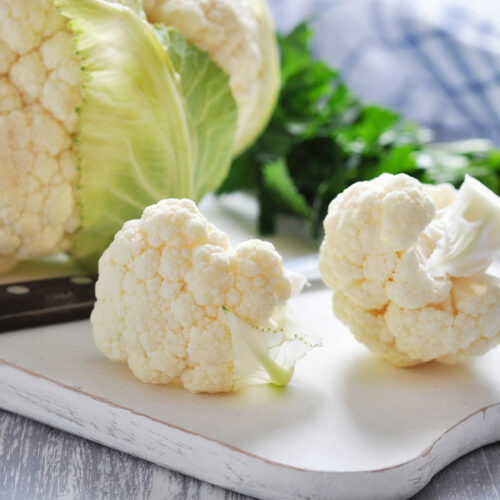
Food habits and choices have a direct impact on one’s overall well-being. Overeating certain unhealthy foods can directly impact many organs, including the kidney, heart, and stomach. For example, a person with a chronic kidney condition should keep a close eye on regular meals to avoid worsening the condition and stay active. These poor eating habits may eventually lead to health problems. Here are some of the best foods to treat chronic kidney conditions and other nutritional tips for a healthy lifestyle. Best foods for kidney conditions Cauliflower This cruciferous vegetable is high in vitamin C and is a good source of fiber and folate. It also contains indoles, glucosinolates, and thiocyanates, which help the liver neutralize harmful chemicals that may damage cell membranes and DNA. It can be served steamed, boiled, or raw with a dip. It can also be tossed in a salad with spices such as turmeric, curry powder, pepper, and herb seasonings. Cauliflower can be combined with spaghetti or mashed as a dialysis meal replacement for mashed potatoes. 1/2 cup of cooked cauliflower contains 9 mg of sodium, 88 mg of potassium, and 20 mg of phosphorus. Onions Onion is a common condiment in many prepared dishes, and it contains sulfur compounds that give it its pungent aroma.

9 supplements that help deal with eczema

9 supplements that help deal with eczema
Eczema is a prevalent skin condition that causes redness, itchiness, and inflammation. It can affect the face, hands, or feet, in addition to other body parts. The most prevalent form of eczema affects almost one out of five children and adults in the country. In some cases, it can be excruciating for both baby and mom and challenging to treat. This article will explain these causes so we can learn more about eczema. Vitamin D Vitamin D3 is a fat-soluble vitamin that plays a role in cell growth, bone health, and the immune system. It is also known as cholecalciferol. Vitamin D3 can be found in foods like salmon and tuna (fresh fish), but it is more challenging to get from a vegetarian or vegan meal plan. For example, eggs contain vitamin D2 instead of D3; dairy products like yogurt are fortified with this nutrient; fortified cereals may have less than 5% of the daily value for adults. Fish oil In studies published by respected medical journals such as The Journal Of Allergy And Clinical Immunology, fish oil is an excellent supplement that alleviates pain and suffering through eczema. Omega-3 fatty acids are essential for the skin because they help to reduce inflammation.

Our
Blog.

Managing kidney health – Best and worst foods

Managing kidney health – Best and worst foods

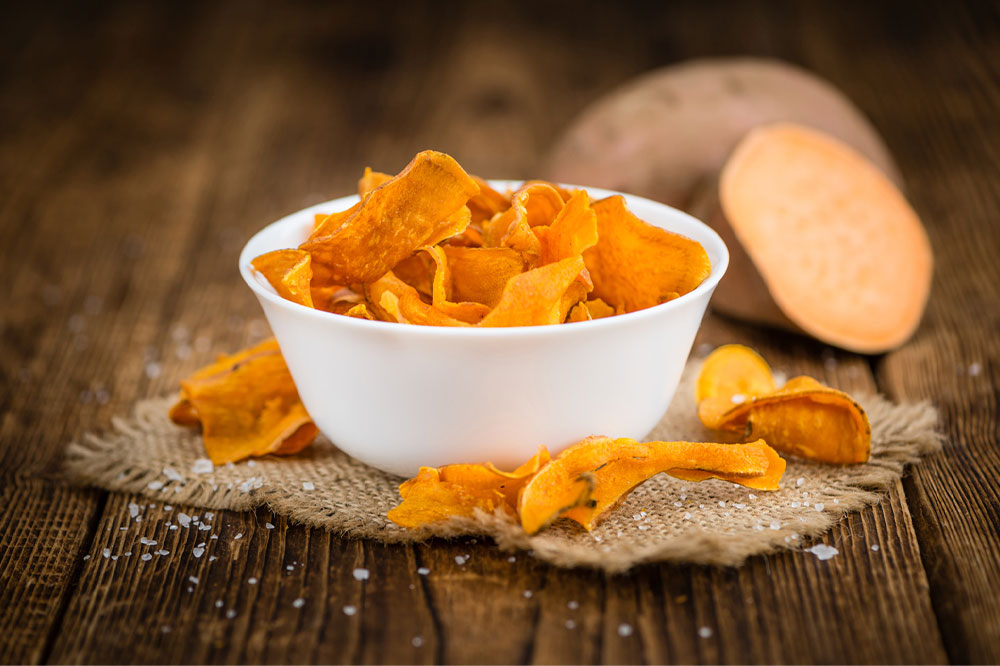
The kidneys are bean-shaped organs that are responsible for important bodily functions, like producing hormones, removing waste through urine, filtering blood, balancing minerals, and maintaining fluid balance. But, according to the American Kidney Fund, more than 1 in 7 adults in the country are affected by chronic kidney diseases. So, it is important to maintain kidney health by making better lifestyle choices and opting for foods that support kidney health. Food and kidney health The kidneys have multiple tiny blood vessels that help filter and eliminate excess water and waste from the body. If one is affected by chronic kidney diseases, the kidneys cannot filter blood, leading to the accumulation of waste in the body. Hypertension and diabetes are some of the leading causes of kidney disease. So, a healthy food plan can help prevent and manage these conditions by removing excess sodium, phosphorus, or potassium. Additionally, some foods should be limited or avoided to prevent further kidney damage. Best foods for kidney health Sweet potatoes: Sweet potatoes are similar to white potatoes but have excess fiber, which the body can take longer to break down, resulting in less of a spike in insulin levels in the body. Additionally, sweet potatoes contain various nutrients and minerals that may help balance the sodium and reduce its effect on the kidneys.
Read More
11 useful tips for anxiety management

11 useful tips for anxiety management

Nearly 84% of participants in a particular mental health survey were said to have some form of anxiety. The severity of symptoms did vary from person to person, but the fact remains that we live in a world where almost everything is a potential trigger for anxiety. And living in denial about having a psychological trigger only worsens the problem. Luckily, it is possible to manage anxiety by following the suggestions recommended by experts. Identify the triggers Anxiety is mainly triggered due to an event or episode where one finds themselves in a difficult position. It could be something that puts a person out of their comfort zone. Doctors advise people to identify these triggers and avoid them. Any comment, action, or situation that did not work out in favor triggers anxiety. So, make a list of such events and instances and ignore them the next time something happens related to that event. At the same time, try to remain positive as it can help strengthen the mind to manage anxiety better. Keep busy Distraction is one of the simplest ways to prevent a panic or anxiety attack. You can perform simple chores or indulge in a favorite task to stay physically and mentally occupied for a few hours.
Read More