

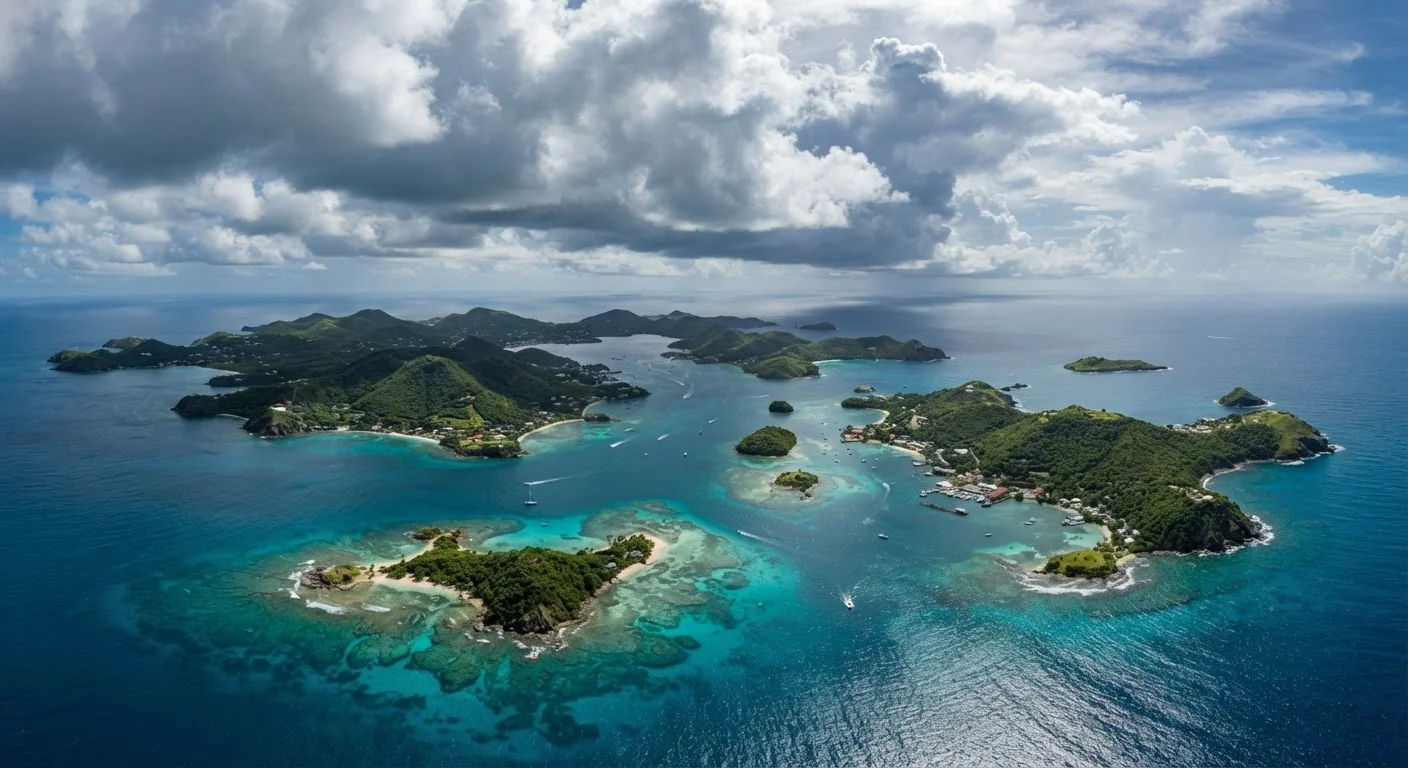
Key Takeaways
The Caribbean Is a Region, Not a Resort
When travelers say they want to visit the Caribbean, they often picture a single type of experience: turquoise water, warm weather, and a beach. What they're actually describing is a region that spans more than 30 independent nations and territories, encompasses multiple languages, and reflects centuries of distinct colonial, Indigenous, and immigrant histories.
That gap between expectation and reality is where trip-planning mistakes begin. Understanding the Caribbean as a diverse collection of individual places — rather than one interchangeable destination — is the first step toward a trip that actually delivers what you're hoping for.
Treating the entire Caribbean as a single, uniform destination.
Why it happens: Marketing campaigns and cruise brochures often group all Caribbean islands under one appealing umbrella, obscuring how genuinely different each island is.
Assuming all islands have the same language and share a common culture.
Why it happens: Many travelers know the Caribbean primarily through English-language tourism materials, which underrepresents French-, Spanish-, and Dutch-speaking islands.
Judging an entire island based on a single cruise port stop.
Why it happens: Cruise itineraries are designed for efficiency, not depth. Port towns are often atypical of the broader island experience, yet many travelers form lasting impressions from just a few hours ashore.
Overlooking how dramatically terrain and climate vary across islands.
Why it happens: The word 'Caribbean' conjures one image — white sand, calm water — when in reality the region includes mountainous volcanic islands, rainforests, desert coastlines, and flat coral atolls.
Applying the same safety assumptions to every island.
Why it happens: Travelers sometimes extend safety perceptions from one island — positive or negative — to the entire region without verifying conditions on the specific island they plan to visit.
Why Getting This Right Matters for Your Trip
Misreading the Caribbean doesn't just lead to mild disappointment. It can result in the wrong packing list (a volcanic island like Dominica involves serious hiking terrain, not just beach lounging), missed cultural experiences, or logistical friction when entry requirements differ from what you assumed.
Entry Requirements Vary by Island
Each Caribbean nation sets its own visa and passport rules, and these can differ significantly from neighboring islands. U.S. citizens, for example, face different entry requirements in Cuba than in Jamaica or Martinique. Always consult official government sources — such as the U.S. Department of State travel pages — and the destination country's immigration authority before booking.
The good news is that correcting these misreads requires only a modest amount of upfront research. A well-structured itinerary built around what a specific island actually offers will serve you far better than a generic 'Caribbean vacation' built on assumptions.
For travelers who want to go even further, learning how to read destination information critically — weighing tourism board content against on-the-ground accounts — can help you build a genuinely accurate picture of any Caribbean island before you arrive.
30+
Sovereign nations and territories in the Caribbean
According to the United Nations, the Caribbean region includes more than 30 distinct political entities, each with its own governance, culture, and entry rules.
4
Major official languages spoken across the islands
English, Spanish, French, and Dutch are all official languages of various Caribbean nations, reflecting the region's layered colonial history.