
Key Takeaways
Eczema (Atopic Dermatitis)
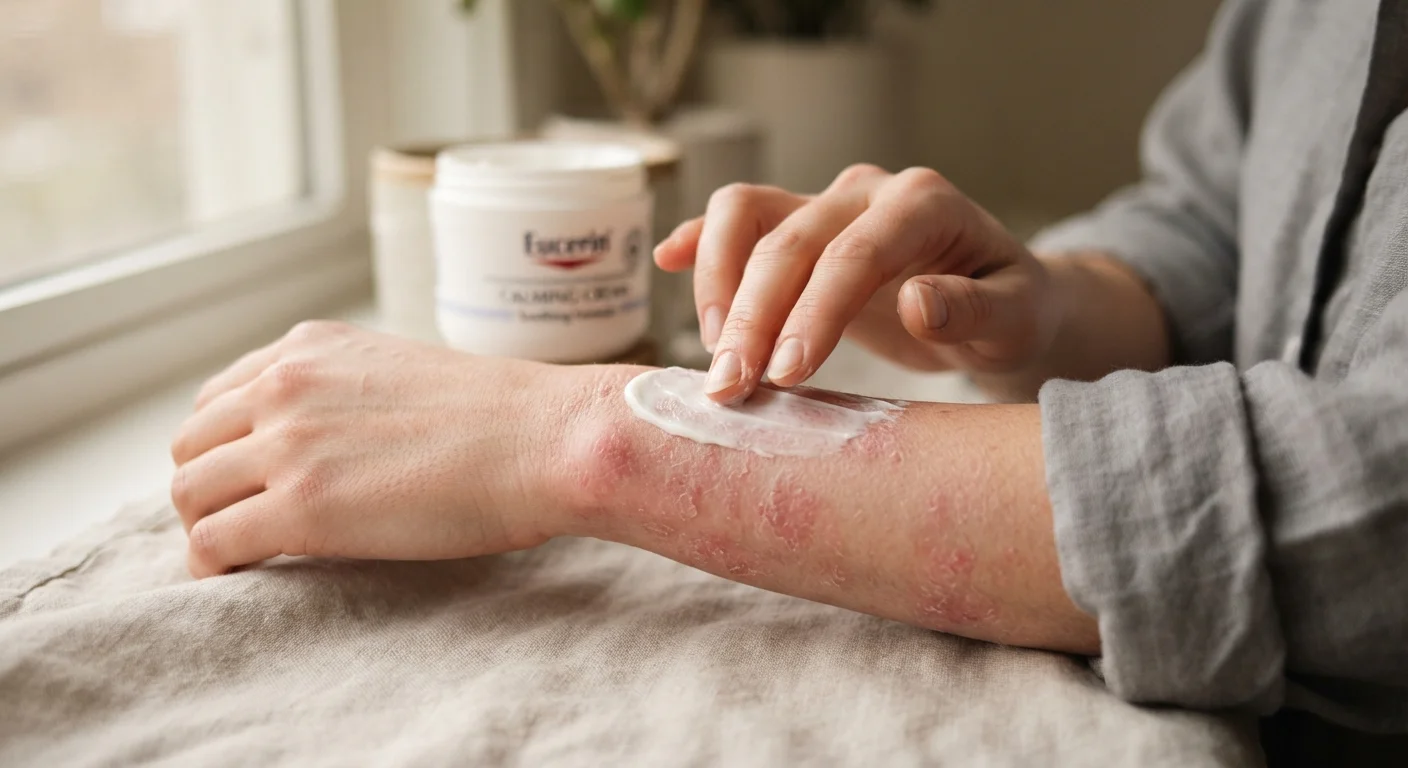
Eczema is a chronic skin condition that causes patches of skin to become inflamed, itchy, red, and sometimes cracked or blistered. It tends to follow a cycle of flare-ups — periods when symptoms worsen — followed by remission, when the skin calms and looks nearly normal. It is not contagious, and it is not caused by poor hygiene. The condition is rooted in the way the immune system and skin barrier function together.
Atopic dermatitis, the most common form of eczema, involves a dysfunction in the skin's barrier proteins (notably filaggrin) and an overactive Th2 immune pathway that drives chronic inflammation.
How Eczema Works: The Skin Barrier and Immune System
Healthy skin acts as a sealed barrier — keeping moisture in and environmental irritants out. In people with eczema, this barrier has structural gaps, largely due to genetic variations affecting proteins like filaggrin that normally hold skin cells tightly together. These gaps allow moisture to escape and allow allergens, bacteria, and irritants to penetrate deeper layers of skin than they otherwise would.
Once irritants get in, the immune system responds — sometimes aggressively. In eczema-prone skin, the immune response tends to over-react, producing inflammation that causes the characteristic redness, swelling, and itch. This itch-scratch cycle is itself damaging: scratching worsens the barrier breakdown, inviting more irritants and perpetuating the flare.
What Triggers a Flare-Up
Triggers vary from person to person, which is part of why eczema can feel unpredictable. That said, several categories of triggers are widely recognized:
- Environmental irritants: Soap, detergent, cleaning products, and fragrances can strip or penetrate a compromised skin barrier.
- Allergens: Pet dander, dust mites, mold, and pollen are common environmental allergens that can provoke immune responses in the skin.
- Temperature and humidity: Both cold, dry air (which dehydrates skin) and heat (which causes sweating) are frequent triggers.
- Stress: Psychological stress raises cortisol and activates immune pathways that can worsen inflammation.
- Fabrics: Wool and synthetic fabrics can physically irritate sensitive skin, while loose cotton tends to be better tolerated.
- Skin infections: Bacteria like Staphylococcus aureus colonize eczema skin more readily and amplify the inflammatory response.
Why Eczema Calms Down Again
Remission — when the skin settles and symptoms fade — happens when inflammatory signals quiet down and the skin barrier partially recovers. This can occur naturally over time, or it can be supported by treatment. Moisturizing regularly helps restore the barrier function, reducing the entry points for irritants. Topical anti-inflammatory treatments, prescribed by a healthcare provider, can help interrupt the inflammatory cycle during flares.
Remission is not a cure. The underlying genetic and immune factors remain. Think of it less as the condition disappearing and more as the immune system returning to a calmer baseline — where it stays until the next significant trigger pushes it over the threshold again.
Living With the Cycle
Understanding that eczema is cyclical — not random — can reduce the frustration of flares. Keeping a simple diary of flare timing alongside potential exposures (new products, stress events, diet changes, weather) can help identify personal trigger patterns over weeks or months.
Consistent daily skin care during remission is just as important as treatment during a flare. Applying a fragrance-free moisturizer when skin is calm helps maintain barrier integrity, making it harder for the next trigger to gain a foothold.
This article provides general health information for educational purposes only. It is not a substitute for professional medical advice, diagnosis, or treatment. If you are experiencing skin symptoms, consult a qualified healthcare provider for personalized guidance.