Key Takeaways
Start here
What Is Sleep Apnoea?
Next
Common Causes and Risk Factors
Then
Recognizing the Symptoms
When you're ready
How Sleep Apnoea Is Diagnosed
Finally
Why Early Identification Matters
What Is Sleep Apnoea?
Sleep apnoea is a condition in which breathing repeatedly stops and restarts during sleep. Each pause — called an apnoea — can last from a few seconds to over a minute and may occur dozens or even hundreds of times per night. The brain and body receive less oxygen than they need, and sleep quality deteriorates even if the person has no memory of waking.
There are three recognized types. Obstructive sleep apnoea (OSA) is by far the most common: the muscles at the back of the throat relax too much, causing the airway to narrow or close. Central sleep apnoea is less common and involves the brain failing to send the correct signals to the muscles that control breathing. A third type, complex sleep apnoea syndrome, combines features of both.
This guide focuses primarily on OSA because it accounts for the large majority of cases seen in clinical practice.
Common Causes and Risk Factors
OSA develops when the upper airway collapses during sleep. Several factors increase the likelihood of this happening:
- Excess weight around the neck: Fatty tissue can narrow the airway and increase the pressure on it when lying down.
- Anatomy: A naturally narrow airway, enlarged tonsils or adenoids, or a recessed chin can restrict airflow.
- Age: Muscle tone in the throat tends to decrease with age, making collapse more likely in older adults.
- Sex: Men have a higher prevalence, though women's risk increases after menopause.
- Alcohol and sedatives: These relax throat muscles further, worsening obstruction.
- Smoking: Increases inflammation and fluid retention in the airway.
- Nasal congestion: Chronic stuffiness from allergies or structural issues forces mouth breathing, which is less stable.
Having one or more of these factors does not confirm a diagnosis — it simply raises the likelihood that a clinician would consider sleep apnoea worth investigating.
Recognizing the Symptoms
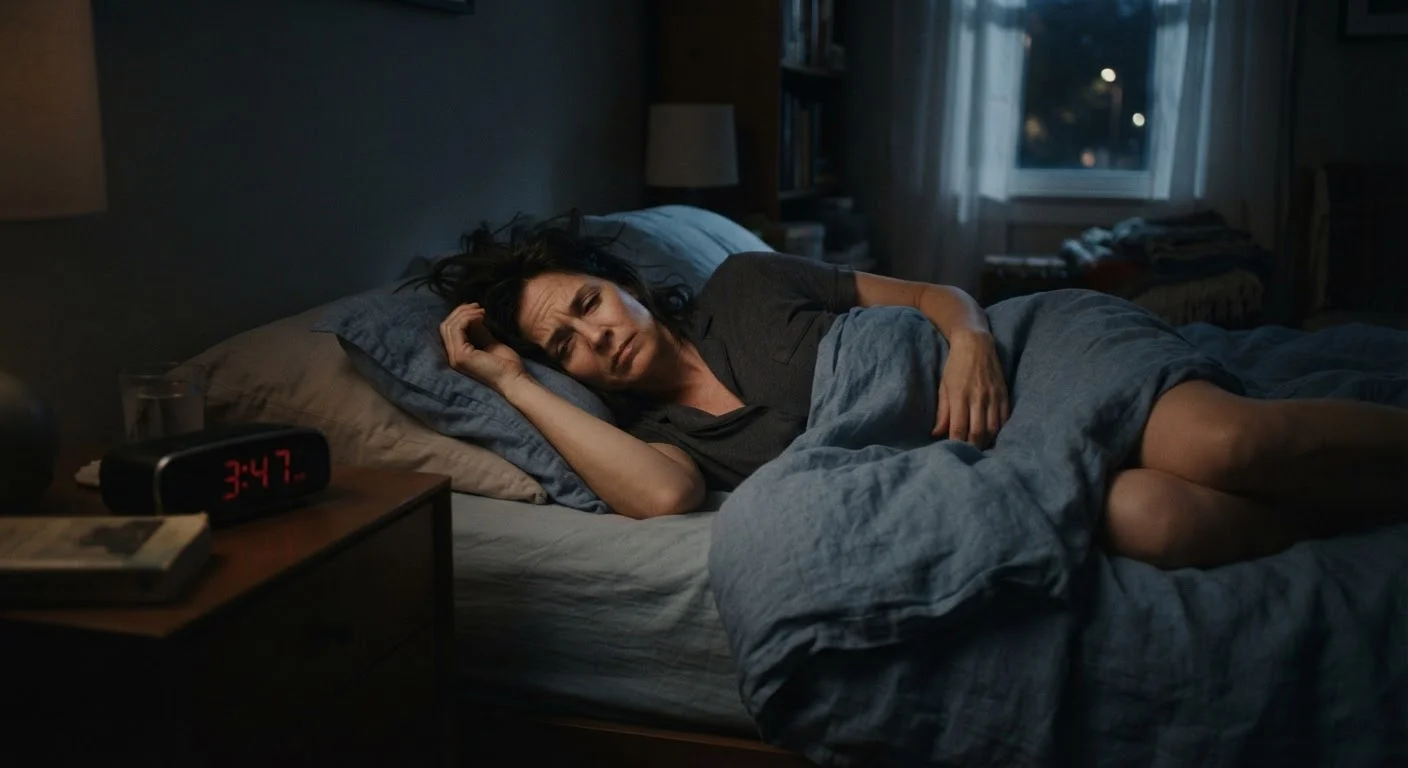
The challenge with sleep apnoea is that its most disruptive events happen while you are unconscious. A bed partner or roommate is often the first to notice. Key symptoms include:
- Loud, frequent snoring, sometimes punctuated by gasps or choking sounds
- Observed pauses in breathing during sleep
- Waking with a headache, dry mouth, or sore throat
- Excessive daytime sleepiness, even after a full night in bed
- Difficulty concentrating, memory lapses, or mood changes
- Waking frequently to urinate (nocturia)
It is worth noting that not everyone with sleep apnoea snores loudly, and not all loud snorers have sleep apnoea. Daytime fatigue that cannot be explained by other causes is sometimes the most telling clue, particularly in women, who may not present with the classic loud-snoring picture.
Keep a Simple Sleep Log Before Your Appointment
Before seeing a doctor, spend one to two weeks noting how long you sleep, how rested you feel on waking, and any symptoms like headaches or daytime sleepiness. If possible, ask a bed partner to note snoring or observed breathing pauses. This brief record gives your clinician concrete information to work with and can shorten the diagnostic conversation considerably.
How Sleep Apnoea Is Diagnosed
If a clinician suspects sleep apnoea based on your history and symptoms, the next step is a sleep study — the only way to confirm the diagnosis objectively.
In-laboratory polysomnography is conducted overnight at a sleep center. Sensors monitor brain activity, eye movement, heart rate, blood oxygen levels, airflow, and body movement simultaneously. It provides detailed data and is considered the gold standard for complex or unclear cases.
Home sleep apnoea testing (HSAT) uses a simplified portable device you wear overnight in your own bed. It typically measures airflow, breathing effort, and blood oxygen. HSATs are often appropriate for straightforward cases and are more convenient, though they capture less data and may miss certain patterns.
Results are interpreted using a metric called the apnoea-hypopnoea index (AHI) — the average number of breathing interruptions per hour. Clinicians generally classify severity as mild (5–14 events/hour), moderate (15–29), or severe (30 or more). Your doctor will explain what the result means for your specific situation and discuss appropriate next steps.
This article is general health information, not a substitute for a professional medical evaluation. If you or a partner notice consistent symptoms, speak with a qualified healthcare provider.
Why Early Identification Matters
Sleep apnoea is common and underdiagnosed — many people spend years attributing their fatigue to stress or aging without realizing there is an identifiable and treatable cause. Identifying it early matters for several reasons.
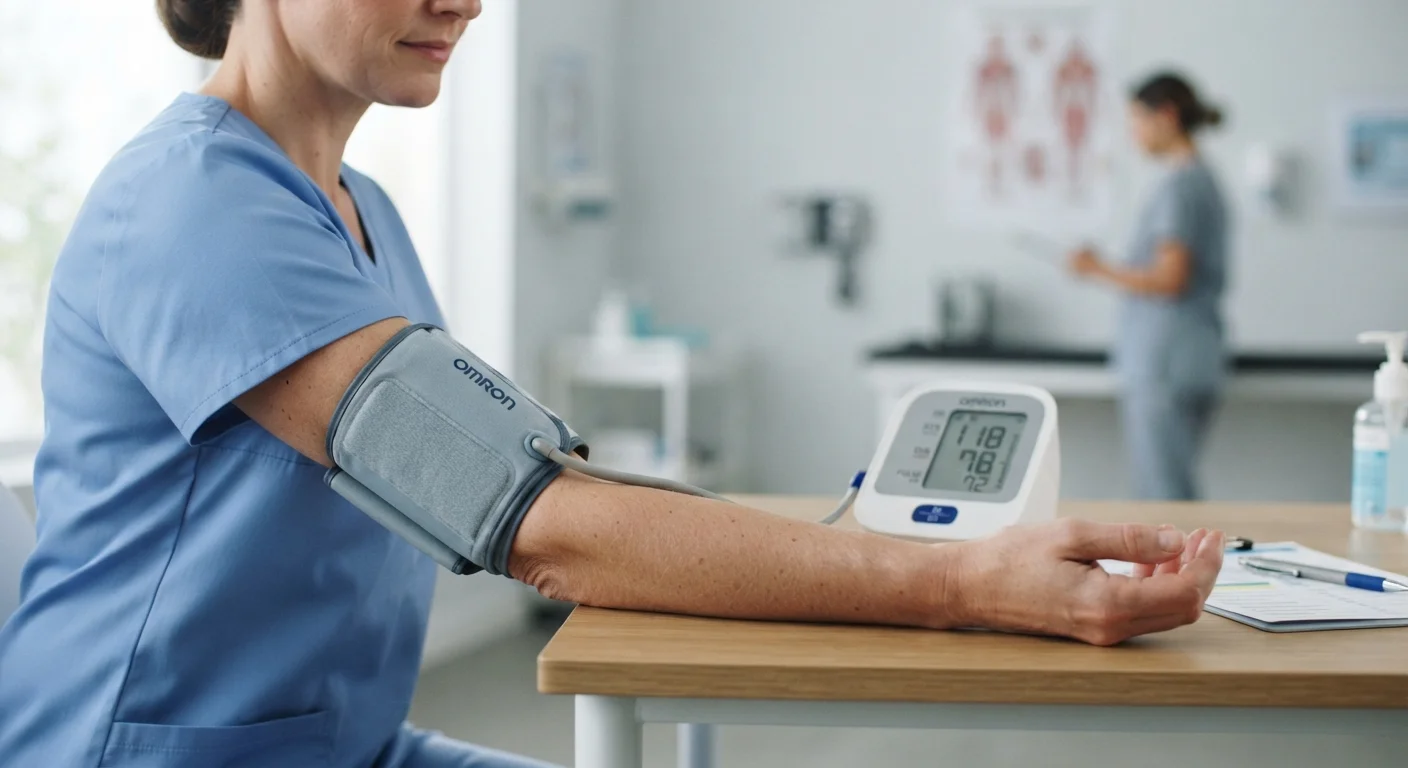
Repeated oxygen dips place chronic stress on the cardiovascular system. Research links untreated OSA to elevated blood pressure, increased risk of atrial fibrillation, and a higher likelihood of stroke. Beyond the heart, fragmented sleep impairs glucose metabolism, mental health, and reaction times — with real consequences for workplace performance and driving safety.
Effective management options exist and can meaningfully improve quality of life; a healthcare provider can walk through what is appropriate based on severity and individual circumstances. If sleep concerns extend to younger members of your household, the principles in our guide to building healthy sleep habits in children under five offer evidence-informed context for that age group.
The first step is straightforward: if the symptoms described in this article sound familiar, raise them at your next appointment. A brief conversation with a clinician can determine whether further investigation is worthwhile.
Sleep Apnoea Is Not Only an Adult Concern
While the condition is most discussed in middle-aged and older adults, children can also develop obstructive sleep apnoea, most commonly due to enlarged tonsils or adenoids. Symptoms in children often look different from the adult pattern and can include behavioral changes, poor school performance, or restless sleep rather than obvious snoring. Any concerns about a child's sleep should be directed to a pediatrician.