
Key Takeaways
Option A
Irritable Bowel Syndrome (IBS)
A functional gut disorder affecting how the bowel works.
Best for: Understanding a condition where the gut is structurally normal but functions abnormally, causing chronic discomfort.
Option B
Inflammatory Bowel Disease (IBD)
A chronic inflammatory disease causing measurable damage to the digestive tract.
Best for: Understanding a condition involving immune-driven inflammation that can permanently injure the bowel.
If you experience bloating, cramping, and changed bowel habits with no blood
Discuss IBS with your doctor
These symptoms are more commonly associated with IBS, though a healthcare provider must rule out other conditions before any diagnosis is made.
If you notice blood in your stool, unintended weight loss, or fever
Seek prompt medical evaluation for possible IBD
These are red-flag symptoms that may indicate IBD or another serious condition requiring urgent clinical assessment.
If you want to understand the difference before a doctor's appointment
Review both conditions
Knowing the key distinctions helps you describe your symptoms clearly and ask better questions during your consultation.
Why People Confuse IBS and IBD
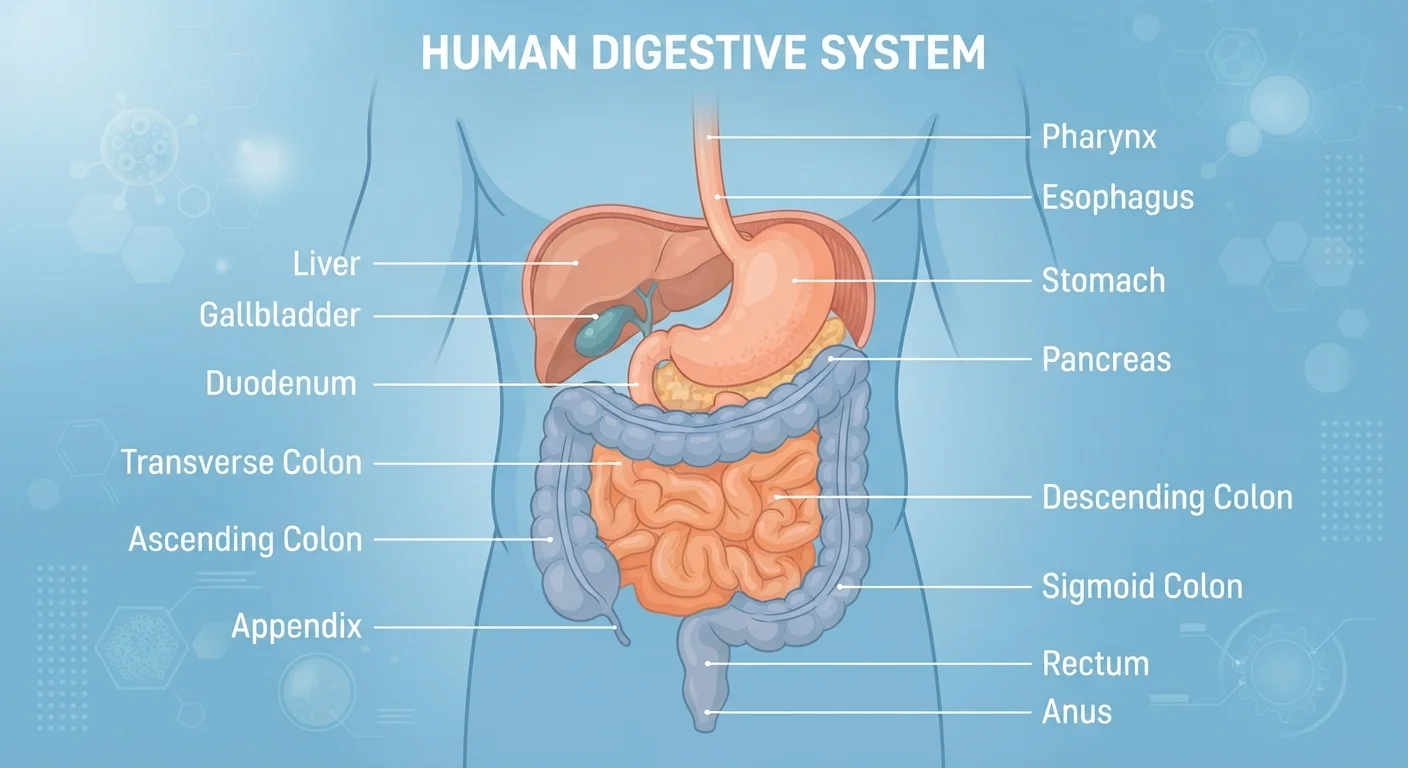
The names sound nearly identical, and both conditions live in the same neighborhood — the gut. Cramping, changes in bathroom habits, and abdominal discomfort appear in both. That overlap is exactly why so many people, and even some non-specialist clinicians early in an evaluation, can initially conflate the two.
But IBS (irritable bowel syndrome) and IBD (inflammatory bowel disease) are fundamentally different in their causes, their consequences, and how they're managed. Getting the distinction right matters — not just academically, but because the wrong treatment path can delay real relief.
A Note on Shared Symptoms
Because IBS and IBD share symptoms like abdominal pain and altered bowel habits, it's possible — though uncommon — for someone to have both conditions simultaneously. It's also worth knowing that some people with IBD develop IBS-like symptoms even when their inflammation is in remission. This makes professional evaluation essential; symptoms alone are not reliable enough to tell the two apart.
What IBS Actually Is
IBS is classified as a functional gastrointestinal disorder. That means the gut's structure looks completely normal under a scope or on imaging — there's no visible damage or inflammation — but it doesn't work the way it should. The communication between the brain and the gut is disrupted, causing the bowel to be hypersensitive or to move contents too quickly or too slowly.
Common symptoms include abdominal cramping, bloating, and bowel habits that swing between diarrhea and constipation (or lean heavily toward one). Symptoms are often triggered by stress, certain foods, or hormonal shifts. Crucially, IBS does not cause bloody stools, does not damage the intestinal lining, and does not raise the risk of colorectal cancer.
Estimates suggest IBS affects roughly 10–15% of adults in the United States, making it one of the most common gastrointestinal diagnoses. It is diagnosed largely by ruling out other conditions and by applying established clinical criteria (such as the Rome IV criteria used by gastroenterologists).
What IBD Actually Is
IBD is an umbrella term for chronic conditions involving real, measurable inflammation of the digestive tract. The two main forms are Crohn's disease and ulcerative colitis. Unlike IBS, IBD involves an immune system malfunction — the body's defenses attack the lining of the gut, causing sores, ulcers, and tissue damage. This is why IBD is considered an autoimmune-related condition. For more on how immune dysfunction drives a range of diseases, see our overview of autoimmune conditions.
IBD symptoms can include bloody diarrhea, persistent abdominal pain, unintended weight loss, fatigue, and fever. Because it causes structural damage, IBD can be confirmed — and monitored — through blood tests showing inflammation markers, stool tests, imaging, and colonoscopy revealing visible injury to the bowel wall.
Over time and without adequate management, IBD can lead to serious complications including bowel strictures, fistulas, and an elevated risk of colorectal cancer in some patients.
| Criterion | IBS | IBD |
|---|---|---|
| Type of condition | Functional disorder | Inflammatory / immune-mediated disease |
| Visible gut damage | None | Yes — ulcers, sores, tissue injury |
| Blood in stool | Rarely or never | Common, especially in ulcerative colitis |
| Detectable on lab tests | No specific biomarker | Elevated CRP, fecal calprotectin |
| Cancer risk increase | No | Yes, with long-standing disease |
| Main subtypes | IBS-D, IBS-C, IBS-M | Crohn's disease, ulcerative colitis |
| Typical treatment focus | Diet, stress management, symptom relief | Anti-inflammatory and immune-modulating medications |
Diagnosis and What to Do Next
Neither condition should be self-diagnosed. A doctor will typically start with a thorough symptom history, blood and stool tests, and may refer you to a gastroenterologist for endoscopy or colonoscopy. Inflammatory markers like C-reactive protein (CRP) and fecal calprotectin are often elevated in IBD but not in IBS — a key diagnostic clue.
Treatment differs significantly. IBS management often focuses on dietary adjustments (such as a low-FODMAP diet under dietitian guidance), stress management, and medications targeting specific symptoms like cramping or altered motility. IBD treatment typically involves medications that reduce immune-driven inflammation — including aminosalicylates, corticosteroids, or biologic therapies — and sometimes surgery.
If you're experiencing persistent or worsening gut symptoms, the most important step is to speak with a healthcare provider. Symptoms like blood in the stool, significant weight loss, or nighttime symptoms that wake you from sleep are red flags that warrant prompt attention.
This article is for general informational purposes only and is not a substitute for professional medical advice, diagnosis, or treatment. Always consult a qualified healthcare provider regarding any symptoms or health concerns.