

Key Takeaways
Dietary Sodium
Dietary sodium is the form of sodium most people consume through food — primarily as sodium chloride, or table salt. It's an essential mineral the body needs in small amounts to regulate fluid balance, nerve function, and muscle contraction. However, most Americans consume far more than their bodies require, largely through processed and restaurant foods rather than home cooking.
The Dietary Guidelines for Americans recommend limiting sodium to less than 2,300 milligrams per day for adults, though the average American consumes roughly 3,400 mg daily according to the CDC.
The Salt Shaker Myth
Ask most people where their sodium comes from and they'll point to the salt shaker on the table. It's an understandable assumption — but it's largely wrong. Research from the Centers for Disease Control and Prevention (CDC) consistently shows that roughly 70% or more of the sodium Americans consume comes from processed, packaged, and restaurant foods. Only a small percentage comes from salt added during cooking or at the table.
This distinction matters because it shifts where meaningful change can actually happen. Skipping the salt shaker while regularly eating deli sandwiches, canned soups, and fast food leaves the bulk of your sodium intake untouched.
3,400 mg
Average daily sodium intake for U.S. adults
According to the CDC, this is nearly 50% above the recommended limit of 2,300 mg per day.
>70%
Share of sodium from processed and restaurant foods
CDC data consistently shows the vast majority of dietary sodium comes from packaged and prepared foods, not home cooking.
Top 10
Food categories responsible for most U.S. sodium intake
The CDC's sodium reduction initiative identifies bread, pizza, deli meats, soups, and snacks as the leading contributors nationally.
The Real Culprits: Everyday Foods High in Sodium
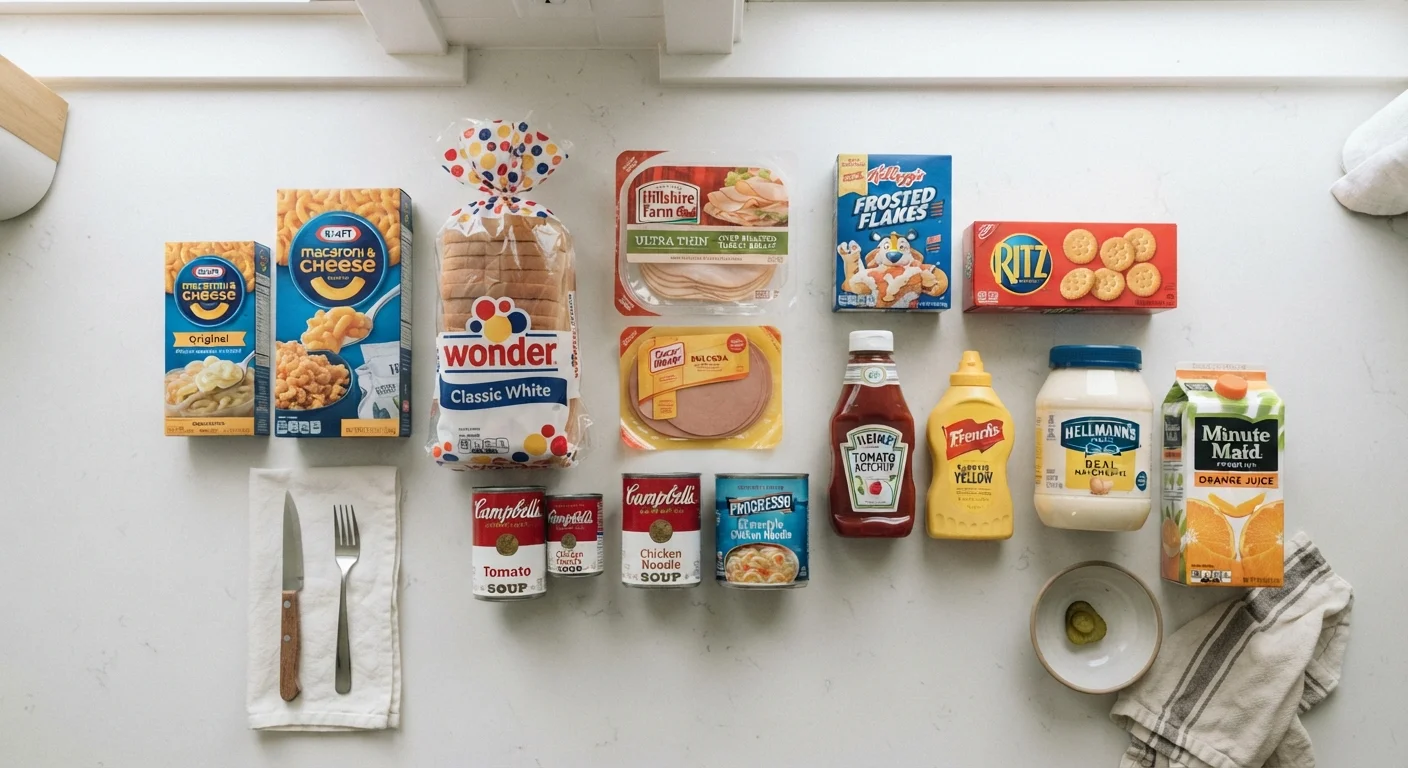
The foods contributing the most sodium to the American diet aren't necessarily what you'd expect. Many are everyday staples that don't taste particularly salty:
- Bread and rolls: A single slice of sandwich bread can contain 100–180 mg of sodium. Because Americans eat bread multiple times a day, it ranks near the top of sodium sources nationally.
- Deli and cured meats: A few slices of deli turkey or ham can deliver 400–700 mg of sodium — before any condiments.
- Pizza: Between the crust, sauce, cheese, and toppings, a single slice can easily contain 600–900 mg.
- Canned soups and broths: A standard can of soup often contains 800–1,200 mg of sodium — sometimes in a single serving.
- Condiments and sauces: Soy sauce, ketchup, salad dressings, and hot sauce add up quickly with regular use.
- Savory snacks: Chips, crackers, and pretzels are obvious sodium sources, but portion sizes are easy to exceed.
Why Food Manufacturers Add So Much Sodium
Sodium isn't just added for flavor. It serves multiple functional roles in food production: it acts as a preservative, extends shelf life, improves texture, and enhances the perception of other flavors. This makes it deeply embedded in the industrial food system, not just a seasoning choice.
Restaurant meals present a similar challenge. Kitchens rely on sodium-heavy ingredients — stocks, sauces, marinades, and seasoning blends — built up across multiple preparation steps, so a single restaurant entrée can contain a full day's worth of recommended sodium or more.
Compare Labels Before You Buy
Sodium content in similar products can vary by hundreds of milligrams between brands. For example, two different canned diced tomatoes or chicken broths may have dramatically different sodium levels. Spending a few seconds comparing labels at the grocery store is one of the highest-impact habits you can build for sodium awareness.
Practical Steps for Lowering Your Sodium Intake
Reducing sodium doesn't require a dramatic dietary overhaul. Small, consistent changes tend to be the most sustainable:
- Read Nutrition Facts labels before buying packaged foods. Compare brands — sodium content for similar products can vary widely.
- Choose lower-sodium versions of staples like canned beans, broth, and tomato products when available.
- Cook at home more often. Even simple meals made from whole ingredients give you direct control over sodium.
- Limit restaurant meals or ask for sauces and dressings on the side.
- Let your palate adjust. Taste preferences for saltiness do shift over weeks when sodium intake is gradually reduced.
This article is for general informational and educational purposes only and is not a substitute for professional medical or dietary advice. If you have questions about your sodium intake or blood pressure, please consult a qualified healthcare provider.