Acute seizures and seizure cluster – Definition, differences, and management

Acute seizures and seizure cluster – Definition, differences, and management
Seizures are a type of episodic neurological condition usually triggered when there is abnormal electrical activity in the brain. The condition’s cause, intensity, and form differ from case to case. Acute seizures and seizure clusters affect millions of people, but with advancements in healthcare, there are numerous ways to manage them. However, it is tricky to manage, especially since the condition involves sudden onsets and requires due diligence on the part of the patient. Definition of and difference between acute seizures and seizure cluster Both these conditions stem from abnormal electrical signals between the brain that affect one’s muscular or bodily control, alter consciousness, cause muscular contractions, and disturbances in the senses. It can also lead to hallucinations or other cognitive impairments. Acute seizures are usually intense in nature, and their symptoms affect the person’s quality of life in a major way. Mostly, an individual seizure can be brief and spontaneous, lasting from a few seconds to a few minutes. They can either occur as isolated events and may not necessarily have a pattern. Epilepsy, brain injury, infections, metabolic imbalances are all potential causes of acute seizures. People who already suffer from refractory epilepsy tend to typically develop seizure clusters.


9 easy and effective ways to cut back on sugar

9 easy and effective ways to cut back on sugar
Uncontrolled sugar intake can pose many risks to the human body’s healthy functioning in the long run. Due to busy schedules, many people opt for packaged foods as their food items, and not to mention desserts are always a source of joy. Therefore, avoiding sugar from one’s daily meal plan is hard. However, there are many ways in which a person can ensure that their daily sugar intake is under control. Going through product labels Earlier, food labels would indicate the number of carbohydrates, fats, proteins, sugars, and vitamins a particular food carries. However, recent amendments mandate brands to specify in such labels the amount of added sugar each packet contains. It gives a customer a clearer picture of where the sugar is coming from. Furthermore, it allows us to know whether or not the food we eat is naturally sweet or made so. The added sugar section of food labels helps us identify the actual quantity of sugar we are taking in and help us find alternatives that are healthier for our mind and body. Avoiding sugar in drinks Beverages are one of the most common sources of excessive sugar intake. It is postulated that a single can of soft drink packs about ten spoonfuls of sugar, which is higher than the recommended quantity permitted daily.

Top 5 foods for managing osteoporosis

Top 5 foods for managing osteoporosis
Consuming healthier food rich in vitamin D, calcium, and other minerals is necessary for the health of your bones and body. You should be able to receive all the nutrients in a well-balanced meal that includes plenty of dairy, seafood, fruits, and vegetables. But, if you’re not receiving these foods, you may need to supplement your meal plan with multivitamins or other treatment methods. This write-up will help you identify suitable foods for managing osteoporosis. What is osteoporosis? Osteoporosis makes an individual’s bones brittle and weak, making them fragile, where minor movements like coughing or bending over can break them. Osteoporosis is the cause of frequent wrist, hip, and spine fractures. As you know, bone is a living tissue that undergoes continuous transformation, deterioration, and replacement. Osteoporosis is developed when the production of new bone is insufficient to balance the loss of existing bone. Symptoms of osteoporosis At the early stages of bone loss, no symptoms are seen. Gradually your body starts to exhibit severe signs of osteoporosis. A person with osteoporosis may experience the following signs and symptoms after developing it: Collapse resulting in back pain or vertebral fracture Height decline with time A hunched position Frequent bone fractures Top 5 foods that help manage osteoporosis Protein and calcium are crucial in maintaining bone health as they are vital to bone tissue.

10 healthy habits that help with psoriasis management

10 healthy habits that help with psoriasis management
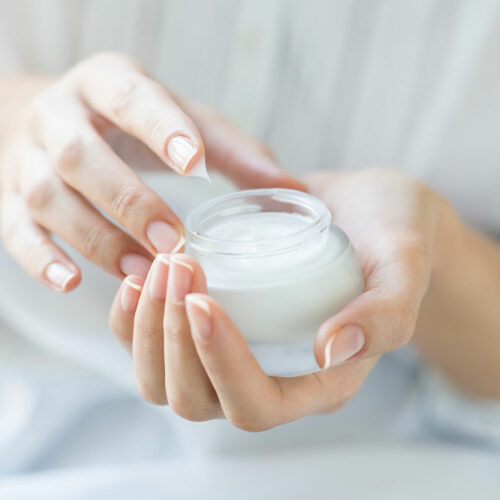
Taking care of one’s overall health can ensure a wholesome life. However, various factors, such as age and genetics, can possibly trigger health complications, affecting one’s quality of life. Psoriasis is one such skin condition that causes a rash with scaly, itchy patches commonly noticed on the elbows, knees, trunk, and scalp. While there are treatments to manage psoriasis, one can also try these daily habits to reduce flare-ups. Shower daily One of the leading causes of psoriasis flare-ups is the lack of proper daily hygiene. Therefore, one needs to follow habits such as taking daily baths to keep the symptoms of the skin condition at bay. In the shower, they must gently wash rather than scrub their skin. One must also use lukewarm water and mild soaps with added oils or fats to ensure skin nourishment. Other ways to manage psoriasis during a bath include soaking the skin in bathwater enriched with Epsom salts or oatmeal. Moisturize the skin Psoriasis can flare up when the skin is dry. So an individual with the condition should apply moisturizer regularly to keep their skin moist. They must do this, especially after bathing, by gently pat drying the skin and applying the product while the skin is still moist.

Eczema in babies, kids, and teens – Signs and management

Eczema in babies, kids, and teens – Signs and management
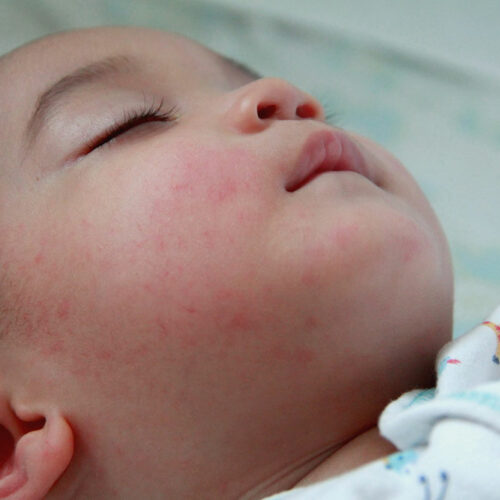
Eczema, or atopic dermatitis, is a common and often chronic skin condition that affects individuals of all ages. However, it can manifest differently in babies, kids, and teenagers. Knowing the signs, symptoms, and effective management strategies for eczema at each developmental stage is crucial for providing relief and improving the quality of life for young individuals and their families. So, here is a brief guide to understanding eczema in babies, kids, and teenagers. Eczema in babies (0-2 years) Eczema in babies, often referred to as infantile eczema, presents unique challenges for parents. While it commonly appears on the cheeks and scalp, it can affect any part of the body. Early signs and symptoms Infantile eczema typically starts with red, itchy, and inflamed patches on the cheeks and scalp. These patches may spread to other areas, such as the arms, legs, and torso. Scratching can worsen the condition, leading to broken skin and potential infections. This can be especially distressing for young infants who are unable to express their discomfort verbally. Causes and triggers The exact cause of eczema in babies is still unknown, but genetics and environmental factors play a significant role in its development. Common triggers include exposure to allergens, irritants like harsh soaps, and changes in temperature or humidity.

12 worst foods for teeth health

12 worst foods for teeth health
A healthy smile plays a big part in one’s appearance. However, many common foods can be detrimental to teeth health, leading to the formation of plaque and cavities. Plaque is a thin, sticky, and invisible layer of bacteria and other substances that contribute to oral health problems such as gum disease and tooth decay. Over time, plaque formation can break down the enamel, and give rise to several dental problems. To prevent these issues, it is important to take proper care of one’s teeth and avoid these 12 foods that can harm teeth health: Candies Candies such as lollipops, mints, and others contain high levels of sugar. Chewing or biting on such hard candies can also cause chips or cracks in one’s teeth, increasing the risk of decay. Further, sour candies contain not only more sugar but also acids. These can be extremely tough on one’s teeth, and lead to enamel erosion. Due to their sticky nature, the candies stay on the teeth for a long time, increasing the risk of tooth decay. It may be safer to switch to chocolate instead of sour candy and rinse the mouth immediately after. Bread When chewed, the starches in bread are broken down into sugars by the saliva.

Our
Blog.

Managing kidney health – Best and worst foods

Managing kidney health – Best and worst foods

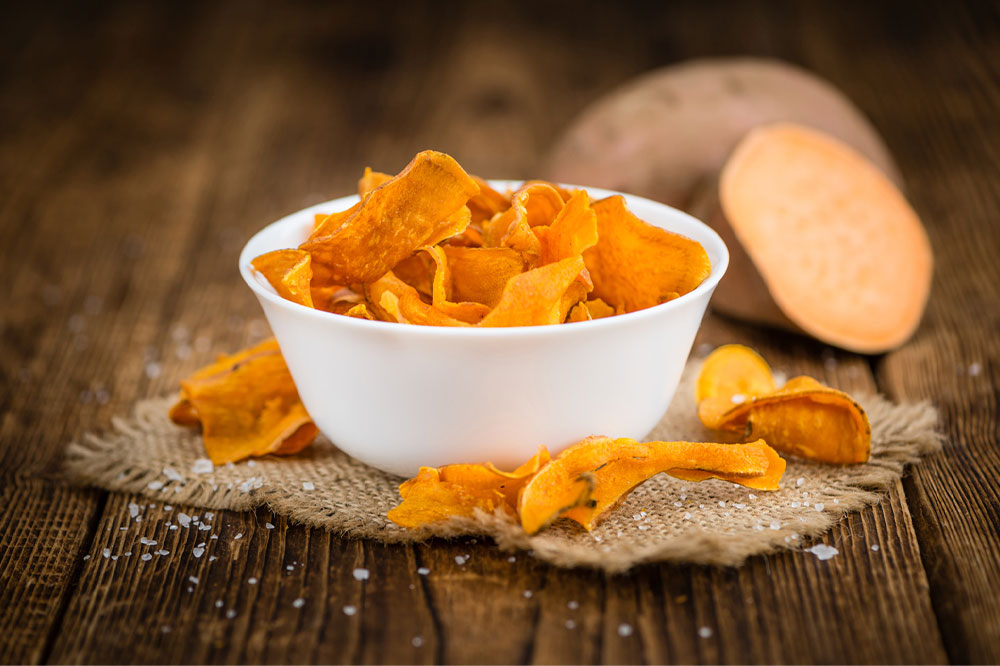
The kidneys are bean-shaped organs that are responsible for important bodily functions, like producing hormones, removing waste through urine, filtering blood, balancing minerals, and maintaining fluid balance. But, according to the American Kidney Fund, more than 1 in 7 adults in the country are affected by chronic kidney diseases. So, it is important to maintain kidney health by making better lifestyle choices and opting for foods that support kidney health. Food and kidney health The kidneys have multiple tiny blood vessels that help filter and eliminate excess water and waste from the body. If one is affected by chronic kidney diseases, the kidneys cannot filter blood, leading to the accumulation of waste in the body. Hypertension and diabetes are some of the leading causes of kidney disease. So, a healthy food plan can help prevent and manage these conditions by removing excess sodium, phosphorus, or potassium. Additionally, some foods should be limited or avoided to prevent further kidney damage. Best foods for kidney health Sweet potatoes: Sweet potatoes are similar to white potatoes but have excess fiber, which the body can take longer to break down, resulting in less of a spike in insulin levels in the body. Additionally, sweet potatoes contain various nutrients and minerals that may help balance the sodium and reduce its effect on the kidneys.
Read More
11 useful tips for anxiety management

11 useful tips for anxiety management

Nearly 84% of participants in a particular mental health survey were said to have some form of anxiety. The severity of symptoms did vary from person to person, but the fact remains that we live in a world where almost everything is a potential trigger for anxiety. And living in denial about having a psychological trigger only worsens the problem. Luckily, it is possible to manage anxiety by following the suggestions recommended by experts. Identify the triggers Anxiety is mainly triggered due to an event or episode where one finds themselves in a difficult position. It could be something that puts a person out of their comfort zone. Doctors advise people to identify these triggers and avoid them. Any comment, action, or situation that did not work out in favor triggers anxiety. So, make a list of such events and instances and ignore them the next time something happens related to that event. At the same time, try to remain positive as it can help strengthen the mind to manage anxiety better. Keep busy Distraction is one of the simplest ways to prevent a panic or anxiety attack. You can perform simple chores or indulge in a favorite task to stay physically and mentally occupied for a few hours.
Read More