Helpful tips for choosing the right bathroom cleaner
Helpful tips for choosing the right bathroom cleaner
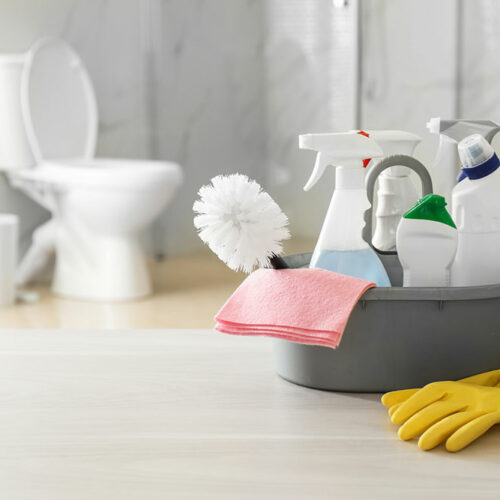
Cleaning and maintaining a hygienic bathroom is a top priority for every homeowner. Among the many bathroom fixtures, the shower requires regular cleaning to prevent the buildup of soap scum and grime. However, with various options available on the market, choosing the right shower cleaner for the bathroom can be a daunting task. To aid the purchasing process, here are some handy tips to keep in mind while buying bathroom shower cleaners. Consider the shower surface The first and most crucial step in choosing a bathroom shower cleaner is to consider the type of surface one has. This is because showers can be made of various materials such as tile, glass, acrylic, or fiberglass. This means different surfaces may require specific types of cleaners to avoid damage. For example, abrasive cleaners may scratch glass surfaces, while harsh chemicals can discolor acrylic or fiberglass. So buyers are suggested to always read the manufacturer’s guidelines and choose a cleaner that is compatible with their shower surface to prevent any unintended damage. Assess the severity of the stains Not all shower stains are created equal. Some showers may have minor soap scum and hard water stains, while others may be plagued with stubborn mold and mildew.


Top 10 mistakes that make food cravings worse

Top 10 mistakes that make food cravings worse
Food cravings are completely normal, as is indulging in them occasionally. However, when food cravings lead to overindulgence, they can be quite harmful. Moreover, battling food cravings becomes even tougher when one is trying to cut down on unhealthy food or switch to a healthier lifestyle. In trying to fight these cravings, one often makes mistakes that can exacerbate them. Here are ten common mistakes that can worsen food cravings and should be avoided: 1. Switching to bland or boring foods When one thinks of switching to healthier food options, they often start incorporating bland food. Thinking that healthy food options need to be bland is a misconception. In fact, when one does not enjoy their food, it only makes them crave better-tasting food even more. So, instead of depriving oneself of taste, focusing on adding flavor and variety to the meals is better. For instance, incorporating spices, herbs, and seasonings can make the dishes more enjoyable. Savoring flavorful meals can then reduce the desire for unhealthy snacks. 2. Skipping meals One of the biggest mistakes individuals often make in their daily routine is skipping meals, especially breakfast. Skipping meals makes one crave food even more. In fact, it leads to intense hunger later in the day, triggering cravings for high-calorie foods because the body needs to get its energy levels back up.

Vasculitis – Types, early signs, and more

Vasculitis – Types, early signs, and more
Vasculitis, or angiitis, is an autoimmune health disorder. It damages the blood vessels due to the severe inflammation that leads to their swelling and hardening. Therefore, the blood is unable to flow smoothly, resulting in organ and tissue damage. Although vasculitis is not preventable, one can delay symptom progression and prevent complications by watching out for the early signs. Here are some of the types, early signs of vasculitis, causes, diagnosis, and treatment options. Types of vasculitis There are more than 30 types of vasculitis. Depending on which blood vessels are affected, a doctor will determine the vasculitis type. Some of the known types include the following. Behcet’s disease Buerger disease Churg-Strauss syndrome Cryoglobulinemia Giant cell arteritis Granulomatosis with polyangiitis Henoch-Schonlein purpura Kawasaki disease Takayasu’s arteritis Early signs of vasculitis Some of the early signs and symptoms are common across all types of vasculitis. Breathing difficulties When vasculitis reaches the lungs, tears begin to develop in the healthy tissues. This can cause disruption in the respiratory function. Over time, this leads to pneumonia-like symptoms as well as breathing difficulties, wheezing, and coughing. These symptoms may worsen after any physical activity, such as climbing stairs, running, and lifting a heavy object.

Huntington’s disease – 5 stages and symptoms

Huntington’s disease – 5 stages and symptoms
Huntington’s disease is a genetic neurodegenerative disorder that progresses through distinct stages. Each stage has its own set of challenges and symptoms. Its symptoms often include challenges in motor functions, involuntary movements, cognitive issues, and psychological problems. To better understand Huntington’s disease, it is necessary to understand its stages and the challenges they bring. So, here are the five stages of Huntington’s disease that one should know about. It can help one seek appropriate treatment. Stage 1 (preclinical) The first stage of Huntington’s disease is known as the preclinical stage, and it often goes unnoticed as individuals do not show significant symptoms. The initial symptoms that may be noticed include anxiety, irritability, depression, and learning difficulties. With no severe symptoms, individuals at this stage may go about their daily lives and routines. The doctor may suggest genetic testing to determine the possibility of Huntington’s disease. This genetic disease is caused by a mutation in the HTT gene, which further causes the production of abnormal huntingtin proteins. So, genetic testing is conducted to determine the presence of the mutated HTT gene. Stage 2 (early) The second stage of Huntington’s disease is called the early stage. This is when an individual begins to show noticeable symptoms.

8 mistakes to avoid while buying earbuds and headphones

8 mistakes to avoid while buying earbuds and headphones
For most people, music is the ultimate life companion. Individuals listen to music while traveling, working, exercising, or studying. People find comfort in their favorite songs when experiencing strong emotions or attempting to focus on something. Listeners need a good pair of earbuds or headphones to enjoy all their music wherever and whenever they want. Therefore, here are some common mistakes people make while buying earbuds and headphones that they should avoid. Not researching enough When buying any electronic product, it’s important to do research beforehand, especially when it comes to earbuds or headphones. Audio devices are generally expensive, so it’s essential to thoroughly research a particular brand and model before investing your hard-earned money. To make an informed decision, look at both expert and customer reviews online, compare prices and models across brands, and check for potential deals. While researching, focus on key aspects such as battery life, sound quality, sweat-proofing, and comfort when choosing headphones. Preferring fashion over function One of the biggest mistakes people make when purchasing audio devices is prioritizing the appearance of earbuds or headphones over their sound quality. Fancy earbuds or headphones may not necessarily provide great sound function. The fashion aspect of such devices undermines their overall cost-to-benefit ratio in the long run.

12 common signs of infectious diseases

12 common signs of infectious diseases
Infectious diseases are health problems caused by pathogens like parasites, fungi, viruses, and bacteria. Under most circumstances, having some of these organisms living in the body is normal and healthy, as they play a crucial role in certain processes, such as digestion. But in some cases, some of these pathogens will cause infections. The symptoms will differ depending on the type of pathogen causing the infection. However, a few signs are common across most infectious diseases. Here are some of them to watch out for: 1. Headaches Infections caused by viruses often trigger headaches. This symptom arises due to the inflammation, swelling, and liquid buildup in the nose and sinuses caused by the infection. Thus, one may experience persistent or severe headaches. 2. Fever One of the earliest signs of most infectious diseases is feeling feverish. There is a sudden rise in body temperature, which leads to a certain level of discomfort. This happens because the immune system is activated to fight the infection. As the number of white blood cells increases in the body, the overall temperature starts to rise. While fevers can occur due to various factors, high-grade or persistent fever may indicate an underlying infection. 3. Chills and sweating These signs of infectious diseases often precede the feverish symptoms; before the body temperature rises, one may suddenly feel cold chills followed by sweating.

Our
Blog.

Managing kidney health – Best and worst foods

Managing kidney health – Best and worst foods

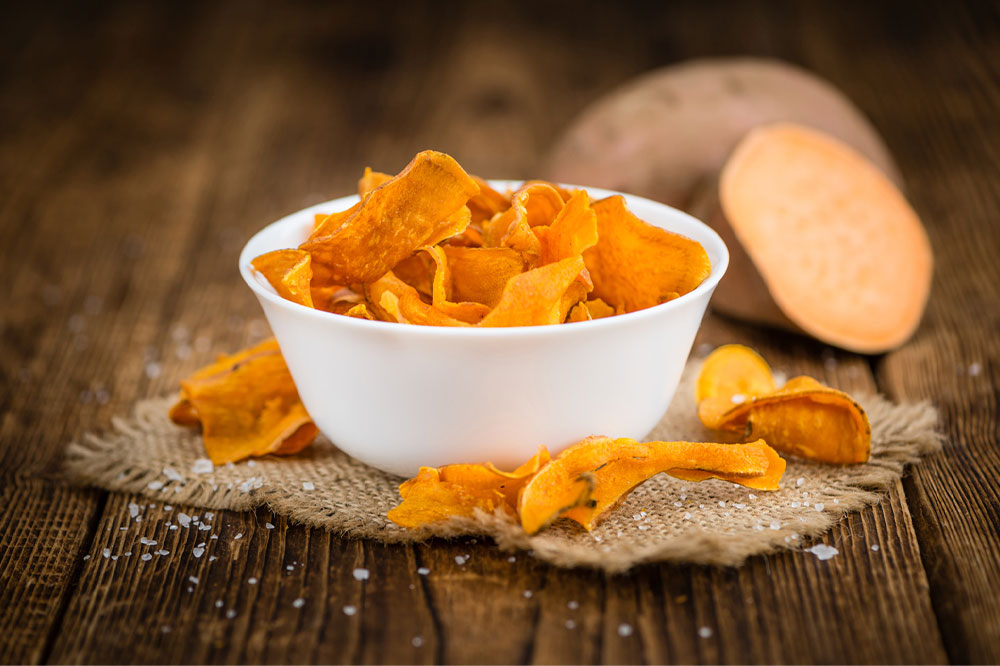
The kidneys are bean-shaped organs that are responsible for important bodily functions, like producing hormones, removing waste through urine, filtering blood, balancing minerals, and maintaining fluid balance. But, according to the American Kidney Fund, more than 1 in 7 adults in the country are affected by chronic kidney diseases. So, it is important to maintain kidney health by making better lifestyle choices and opting for foods that support kidney health. Food and kidney health The kidneys have multiple tiny blood vessels that help filter and eliminate excess water and waste from the body. If one is affected by chronic kidney diseases, the kidneys cannot filter blood, leading to the accumulation of waste in the body. Hypertension and diabetes are some of the leading causes of kidney disease. So, a healthy food plan can help prevent and manage these conditions by removing excess sodium, phosphorus, or potassium. Additionally, some foods should be limited or avoided to prevent further kidney damage. Best foods for kidney health Sweet potatoes: Sweet potatoes are similar to white potatoes but have excess fiber, which the body can take longer to break down, resulting in less of a spike in insulin levels in the body. Additionally, sweet potatoes contain various nutrients and minerals that may help balance the sodium and reduce its effect on the kidneys.
Read More
11 useful tips for anxiety management

11 useful tips for anxiety management

Nearly 84% of participants in a particular mental health survey were said to have some form of anxiety. The severity of symptoms did vary from person to person, but the fact remains that we live in a world where almost everything is a potential trigger for anxiety. And living in denial about having a psychological trigger only worsens the problem. Luckily, it is possible to manage anxiety by following the suggestions recommended by experts. Identify the triggers Anxiety is mainly triggered due to an event or episode where one finds themselves in a difficult position. It could be something that puts a person out of their comfort zone. Doctors advise people to identify these triggers and avoid them. Any comment, action, or situation that did not work out in favor triggers anxiety. So, make a list of such events and instances and ignore them the next time something happens related to that event. At the same time, try to remain positive as it can help strengthen the mind to manage anxiety better. Keep busy Distraction is one of the simplest ways to prevent a panic or anxiety attack. You can perform simple chores or indulge in a favorite task to stay physically and mentally occupied for a few hours.
Read More