6 Mistakes to Avoid While Booking a Hotel Stay

6 Mistakes to Avoid While Booking a Hotel Stay
When planning a trip, one of the main factors to consider is accommodation. Be it domestic or international travel, you simply cannot skip booking a stay, even for short trips. With dozens of websites offering this facility online, the task may seem straightforward. Yet, people make a lot of errors while looking up hotels and making reservations. So, here are some hotel booking mistakes to avoid on your next trip: Choosing the wrong location Booking a hotel can be easy, but when you are considering a chain of hotels, there is a good chance of booking a stay at the wrong location. Big hotels may have multiple properties in major cities. So, looking up the hotel name and zeroing in on the cheapest room might not be enough. You should always crosscheck the location using the area code or a known nearby landmark. If you are driving, book a hotel with adequate parking. City hotels can be short on space and don’t offer onsite parking, so ensure your booking has this amenity. Also, choosing a lackluster location outside of the city to save money will cost you more traveling back and forth to accommodate sightseeing. Instead, pick a central location with malls, museums, restaurants, bars, and fun activities to explore around the hotel.
How to stop a runny nose – 10 tips that work

How to stop a runny nose – 10 tips that work
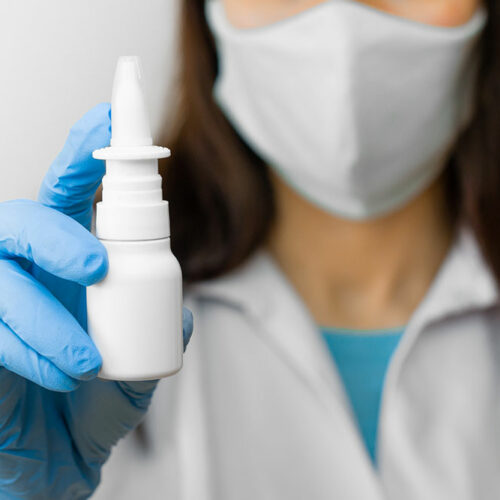
Experiencing a runny nose once in a while is quite normal. It is also known as rhinorrhea and is often a symptom of seasonal allergies, colds, or flu. Even dry air and pollution can cause mucus to drip or run out of the rose. In most cases, a runny nose resolves independently within a few days. However, it can cause a lot of discomfort, which can be managed with a few remedies. Here are some effective tips that relieve a runny nose: 1. Stay hydrated With mucus dripping out constantly, a runny nose can make the membranes of the airways dry and inflamed. This can add to the discomfort that one already feels. It is important to stay hydrated to get relief from these symptoms. Drinking enough liquids will help to thin out the mucus and make it more fluid. As a result, the mucus will drain out of the sinuses and nose quickly, enabling fast recovery. In addition, the liquids will also keep the membranes of the nose moist and lubricated. To stay hydrated, water is not enough. One needs to drink plenty of other liquids, such as clear chicken or vegetable broth, soups, chamomile tea, mint tea, and ginger tea.

7 kitchen ingredients to effectively fight fleas on dogs

7 kitchen ingredients to effectively fight fleas on dogs
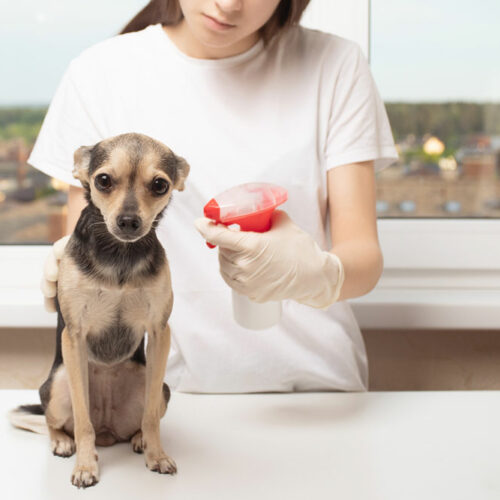
Fleas are tiny, blood-sucking parasites that can have a significant impact on dogs’ well-being when they get transmitted to them. These insects can cause constant discomfort and even health problems in dogs, which can worsen if left untreated. While several treatments are available to fight fleas on dogs, some common kitchen ingredients can also effectively combat them. Here are some ways fleas infest pets and effective kitchen ingredients that can help with the problem. How do fleas infest dogs? Dogs can become flea-infested in a variety of ways. Here are some of them given below: Contact with infested animals Close proximity with other infested dogs, cats, or wildlife can allow fleas to jump from one host to another. Apart from that, visitors to the home may also lead to a flea infestation since the insects can hitch a ride on clothing or personal belongings of humans. Infested environments Fleas can be present in environments where infested animals have been. This can be indoors, like bedding, carpets, or furniture at poorly kept dog care centers, or outdoors, such as yards, parks, public spaces, or other travel places. So, dogs can pick up fleas from the ground, grass, or other surfaces. Kitchen remedies to fight fleas on dogs There are several kitchen ingredients that can help one fight fleas on one’s dog.

Eczema – Types, symptoms, causes, and management

Eczema – Types, symptoms, causes, and management
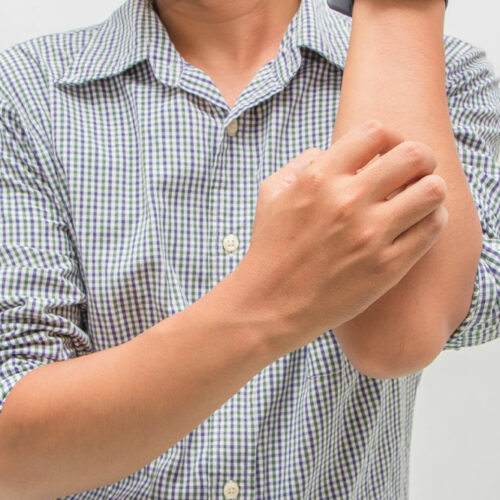
Eczema is a prevalent skin disease that causes the skin to become dry, flaky, itchy, and bumpy. It mainly weakens the skin barrier, which is responsible for keeping the skin moisturized and protecting the body from external elements. When this barrier does not function efficiently, it can lead to inflammation and trigger various signs and symptoms. Read on to learn about eczema, its types, symptoms, causes, treatments, and helpful natural remedies. Types There are different types of this skin disease, each with unique triggers that can affect the functioning of the skin barrier. Some common examples are: Atopic dermatitis This disorder is characterized by skin discoloration and the formation of itchy patches on the skin. Many people develop atopic dermatitis in childhood and face flare-ups through adulthood. While it has no cure, one can manage the symptoms with treatment. Contact dermatitis Contact dermatitis is an allergic reaction caused due an allergen or irritant. It is not contagious and can be prevented. Dyshidrotic eczema It is a condition that leads to blisters on the skin. Individuals may also experience itching and discomfort. Several things can trigger dyshidrotic eczema, including allergies and stress, but the most common trigger is sweaty palms and feet.

Understanding the lesser known risk factors of cancer

Understanding the lesser known risk factors of cancer
Cancer is the uncontrolled mutation of cells in the body. It can develop in most of the organs that govern metabolic, reproductive, digestive, and cognitive functions of the body. Most types of this progressive disorder cannot be cured. But early diagnosis, changes in daily nutrition, treatment, and lifestyle factors can positively help improve one’s outlook. It therefore becomes important to identify and avoid the following risk factors associated with common types of cancer. Aging and family history Increasing age is one of the risk factors for chronic complications. As adults get older, the body’s ability to defend and ward off diseases declines. Research indicates that most new cases of cancer have been prevalent in age groups of 65 and above. Breast cancer, prostate cancer, colorectal cancer, and lung cancer are among the major risks at this age. Furthermore, family members who are directly related can pass on certain genetic mutations that trigger cancer during old age. Exposure to toxins Exposure, be it direct or second hand, to toxins in the atmosphere and environment is also one of the major risk factors. Toxins and pollutants force the genetic composition of a person to change and trigger an unexpected mutation. These pollutants are often referred to as carcinogens, and are commonly found in the air, water, and even certain foods.

Helpful tips for choosing the right bathroom cleaner

Helpful tips for choosing the right bathroom cleaner
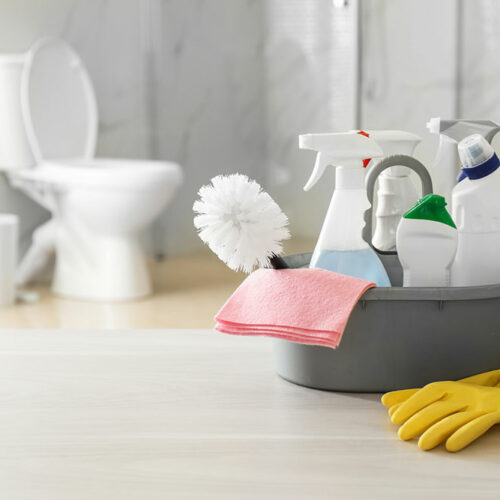
Cleaning and maintaining a hygienic bathroom is a top priority for every homeowner. Among the many bathroom fixtures, the shower requires regular cleaning to prevent the buildup of soap scum and grime. However, with various options available on the market, choosing the right shower cleaner for the bathroom can be a daunting task. To aid the purchasing process, here are some handy tips to keep in mind while buying bathroom shower cleaners. Consider the shower surface The first and most crucial step in choosing a bathroom shower cleaner is to consider the type of surface one has. This is because showers can be made of various materials such as tile, glass, acrylic, or fiberglass. This means different surfaces may require specific types of cleaners to avoid damage. For example, abrasive cleaners may scratch glass surfaces, while harsh chemicals can discolor acrylic or fiberglass. So buyers are suggested to always read the manufacturer’s guidelines and choose a cleaner that is compatible with their shower surface to prevent any unintended damage. Assess the severity of the stains Not all shower stains are created equal. Some showers may have minor soap scum and hard water stains, while others may be plagued with stubborn mold and mildew.

Our
Blog.

Managing kidney health – Best and worst foods

Managing kidney health – Best and worst foods

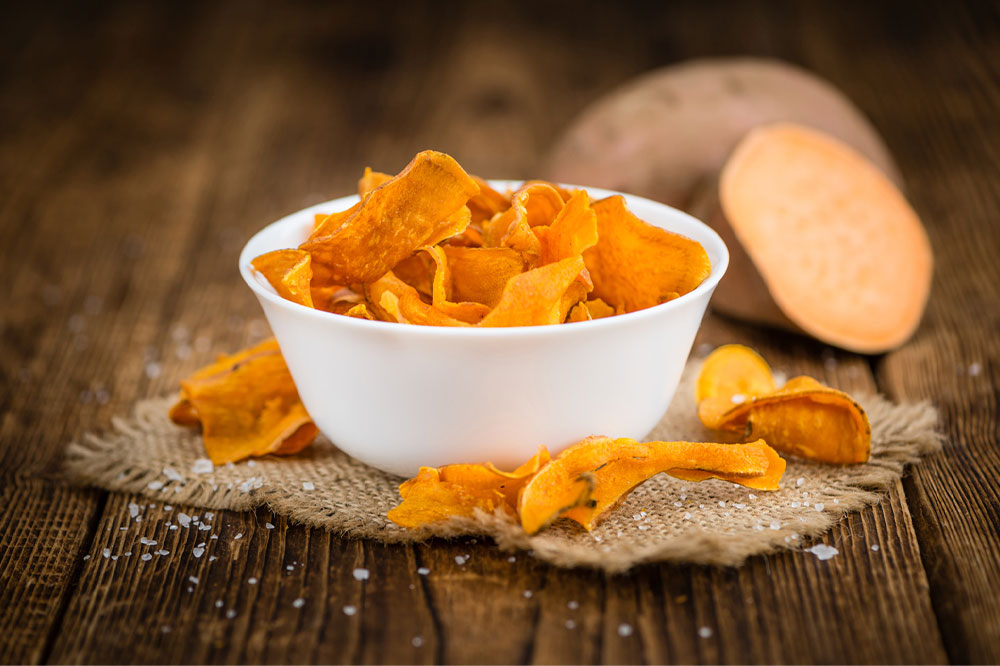
The kidneys are bean-shaped organs that are responsible for important bodily functions, like producing hormones, removing waste through urine, filtering blood, balancing minerals, and maintaining fluid balance. But, according to the American Kidney Fund, more than 1 in 7 adults in the country are affected by chronic kidney diseases. So, it is important to maintain kidney health by making better lifestyle choices and opting for foods that support kidney health. Food and kidney health The kidneys have multiple tiny blood vessels that help filter and eliminate excess water and waste from the body. If one is affected by chronic kidney diseases, the kidneys cannot filter blood, leading to the accumulation of waste in the body. Hypertension and diabetes are some of the leading causes of kidney disease. So, a healthy food plan can help prevent and manage these conditions by removing excess sodium, phosphorus, or potassium. Additionally, some foods should be limited or avoided to prevent further kidney damage. Best foods for kidney health Sweet potatoes: Sweet potatoes are similar to white potatoes but have excess fiber, which the body can take longer to break down, resulting in less of a spike in insulin levels in the body. Additionally, sweet potatoes contain various nutrients and minerals that may help balance the sodium and reduce its effect on the kidneys.
Read More
11 useful tips for anxiety management

11 useful tips for anxiety management

Nearly 84% of participants in a particular mental health survey were said to have some form of anxiety. The severity of symptoms did vary from person to person, but the fact remains that we live in a world where almost everything is a potential trigger for anxiety. And living in denial about having a psychological trigger only worsens the problem. Luckily, it is possible to manage anxiety by following the suggestions recommended by experts. Identify the triggers Anxiety is mainly triggered due to an event or episode where one finds themselves in a difficult position. It could be something that puts a person out of their comfort zone. Doctors advise people to identify these triggers and avoid them. Any comment, action, or situation that did not work out in favor triggers anxiety. So, make a list of such events and instances and ignore them the next time something happens related to that event. At the same time, try to remain positive as it can help strengthen the mind to manage anxiety better. Keep busy Distraction is one of the simplest ways to prevent a panic or anxiety attack. You can perform simple chores or indulge in a favorite task to stay physically and mentally occupied for a few hours.
Read More