8 tips for investing in gold, silver, and other precious metals

8 tips for investing in gold, silver, and other precious metals
The allure of precious metals, with their timeless beauty and enduring value, has captivated people for centuries. Be it gold, silver, or other precious metals, all these commodities hold a unique place in financial history. Investing in such treasures is not merely about accumulating wealth; it is a testament to the resilience of value over time. However, before investing in precious metals, it is important to be careful and equipped with the proper knowledge. Gold, silver, and other precious metals come with their nuances, intricacies, and potential pitfalls that every investor should be aware of. Let’s explore eight crucial tips that individuals should consider when investing in precious metals. Understand the investment goal Before acquiring precious metals, it is imperative to have a clear understanding of one’s investment objectives. Determining whether the goal is to preserve wealth, diversify the portfolio, or simply acquire beautiful pieces for one’s collection will impact the type and quantity of precious metals to be invested in. If wealth preservation is one’s primary goal, gold and silver, known as “safe-haven” assets, are often preferred due to their historical stability. On the other hand, collectors might focus on rare coins or unique items. Defining one’s purpose will help tailor the investment strategy.

14 Common Travel Mistakes to Avoid

14 Common Travel Mistakes to Avoid
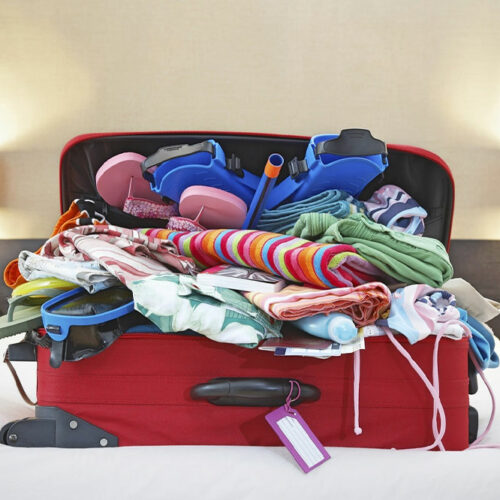
Traveling can be an exhilarating experience. Whether you are a novice or an experienced globetrotter, it is completely normal to come across something unexpected along the way. After all, isn’t building new experiences what traveling is all about? Planning ahead can help you avoid many of these mistakes for a hassle-free vacation experience. Here are 14 travel mistakes to take a break from this year so you can have an amazing trip: Overpacking Having to pull a big suitcase around on holiday can add to your stress. Not only does it increase the pressure of having to pack and repack as you move across locations during your vacation, but it can also lead to a sore back and a heap of dirty laundry. Instead of traveling heavy, begin with a carry-on, and size up only if you need to. Try to choose a capsule wardrobe packing style, and opt for all-season clothing as much as possible. This can also help you save big bucks on airline tickets. Carrying valuables Carrying valuables brings the additional stress of having to manage them. Not only can expensive items like jewelry and cameras attract the attention of pickpockets, but they are also easy to misplace.

17 helpful tips for a smooth moving experience

17 helpful tips for a smooth moving experience
Moving is often an exciting and overwhelming experience. Whether an individual is relocating to a new city for a job opportunity or moving to a bigger home to accommodate their growing family, the process of packing up and making a fresh start can be a challenging endeavor. However, with the right strategies and a well-organized plan, this process can be completed hassle-free. Find below helpful tips designed to help achieve a smooth transition to a new beginning. Create a moving timeline Before embarking on the journey of packing and moving, it’s essential to create a detailed moving timeline. Start planning at least two months in advance, as this may give an individual ample time to handle all the necessary tasks without feeling rushed. One must also divide timelines into specific phases, such as sorting, packing, hiring movers, and unpacking. Having a clear roadmap might help one stay organized throughout the process. Declutter and downsize One of the most crucial steps in the moving process is decluttering and downsizing belongings. Individuals should take this opportunity to evaluate their possessions and decide what they want to keep, donate, or discard. A general rule of thumb is to get rid of items that have not been used in the past year.

Home insurance policies – Key inclusions, purchase tips, and common mistakes

Home insurance policies – Key inclusions, purchase tips, and common mistakes
A home is not just a financial investment; it is a space an individual has built over years of effort and savings. It is where life takes shape and memories are made. Protecting this space, ergo, is important for every homeowner. This is where a home insurance policy can help. Choosing the right home insurance policy can feel overwhelming at first, but with a clear understanding of what to look for, the decision becomes easier. Things to look for in a home insurance policy Coverage for repairing and rebuilding The first thing to look for in a home insurance policy is the coverage it provides for repairing or rebuilding the home. However, homeowners should note that the final coverage amount may vary after underwriting. This is the process wherein an insurance company inspects the property to assess the risk. If the approved coverage is lower than the amount required to rebuild the home, it can create a significant financial gap. If the home is damaged by a covered event, such as a fire or a natural disaster listed in the policy, it may require extensive repairs or even rebuilding. So, it is important for a homeowner to ensure their policy provides adequate coverage.

Our
Blog.

Managing kidney health – Best and worst foods

Managing kidney health – Best and worst foods

The kidneys are bean-shaped organs that are responsible for important bodily functions, like producing hormones, removing waste through urine, filtering blood, balancing minerals, and maintaining fluid balance. But, according to the American Kidney Fund, more than 1 in 7 adults in the country are affected by chronic kidney diseases. So, it is important to maintain kidney health by making better lifestyle choices and opting for foods that support kidney health. Food and kidney health The kidneys have multiple tiny blood vessels that help filter and eliminate excess water and waste from the body. If one is affected by chronic kidney diseases, the kidneys cannot filter blood, leading to the accumulation of waste in the body. Hypertension and diabetes are some of the leading causes of kidney disease. So, a healthy food plan can help prevent and manage these conditions by removing excess sodium, phosphorus, or potassium. Additionally, some foods should be limited or avoided to prevent further kidney damage. Best foods for kidney health Sweet potatoes: Sweet potatoes are similar to white potatoes but have excess fiber, which the body can take longer to break down, resulting in less of a spike in insulin levels in the body. Additionally, sweet potatoes contain various nutrients and minerals that may help balance the sodium and reduce its effect on the kidneys.
Read More
11 useful tips for anxiety management

11 useful tips for anxiety management

Nearly 84% of participants in a particular mental health survey were said to have some form of anxiety. The severity of symptoms did vary from person to person, but the fact remains that we live in a world where almost everything is a potential trigger for anxiety. And living in denial about having a psychological trigger only worsens the problem. Luckily, it is possible to manage anxiety by following the suggestions recommended by experts. Identify the triggers Anxiety is mainly triggered due to an event or episode where one finds themselves in a difficult position. It could be something that puts a person out of their comfort zone. Doctors advise people to identify these triggers and avoid them. Any comment, action, or situation that did not work out in favor triggers anxiety. So, make a list of such events and instances and ignore them the next time something happens related to that event. At the same time, try to remain positive as it can help strengthen the mind to manage anxiety better. Keep busy Distraction is one of the simplest ways to prevent a panic or anxiety attack. You can perform simple chores or indulge in a favorite task to stay physically and mentally occupied for a few hours.
Read More