10 Foods to Avoid For Better Eye Health

10 Foods to Avoid For Better Eye Health
Maintaining good vision and overall well-being requires actively protecting the eyesight. While incorporating nutrient-rich foods into daily meals promotes eye health, it’s equally important to actively avoid certain foods that can have a negative impact. By understanding which foods to steer clear of, one can actively make informed choices to safeguard one’s precious eyesight. So, let’s learn more about nutrition and how to keep the eyes healthy by avoiding certain foods. Candies Candies are difficult to pass up. Who wouldn’t want to satiate their sweet tooth with a snack that can easily fit into the pocket and provide immense satisfaction immediately? However, this sugar rush could cost one eye health. Excessive intake of sugary foods and beverages has a negative impact on the eyes, teeth, skin, hair, digestion, kidneys, liver, and other vital organs. High sugar intake is linked to a higher risk of developing age-related macular degeneration (AMD) and diabetic retinopathy. It is best to avoid sugary treats like candies, cookies, sodas, and sweetened juices to protect one’s vision and overall well-being. French fries Consuming fried and processed foods on a regular basis can lead to a decline in overall health, including eye health. Most packaged foods come with unhealthy quantities of trans fats and sodium.


15 Outdoor Grilling Mistakes to Avoid This BBQ Season

15 Outdoor Grilling Mistakes to Avoid This BBQ Season
Summer is the typical time for relaxing picnics and barbecues. Many people take on outdoor cooking and grilling adventures during family and friendly gatherings. From Memorial Day to Labor Day, there are seemingly endless BBQ events serving up delicious foods such as steaks, burgers, shrimp, potatoes, onions, fish, pineapple, tofu, and more. If you are setting up an outdoor cooking station in your backyard, avoid making these 15 common outdoor cooking mistakes: Not testing your equipment beforehand Do a test run with your BBQ grill before you invite your friends and family over! This will allow you to test your equipment and even plan some fun yet easy grill recipes for later. If you plan on carrying your stove or grill for a camping adventure, you will also have a better chance of investing in new equipment and reducing the risk of mishaps. Not cleaning the grill Before using a grill, be sure to clean it. This is because leftover bits and pieces of charred foods can impact the flavor of your next meal. This residue can also be unhealthy to consume. Once you are done cooking and the grill has cooled, scrape off large pieces of residue with a spatula or a knife.

Skin Cancer – Silent Signs, Causes, and Management Options

Skin Cancer – Silent Signs, Causes, and Management Options
Skin cancer affects millions of people, and while most are aware of its more apparent signs, such as moles or unusual growths, there are also silent signs that can often go unnoticed. Early detection of these signs is highly critical to treat the condition. By being vigilant and proactive, one can protect one’s skin health and potentially prevent the progression of skin cancer. Here are some signs, as well as common causes and treatment options available for the condition. Common signs of skin cancer Persistent itching or tenderness Skin cancer can cause persistent itching or tenderness in the affected area, so it’s important to get sudden itchiness or tenderness checked by a dermatologist. Scaly or crusty patches One may mistake scaly or itchy skin for normal skin rash, allergic reaction, psoriasis, or eczema. But if basic treatments and home remedies do not seem to heal these crusty skin patches, it may indicate a more serious and deeper problem of skin cancer. Pimple that won’t heal Pimples or zits forming during adolescence are a common occurrence. Still, persistent pimples that do not fade or heal and fail to respond to normal acne treatments could be a sign of an underlying issue, such as hormonal imbalances or skin cancer.

Poor blood circulation – Common signs and management tips

Poor blood circulation – Common signs and management tips
Blood circulation is one of the most important functions in the body, as vital organs depend on oxygen and nutrients supplied by the red blood cells to survive and function. However, certain factors like poor nutrition, underlying health issues, and unhealthy daily habits can reduce blood flow and disrupt circulation. So, here are a few common signs of poor blood circulation and useful tips for managing and overcoming the problem: Signs of poor blood circulation Visible swelling One of the first and most evident signs of poor blood circulation is swelling. Also referred to as edema, this swelling develops in the legs, feet, and ankles. Edema develops when the blood pools in one place instead of moving along the arteries and veins. Pooling causes the area to bulge. Edema is often noticeable along the extremities of the body. Due to the swelling, the skin around the affected area becomes taut and warm. Additionally, one might experience a sensation of heaviness and stiffness around the joints when affected by poor circulation. Numbness and tingling Blood circulation is a continuous process, with the heart pumping blood to reach all extremities of the body. So, any obstruction here can restrict the circulation resulting in a familiar tingling or sensation of numbness.

7 early signs of heart disease due to excess sugar

7 early signs of heart disease due to excess sugar
With everyone increasingly consuming processed foods, excessive sugar consumption has become a global health concern. The increased intake of packaged foods, snacks, and sugary beverages poses a significant risk for several health problems, including heart disease. In addition, increased sugar consumption can lead to diabetes, hypertension, and other health disorders. Therefore, it is crucial to be aware of the following early signs of heart disease due to excess sugar to take preventive measures. Insulin resistance Insulin is the hormone that controls the levels of glucose or sugar in the blood. The body’s cells cannot effectively respond to the hormone when insulin resistance develops. As a result, glucose cannot get into cells and starts accumulating in the blood. Excess sugar consumed through meals and snacks increases the possibility of insulin resistance. It directly increases the risk of heart disease as well. High blood pressure One of the first signs that indicate the risk of heart disease due to excess sugar is high blood pressure levels. When consuming high sugar daily, one develops insulin resistance, leading to an elevated blood pressure level. This impacts the arteries and the heart, increasing the risk of heart attacks and strokes. So it is imperative to check your blood pressure levels.

12 easy and delicious breakfast recipes

12 easy and delicious breakfast recipes
Breakfast is often regarded as the most important meal of the day. Not only does it help replenish the body after a good night’s sleep, but it also fuels the body with the right kind of nutrition for a productive day. From delicious pancakes, waffles, and cinnamon rolls to a scrumptious egg and bacon meal and breakfast tacos, here are 12 easy breakfast recipes to break the fast and kickstart the day: No-yeast 2-ingredient bagels These are perhaps the easiest bagels ever! To make them, all one needs is Greek yogurt and flour. Combine the ingredients in a bowl, shape the bagels, and let them bake in the oven. They are easy to customize and can be topped with seasoning such as rock salt, pepper, etc. Slice in half, and serve with cream cheese for a no-fuss breakfast. Waffles Waffles are a delicious breakfast option. To make these, make a batter using flour, eggs, vanilla, shortening or butter, sugar, milk, baking powder, and baking soda. Pour this mixture into a waffle iron and cook until golden and crispy. Serve with butter and maple syrup. For a diner-style breakfast, waffles can also be served with fried chicken. Pancakes One of the most popular breakfast items across the country, pancakes are easy to make and can be prepared well in advance and stored in the freezer.

Our
Blog.

Managing kidney health – Best and worst foods

Managing kidney health – Best and worst foods

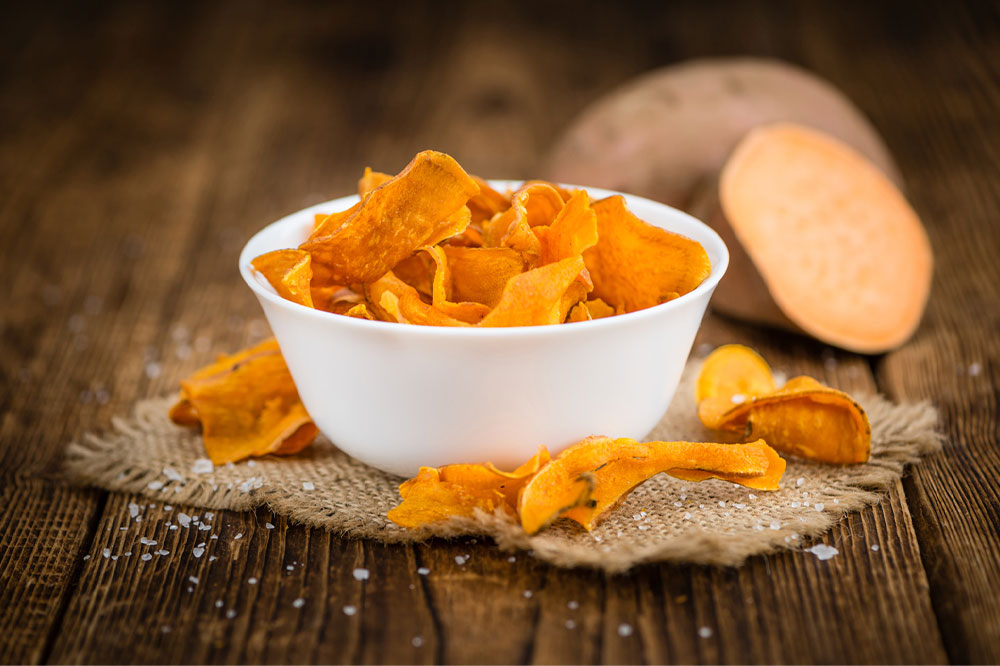
The kidneys are bean-shaped organs that are responsible for important bodily functions, like producing hormones, removing waste through urine, filtering blood, balancing minerals, and maintaining fluid balance. But, according to the American Kidney Fund, more than 1 in 7 adults in the country are affected by chronic kidney diseases. So, it is important to maintain kidney health by making better lifestyle choices and opting for foods that support kidney health. Food and kidney health The kidneys have multiple tiny blood vessels that help filter and eliminate excess water and waste from the body. If one is affected by chronic kidney diseases, the kidneys cannot filter blood, leading to the accumulation of waste in the body. Hypertension and diabetes are some of the leading causes of kidney disease. So, a healthy food plan can help prevent and manage these conditions by removing excess sodium, phosphorus, or potassium. Additionally, some foods should be limited or avoided to prevent further kidney damage. Best foods for kidney health Sweet potatoes: Sweet potatoes are similar to white potatoes but have excess fiber, which the body can take longer to break down, resulting in less of a spike in insulin levels in the body. Additionally, sweet potatoes contain various nutrients and minerals that may help balance the sodium and reduce its effect on the kidneys.
Read More
11 useful tips for anxiety management

11 useful tips for anxiety management

Nearly 84% of participants in a particular mental health survey were said to have some form of anxiety. The severity of symptoms did vary from person to person, but the fact remains that we live in a world where almost everything is a potential trigger for anxiety. And living in denial about having a psychological trigger only worsens the problem. Luckily, it is possible to manage anxiety by following the suggestions recommended by experts. Identify the triggers Anxiety is mainly triggered due to an event or episode where one finds themselves in a difficult position. It could be something that puts a person out of their comfort zone. Doctors advise people to identify these triggers and avoid them. Any comment, action, or situation that did not work out in favor triggers anxiety. So, make a list of such events and instances and ignore them the next time something happens related to that event. At the same time, try to remain positive as it can help strengthen the mind to manage anxiety better. Keep busy Distraction is one of the simplest ways to prevent a panic or anxiety attack. You can perform simple chores or indulge in a favorite task to stay physically and mentally occupied for a few hours.
Read More