9 foods that may help manage EoE and acid reflux
9 foods that may help manage EoE and acid reflux
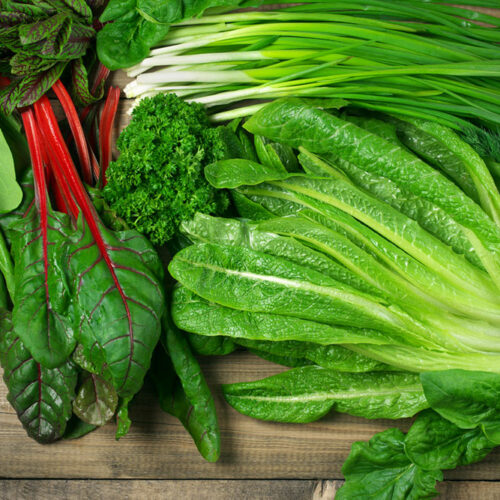
Eosinophilic esophagitis (EoE) is a condition in which an individual’s esophagus experiences inflammation due to the growth of eosinophils. EoE shares similarities with acid reflux, sometimes known as heartburn or GERD. In both conditions, one may experience pain and a blockage in the esophagus. Certain foods contain vital nutrients and other elements that enable people to manage their EoE and acid reflux conditions efficiently if they have one or both of them: Leafy vegetables Green leafy vegetables are excellent foods to prevent symptoms and flare-ups of EoE and acid reflux. Vegetables like Spinach, kale, broccoli, and others have low levels of acidic content. This quality helps maintain the body’s pH levels and prevents inflammation in individuals. Spinach, in particular, is high in fiber, making it easily digestible for individuals with acid reflux, GERD, or EoE. Overall, the low acidic levels and anti-inflammatory properties of green leafy vegetables make them a must-have for those with these health disorders. Quinoa Whole grains such as quinoa are low-acid foods the body needs to fight symptoms of acid reflux and heartburn. Like Spinach, quinoa also contains loads of fiber. It means one can digest quinoa at a much faster rate compared to some other foods.


10 best foods to manage hemophilia and its symptoms

10 best foods to manage hemophilia and its symptoms
Hemophilia is a genetic disorder that negatively affects the body’s ability to stop blood clotting. Here, the body is unable to prevent excessive bleeding when a blood vessel is injured, leading to symptoms like easy bruises and swelling. The condition is usually diagnosed at a young age. Hemophilia requires a holistic approach to care, including a keen focus on nutrition. There are a range of foods and nutrition that is known to empower those grappling with hemophilia. Best foods for hemophilia Lean proteins Foods like poultry, fish, and legumes offer a rich source of lean protein without the added burden of excessive fat. Plant-based sources like legumes and tofu are also loaded with proteins. These proteins contribute to muscle strength and tissue repair, aiding in the body’s ability to recover from potential bleeding incidents. Fruits Fruits contribute to one’s overall health, but those that are rich sources of vitamin C assist in the absorption of iron. Citrus fruits like oranges, pineapples, kiwis, lemons, and lime offer a tasty and vitamin C-packed punch, enhancing the body’s connective tissue and supporting blood vessel health. Strawberries, blueberries, tomatoes, melons, and bell peppers are also excellent plant-based sources that offer a refreshing way to boost the immune system and promote healing.

11 noticeable signs of iron deficiency in the body

11 noticeable signs of iron deficiency in the body
Iron plays a pivotal role in various physiological processes. It contributes to the optimal functioning of the human body. Iron’s significance lies in its ability to facilitate the transportation of oxygen throughout the bloodstream. The repercussions of iron deficiency reverberate across multiple bodily systems, affecting cardiovascular health, immune response, cognitive function, and more. Exploring the diverse signs of iron deficiency illuminates the intricate interplay between this essential mineral and the body’s mechanisms. Here are a few noticeable signs of iron deficiency in the body: 1. Fatigue and weakness One of the earliest signs of iron deficiency is often fatigue and weakness. Individuals may experience a noticeable decline in energy levels, leading to feelings of tiredness even after adequate rest. This fatigue can impact daily activities, making tasks that were once routine more challenging. This persistent fatigue can also extend to mental exhaustion, affecting concentration and cognitive functions. Lack of iron impedes the body’s ability to produce sufficient oxygen-carrying hemoglobin, leading to decreased vitality. 2. Pale skin and conjunctiva Iron plays a pivotal role in producing hemoglobin, the red pigment in the blood responsible for carrying oxygen. When iron levels are low, it can result in pale skin and pale or white areas inside the lower eyelids, known as conjunctiva.

15 types of savings accounts to consider

15 types of savings accounts to consider
When it comes to personal finance, savings accounts can be a reliable option for securing their financial future. Further, one can choose from various types of savings accounts, each offering unique benefits to cater to diverse financial goals. From the simplicity of a basic savings account to the strategic long-term advantages of an individual retirement account (IRA), one should examine all available options. So, here are the types of savings accounts to consider: 1. Regular savings account The basic or traditional savings account provides a simple and accessible way to start saving money. It comes with low or no fees and is easily accessible, making it the ideal option to hold emergency funds and meet short-term savings goals. It typically requires a low minimum deposit. However, this type of account may have restrictions on the number of withdrawals allowed per month. 2. High-yield savings account A high-yield savings account is a more lucrative option for those seeking increased returns without sacrificing safety. It offers higher interest rates than regular savings accounts, contributing to more significant savings growth over time. This type of account usually requires a higher minimum deposit, so one may have to maintain a certain balance to access higher interest rates.

High Sugar Intake – Signs and Management Options

High Sugar Intake – Signs and Management Options
Sugar is a vital source of energy and essential for survival. However, not all sugars have the same effects. Fructose, naturally present in fruits and vegetables, and lactose in milk and dairy products are natural sugars. However, added or refined sugar usually found in processed foods should be avoided. This sugar, when added to meals excessively, can increase the risk of developing various health conditions such as diabetes, fatty liver disease, and high blood pressure. Signs of excessive sugar intake Irritability Excessive sugar intake can lead to irritability, moodiness, and increased stress levels. A 2010 study suggested that high levels of sugar intake can promote inflammation, worsen one’s moods, and even increase the risk of developing depression. Exceeding the recommended sugar intake would mean that one is opting for meals high in sugar without adequate proteins or fat, leading to a spike in blood sugar levels. After a while, the previously elevated energy levels crash, making one feel irritable and sluggish. So, one should track their energy levels before and after a meal, especially when dealing with diabetes. Trouble sleeping A study found that poor quality of sleep is associated with increased sugar intake. Disruptions in sleep cycles can lead to restlessness.

9 Things to Avoid for Healthy Skin

9 Things to Avoid for Healthy Skin
Healthy skin is rarely a result of frequent salon visits or pricey skin treatments. To keep one’s skin healthy, one needs to consistently have good hygiene practices, good food habits, a proper sleep schedule, and a healthy gut and stomach. A few things can negatively affect one’s efforts to get healthy skin. In severe cases, the following factors may also result in breakouts, signs of premature aging, or a common skin condition called eczema. Things to avoid Exposure to UV radiation Exposing bare skin to harsh sunlight or UV rays for a prolonged time may damage the skin tissues. It can also irritate the skin, cause sunburn and pigmentation, trigger premature aging, or even lead to skin cancer. Wearing sunglasses, caps, and sunscreen is the best way to avoid UV exposure. A tinted moisturizer sunscreen for the face not only protects the skin but also hydrates it and provides a thin layer of foundation. Moisturizer sunscreen works well for dry and sensitive skin. Alternatively, people with oily skin can opt for sunscreen with a lightweight formula. Unhealthy eating habits Gut health and skin health are closely related. Processed and refined foods can lead to toxins getting accumulated in the colon.

Our
Blog.

Managing kidney health – Best and worst foods

Managing kidney health – Best and worst foods

The kidneys are bean-shaped organs that are responsible for important bodily functions, like producing hormones, removing waste through urine, filtering blood, balancing minerals, and maintaining fluid balance. But, according to the American Kidney Fund, more than 1 in 7 adults in the country are affected by chronic kidney diseases. So, it is important to maintain kidney health by making better lifestyle choices and opting for foods that support kidney health. Food and kidney health The kidneys have multiple tiny blood vessels that help filter and eliminate excess water and waste from the body. If one is affected by chronic kidney diseases, the kidneys cannot filter blood, leading to the accumulation of waste in the body. Hypertension and diabetes are some of the leading causes of kidney disease. So, a healthy food plan can help prevent and manage these conditions by removing excess sodium, phosphorus, or potassium. Additionally, some foods should be limited or avoided to prevent further kidney damage. Best foods for kidney health Sweet potatoes: Sweet potatoes are similar to white potatoes but have excess fiber, which the body can take longer to break down, resulting in less of a spike in insulin levels in the body. Additionally, sweet potatoes contain various nutrients and minerals that may help balance the sodium and reduce its effect on the kidneys.
Read More
11 useful tips for anxiety management

11 useful tips for anxiety management

Nearly 84% of participants in a particular mental health survey were said to have some form of anxiety. The severity of symptoms did vary from person to person, but the fact remains that we live in a world where almost everything is a potential trigger for anxiety. And living in denial about having a psychological trigger only worsens the problem. Luckily, it is possible to manage anxiety by following the suggestions recommended by experts. Identify the triggers Anxiety is mainly triggered due to an event or episode where one finds themselves in a difficult position. It could be something that puts a person out of their comfort zone. Doctors advise people to identify these triggers and avoid them. Any comment, action, or situation that did not work out in favor triggers anxiety. So, make a list of such events and instances and ignore them the next time something happens related to that event. At the same time, try to remain positive as it can help strengthen the mind to manage anxiety better. Keep busy Distraction is one of the simplest ways to prevent a panic or anxiety attack. You can perform simple chores or indulge in a favorite task to stay physically and mentally occupied for a few hours.
Read More