14 side effects of not drinking enough water
14 side effects of not drinking enough water
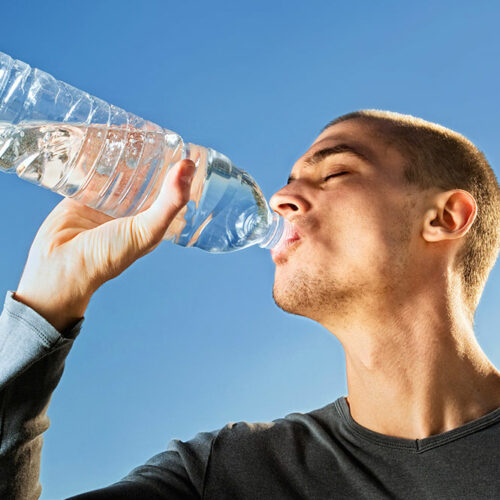
Water has no nutritional value, but we need it to function. And since the body has no way to store water for long, it must be received regularly in the form of fresh liquids. One’s daily water requirements will vary depending on age, gender, lifestyle, activity levels, and the climate they live in. Drinking too little water causes dehydration, which can be life-threatening, especially to infants, young children, and the elderly. Why is water essential ? Water helps complete bodily processes, such as: Maintaining the health of the cells in the body Keeping the bloodstream liquid enough, so it can freely flow through blood vessels Eliminating the by-products of regular bodily processes, like electrolytes and urea Regulating the body’s temperature through sweat Providing moisture to the mucous membranes in the lungs, mouth, and other organs Lubricating and cushioning the joints Reducing the risk of certain urinary tract infections (UTIs) by keeping the bladder clear of bacteria Supporting digestion and reducing the risk of constipation Moisturizing the skin to maintain its texture and appearance Carrying nutrients and oxygen to the cells Surrounding the fetus during pregnancy in the form of amniotic fluid Side effects of insufficient water intake When the body’s fluid content is too low, people may experience the following:

10 healthy foods that provide constipation relief

10 healthy foods that provide constipation relief
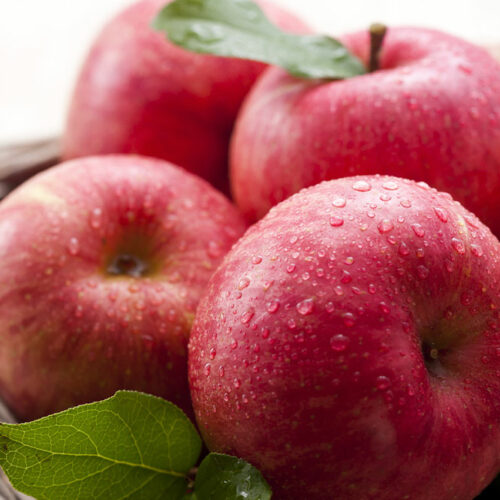
Constipation refers to the inability to pass stools regularly. There are several risks and known causes linked to underlying health complications that trigger this condition. It can also be a side effect of prescription therapies that affect digestion. However, it is possible to manage and even cure constipation with simple changes in lifestyle and nutritional habits. Some healthy foods that help prevent flare-ups and provide immediate and long-term relief are listed below. Apples Apples are an excellent source of soluble fibers called pectin, a natural compound concentrated in the fruit’s skin. When digested, pectin is rapidly absorbed by the gut bacteria to pull water inside the colon. This reaction helps soften the stools and facilitates faster movement along the digestive tract. Pectin also naturally helps increase the gut bacteria necessary for promoting metabolic activities that control digestion. Pears Pears are a tasty alternative to apples that also provide the necessary boost of soluble fibers. In addition to fiber that helps bulk up stools, pears are also a rich source of sorbitol that further acts as a natural laxative. And the fructose (natural sugars) in the fruit helps pull water inside the colon to help soften the stools. A single pear fruit packs 5.5 grams of fiber, which is nearly a fifth of the daily requirement suggested for adults.

Signs, causes, and ways to manage osteoporosis

Signs, causes, and ways to manage osteoporosis
Millions of people worldwide are affected by osteoporosis, a widespread medical disorder particularly prevalent in women over 50. Loss of bone density, which renders bones brittle and more prone to fractures, distinguishes it. Osteoporosis is frequently called a “silent disease” since it can progress for years before causing a fracture. In this post, we’ll learn about the signs, causes, and ways to manage osteoporosis. Read on to learn more about the condition. Signs of osteoporosis Osteoporosis is frequently called a “silent disease” since it can progress for years before causing a fracture. However, there are a few symptoms that could point to osteoporosis, such as: Loss of height Over time, osteoporosis can cause the spine’s bones to deteriorate and collapse, resulting in a loss of height. Back pain Spinal compression fractures may result in back pain that worsens when one moves. Fractures People with osteoporosis are more likely to experience fractures, especially in the wrists, spine, and hips. Poor posture A slumped or bent posture may be brought on by spinal deterioration. Dental issues Osteoporosis can also affect the jawbone, resulting in tooth loss and other dental problems. If one notices any of these symptoms, it is important that one immediately consults a healthcare provider to discuss the possibility of osteoporosis with them and get tested for bone density to confirm the diagnosis.

Migraine management – Top 6 exercises that help

Migraine management – Top 6 exercises that help
It is no secret that regular exercise is vital to maintaining overall well-being. However, indulging in physical activities might sound daunting for migraine sufferers. The good news is that certain exercises can release muscle tension and positively impact your system, easing migraines’ effects and preventing episodes altogether. However, how do you know what exercises most benefit migraine management? Read below to find out. Types of exercises for migraine management As a key part of a comprehensive treatment plan for migraines, exercise can help you effectively manage headaches and other symptoms. Here we have compiled the best six exercises that can help with migraine management. Yoga According to the American Headache Society, tight or constricted muscles, poor posture, and excess stress can worsen headaches, especially if you have migraines. Practicing yoga can improve your posture and relax your muscles. It also claims that adding yoga to your daily routine will balance the body, mind, and spirit, positively affecting your mood and energy. There are different forms of yoga to choose from. Most of the poses involve breathing techniques and holding postures. For instance, therapeutic yoga is a relaxing form used for better migraine management. However, before embarking on this exercise, make sure to consult with your doctor.

11 unhealthy habits that damage the teeth

11 unhealthy habits that damage the teeth
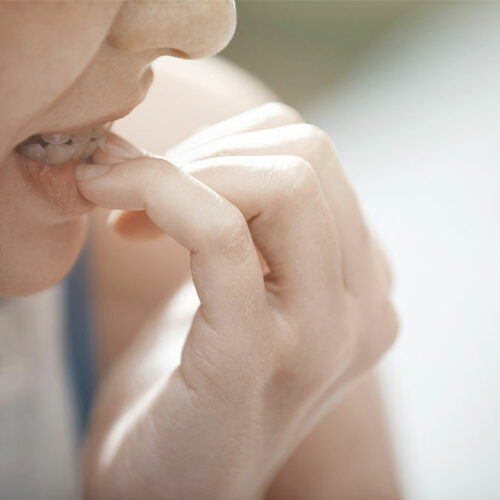
Living in a fast-paced life keeps one busy all the time. But this also results in several people falling prey to a few unhealthy habits, sometimes without realizing it. Some of these poor practices may have detrimental effects on the body, including oral health. And the damage caused to them could result in infections and even searing pain. Therefore, here are 11 unhealthy habits to avoid to improve the health of your teeth. Using teeth as a tool The teeth are necessary to chew foods so they can be digested easily. However, people tend to open tins and bottles or cut price tags with their canines and molars. Doing so puts the teeth at risk of accidental cracking or jaw injuries. Therefore, one must avoid this and use official tools handy instead. These include using a can opener, bottle opener, and scissors. Biting nails Many individuals are habitual of biting their nails subconsciously, especially when they are nervous. But biting the nails could result in the chipping of teeth and also impact the jaw. Furthermore, since the fingernails touch various objects throughout the day, they collect dust and bacteria. Therefore, biting nails could expose the mouth to such bacteria and result in gum disease.

Scoliosis – Symptoms and best and worst food choices

Scoliosis – Symptoms and best and worst food choices
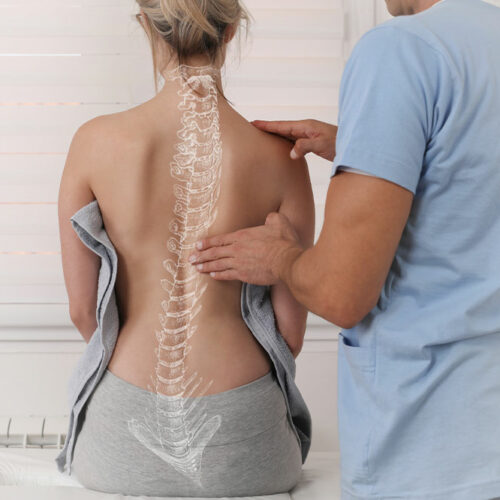
Scoliosis is a spinal condition where the spine curves sideways, predominantly in adolescents. Even though it is most commonly associated with people suffering from muscular dystrophy and cerebral palsy, the reasons for childhood scoliosis remain largely unknown. In most cases, the condition remains in the mild category. However, if scoliosis deteriorates, the spinal curvature worsens, leading to several other complications, such as permanent disabling, excessive pressure on the chest, and others. Symptoms of scoliosis Even though in the case of scoliosis, the curvature of the spine is obvious, this condition can reflect some other significant symptoms, such as: The affected person may have an uneven shoulder structure. The shoulder blade of one side may appear more prominent than the others. The waist structure may seem uneven. One hip can be positioned higher than the other. One side of the rib cage will seem to be jutting forward. Sometimes, the spine may rotate or twist along the curve, etc. If you notice such curves or signs in your child, you shouldn’t delay in consulting a doctor. Sometimes, these symptoms may not be visible initially but grow gradually. The earlier you spot these issues, the better treatment the patient can receive. Scoliosis and food options The condition may have some treatment options available, but it is not curable.

Our
Blog.

Managing kidney health – Best and worst foods

Managing kidney health – Best and worst foods

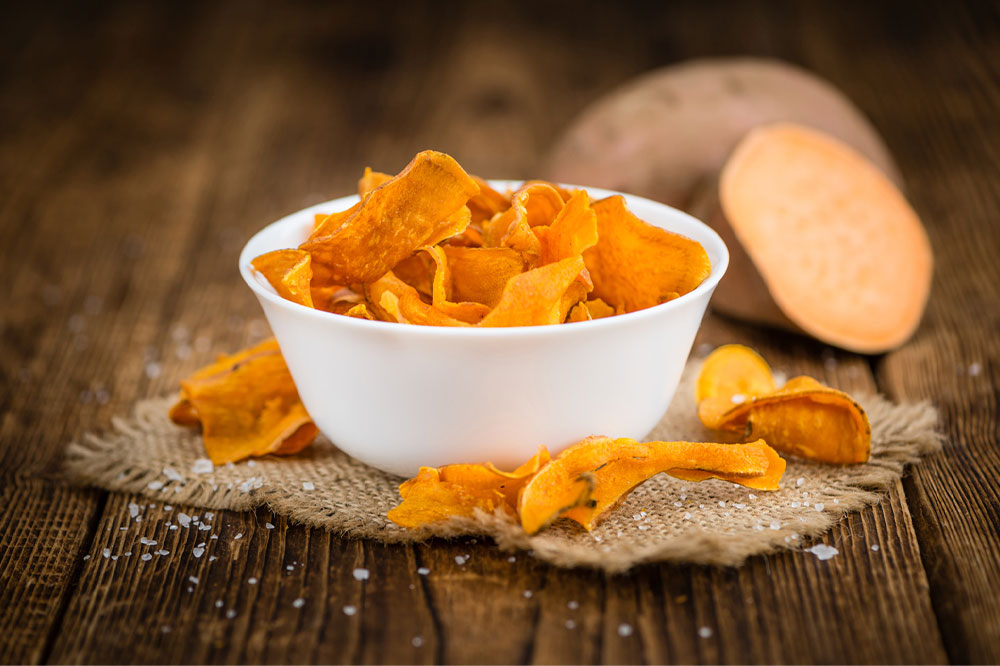
The kidneys are bean-shaped organs that are responsible for important bodily functions, like producing hormones, removing waste through urine, filtering blood, balancing minerals, and maintaining fluid balance. But, according to the American Kidney Fund, more than 1 in 7 adults in the country are affected by chronic kidney diseases. So, it is important to maintain kidney health by making better lifestyle choices and opting for foods that support kidney health. Food and kidney health The kidneys have multiple tiny blood vessels that help filter and eliminate excess water and waste from the body. If one is affected by chronic kidney diseases, the kidneys cannot filter blood, leading to the accumulation of waste in the body. Hypertension and diabetes are some of the leading causes of kidney disease. So, a healthy food plan can help prevent and manage these conditions by removing excess sodium, phosphorus, or potassium. Additionally, some foods should be limited or avoided to prevent further kidney damage. Best foods for kidney health Sweet potatoes: Sweet potatoes are similar to white potatoes but have excess fiber, which the body can take longer to break down, resulting in less of a spike in insulin levels in the body. Additionally, sweet potatoes contain various nutrients and minerals that may help balance the sodium and reduce its effect on the kidneys.
Read More
11 useful tips for anxiety management

11 useful tips for anxiety management

Nearly 84% of participants in a particular mental health survey were said to have some form of anxiety. The severity of symptoms did vary from person to person, but the fact remains that we live in a world where almost everything is a potential trigger for anxiety. And living in denial about having a psychological trigger only worsens the problem. Luckily, it is possible to manage anxiety by following the suggestions recommended by experts. Identify the triggers Anxiety is mainly triggered due to an event or episode where one finds themselves in a difficult position. It could be something that puts a person out of their comfort zone. Doctors advise people to identify these triggers and avoid them. Any comment, action, or situation that did not work out in favor triggers anxiety. So, make a list of such events and instances and ignore them the next time something happens related to that event. At the same time, try to remain positive as it can help strengthen the mind to manage anxiety better. Keep busy Distraction is one of the simplest ways to prevent a panic or anxiety attack. You can perform simple chores or indulge in a favorite task to stay physically and mentally occupied for a few hours.
Read More