Tips to prevent age-related macular degeneration
Tips to prevent age-related macular degeneration
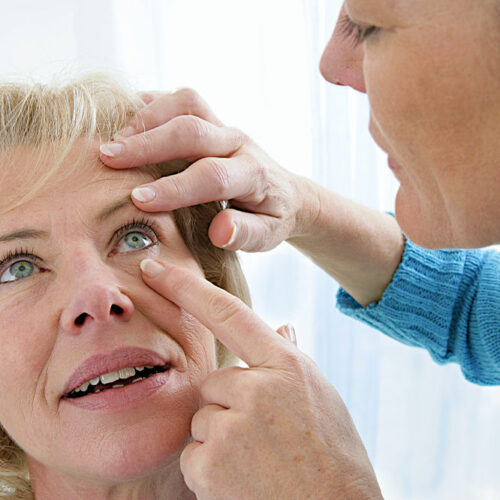
Age-related macular degeneration is a degenerative condition that primarily affects people over 50. This disorder thins and deteriorates the macula, the area of the eye that produces the clearest, most detailed vision. Early detection and treatment can lower the chances of permanent vision loss. Simple lifestyle changes, such as eating healthier and exercising regularly, can significantly reduce the risk of AMD. Here are a few simple lifestyle modifications that can help prevent the condition. Lifestyle modification tips to prevent age-related macular degeneration Maintain a normal blood pressure level Hypertension promotes AMD by decreasing blood flow to the vascular layer of the eye, known as the choroid. The lack of oxygen in the eye accelerates the deterioration and increases the risk of wet AMD and central vision loss. It is preferable to keep blood pressure under control to avoid this situation. Maintaining a healthy lifestyle, avoiding fried foods, eating well, and exercising regularly can all help keep blood pressure under control. Although this condition has nothing to do with weight, a body mass index of 30 can make it worse, so it is preferable to keep a low BMI. Consume more antioxidant-rich foods Antioxidants are chemicals that prevent or reduce free radical damage to cells.


Top laundry detergent brands and tips to consider

Top laundry detergent brands and tips to consider
Every household uses laundry detergent regularly to take care of various cleaning tasks and to keep clothes clean, fresh, and odor-free after each wash. However, every detergent is unique and has multiple benefits and drawbacks. Some detergents can also cause allergies, so finding a detergent that meets all your needs while leaving your clothes soft and fluffy is essential. Here are a few highly efficient laundry detergents and their features to consider. Top laundry detergent brands Hygienic Clean Heavy 10x Duty Power PODS These pods are designed to effectively penetrate the fibers and the spaces between them. It dissolves and removes body oils and other unwanted substances that are invisible to the naked eye. In terms of cleaning effectiveness, it outperforms all other detergents. Even without using bleach, it makes white t-shirts and bedding whiter. These large Power Pods, which contain more cleaning agents than two regular pods, are an excellent choice for families who wash a lot of clothes on a regular basis. The only disadvantage is that the pods may be too large for light loads. ProClean + Stain Fighter Liquid Laundry Detergent When it comes to liquid detergents, Persil ProClean is an excellent choice. It works well to remove stains when used with cold water, and switching to a cold washing method can help save electricity.

11 useful tips for anxiety management

11 useful tips for anxiety management
Nearly 84% of participants in a particular mental health survey were said to have some form of anxiety. The severity of symptoms did vary from person to person, but the fact remains that we live in a world where almost everything is a potential trigger for anxiety. And living in denial about having a psychological trigger only worsens the problem. Luckily, it is possible to manage anxiety by following the suggestions recommended by experts. Identify the triggers Anxiety is mainly triggered due to an event or episode where one finds themselves in a difficult position. It could be something that puts a person out of their comfort zone. Doctors advise people to identify these triggers and avoid them. Any comment, action, or situation that did not work out in favor triggers anxiety. So, make a list of such events and instances and ignore them the next time something happens related to that event. At the same time, try to remain positive as it can help strengthen the mind to manage anxiety better. Keep busy Distraction is one of the simplest ways to prevent a panic or anxiety attack. You can perform simple chores or indulge in a favorite task to stay physically and mentally occupied for a few hours.

Signs, diagnosis, and prevention of nasal polyps

Signs, diagnosis, and prevention of nasal polyps
If you have been facing difficulty while breathing or feel that your sense of smell or taste has decreased, chances are that you may have nasal polyps. Though it is a common health condition, knowing more about it is necessary, not just because it causes discomfort; one-sided nasal polyps growth may indicate a cancerous tumor. Read further to learn more about nasal polyps, symptoms, causes, diagnosis, and lines of treatment. Nasal polyps They are soft, benign, and painless growths on the lining of sinuses or nasal passages. They are sac-like in appearance and vary in size and shape. Sinuses are located inside the facial bones and are air-filled spaces. They are connected to your nasal cavity and help you breathe. Nasal polyps, especially when they grow in size, act as obstructions, cause trouble breathing, and usually affect both sides of your nasal passages. According to the research, 4% of people worldwide suffer from this condition . Causes Although the exact cause of nasal polyps is unknown until now, it is attributed to long-term or recurrent inflammation of the mucus membranes of the sinuses or the nasal passages. It is often caused due to conditions such as asthma, long-term sinus infections, cystic fibrosis, sensitivity to aspirin, allergic fungal sinusitis (caused due to fungi in the air), vitamin D deficiency, abnormal inflammation of the blood vessels caused due to Churg-Strauss Syndrome, or a family history of nasal polyps.

Kidney disease management – Things to keep in mind

Kidney disease management – Things to keep in mind
The kidneys are bean-shaped organs that perform various critical functions inside the human body. They help filter blood, eradicate waste through urine, maintain fluid balance, balance minerals, and produce hormones. However, certain conditions may affect kidneys’ functioning, leading to more severe health risks. Certain risk factors are associated with kidney disorders, the prominent ones being high blood pressure and diabetes. Some common symptoms, causes, and management of kidney disease are detailed below. Common symptoms More than one in seven adults, or nearly 37 million people in the country, suffers from chronic kidney disease (CKD) – a type of kidney disorder. Initially, it is challenging to find out the symptoms. Some early indicators and symptoms of kidney disease are fatigue, sleeping troubles, dry and itchy skin, breathlessness, muscle cramps, vomiting and nausea, changes in urination patterns, loss of appetite, and swelling in the ankles and feet. As kidney disease progresses and leads to kidney failure, the symptoms that develop include rashes, fever, nosebleeds, severe abdominal and back pain, vomiting, and diarrhea. Causes Multiple causes are associated with kidney disease, including high blood pressure, diabetes, vasculitis, cardiovascular diseases, genetics, age, and autoimmune diseases. High blood pressure High blood pressure is a prominent cause of kidney disease as it damages the blood vessels and reduces blood supply to the kidneys.

Type 2 diabetes – Effects and early warning signs

Type 2 diabetes – Effects and early warning signs
Despite widespread awareness that type 1 and type 2 diabetes are chronic diseases, individuals frequently go years without getting tested or diagnosed. In type 1 diabetes, our body does not produce enough insulin, and in type 2 diabetes, our bodies do not respond well to insulin and cannot regulate or metabolize blood sugar. Type 2 diabetes is more common, and the number of people affected by it is rising globally. Importance of diagnosing type 2 diabetes There is more research required to fully understand type 2 diabetes as an increasing number of children and young adults are developing the condition. Despite its widespread prevalence, many tend to ignore it as they assume they are not at risk if they don’t meet specific criteria. On the contrary, it can affect anyone at any age, even those who are health-conscious and fit. Knowing if a person is at risk for type 2 diabetes or identifying the symptoms early can help reverse or delay its impact. If it is diagnosed only after the blood sugar becomes quite high, reversing it may take longer. Type 2 diabetes can affect your quality of life as you must be mindful of your meals and watchful about your physical fitness all your life.

Our
Blog.

Atrial fibrillation – Causes, symptoms, and management tips

Atrial fibrillation – Causes, symptoms, and management tips

The human heart is susceptible to several health complications, including atrial fibrillation (AFib). The condition is the most common type of treated heart arrhythmia, which is a term describing when the heart beats unusually slowly, fast, or irregularly. AFib is estimated to affect between 2.7 million to 6.1 million individuals in the country. An individual with the complication experiences irregular beating in the heart’s upper chambers, affecting blood flow, leading to health complications. Causes Irregularities in the structure of the heart are the most common cause of atrial fibrillation. Sometimes people may develop the condition without any known heart damage or problems. Risk factors like age may also contribute to the development of atrial fibrillation. Other potential causes of the phenomenon include a heart attack, sick sinus syndrome – issues with the heart’s natural pacemaker, coronary artery disease, congenital heart defect – A heart defect that an individual might be born with, high blood pressure, lung diseases, heart valve problems, use of stimulants, including certain prescriptions and caffeine, physical stress caused due to pneumonia, other illnesses, and also surgery, sleep apnea, overactive thyroid (hyperthyroidism), metabolic imbalances, viral infections, and complications due to earlier heart surgery. Symptoms A person who develops atrial fibrillation may not notice symptoms, and the condition is detected only after a physical examination.
Read More
Decoding the top 10 myths of AMD

Decoding the top 10 myths of AMD

Old age can lead to the development of various kinds of diseases, and age-related macular degeneration is one among them. This eye disease can occur in people above 50 years, leading to vision issues, especially the ability to look straight. There are multiple misconceptions associated with the problem that it causes complete blindness; however, the fact is only central vision is lost. Let’s have a look at the other myths associated with the condition. Macular degeneration is not very common Age-related macular degeneration is not a disease that is very rare and affects only a percentage of people. The disease is the most common reason that leads to loss of vision and is known to affect even people who are as young as 20 years old. There are specifically two types of AMD which are dry and wet. Dry macular degeneration causes the cells present in the macula, the central part of the retina, to die, leading to blurry central vision. In the case of wet macular degeneration, the fluid present in the blood vessel exudes into the macula and leads to blind spots. The majority of cases are those of dry AMD, while wet AMD is taken as a more advanced form of the disease since it leads to swift and chronic damage to vision.
Read More