Meal plans to help manage atrial fibrillation

Meal plans to help manage atrial fibrillation
Atrial fibrillation (Afib) occurs when the upper chambers of your heart beat out of sync with the lower chambers. Its symptoms include dizziness, breathing problems, fatigue, and palpitations. One of the most prevalent arrhythmias is Afib, and coronary heart disease, excess weight, and high blood pressure are some risk factors for the condition. When untreated, it can lead to a stroke. However, Afib can be managed via certain food choices. Fruits and vegetables You’ve certainly been told to eat your fruits and vegetables before, but those with Afib and other types of heart disease should remember this advice in particular. Numerous fruits and vegetables are rich in magnesium, which lowers the risk of heart disease and stroke, as well as vitamins C, K, and A, which can help prevent the accumulation of arterial plaque. Additionally, eating a lot of these low-fat, low-sodium, and low-calorie items can aid in weight management. Fruits rich in antioxidants and vitamins include blueberries, strawberries, raspberries, and cranberries. Compared to most canned, dried, and fruit juices, fresh fruits have greater nutrients and less sugar. Look for frozen fruits if fresh fruits are out of season, too expensive, or too complicated to prepare. They are a terrific smoothie ingredient and might be a cheaper, healthier alternative.
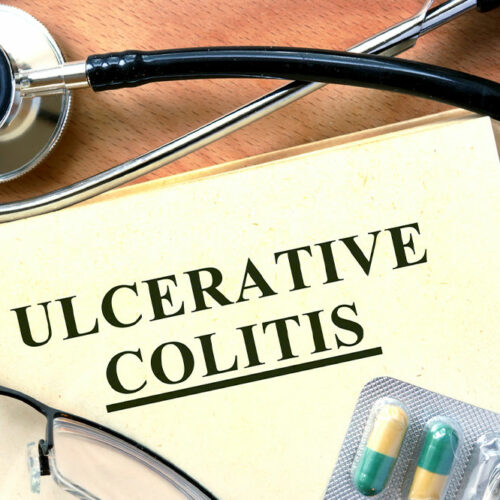

Simple tips for managing ulcerative colitis

Simple tips for managing ulcerative colitis
Ulcerative colitis is an unpredictable and highly inflammatory bowel disease. People with this condition frequently experience ulcers in their colon, a part of the large intestine. Additionally, diarrhea, bloody stools, abdominal cramps, and constipation are common indicators of this disorder. Such symptoms may worsen once in a while, known as flare-ups, while on other occasions, one may experience none. Here are some simple and effective ways to manage ulcerative colitis symptoms: Reducing fiber intake Surprisingly, fiber-rich foods can trigger ulcerative colitis flare-ups in people with the condition. Fiber is a good option for people looking to improve their bowel health and regularity. However, too much fiber has been found to aggravate ulcerative colitis flare-ups. To offset this, patients can consume low-fiber foods such as butter, tofu, eggs, fish, refined carbohydrates (white bread, white rice, white pasta), fish, juice with no pulp, and a few cooked fruits with no seeds or skin. Exercising regularly Following a regular exercise routine is always advisable due to the range of health benefits it brings into a person’s life. Daily workouts also help reduce the symptoms and complications associated with ulcerative colitis. When a person living with this disorder exercises regularly, they can counter some of the more extreme symptoms, such as a weakened immune system, decreased bone density, stress and pain, and the emotional turmoil that all these bring.

Dental implants for seniors and their advantages

Dental implants for seniors and their advantages
Dental implants are artificial devices surgically attached to the jaw to replace the function of a lost tooth. It can also restore a person’s appearance if they have more than one tooth missing. While a person may lose teeth due to an injury or disease, seniors may lose them due to an accident, tooth decay, or gum disease. Dental implants are alternatives to removable dentures that help seniors maintain essential dental functions. The connection between aging and dental health As part of the natural aging process, dental health can impact our overall health more than we give credit for. After fifty, as our teeth start to wear out, we may need more time and effort to take care of them. Cavities begin to form more frequently, resulting in poor oral health, which can increase one’s risk of stroke, heart disease, and diabetes. The inability to chew properly can affect seniors’ nutritional intake too. In some cases, aged individuals might have difficulties in moving the food around or chewing it well, leading to indigestion and gastric problems. Dental implants for seniors Dental implants have three main components – the implant, the connector or the abutment, and the crown. The crown is a custom-made artificial tooth.

16 Food Options to Have and Avoid for Hyperkalemia Patients

16 Food Options to Have and Avoid for Hyperkalemia Patients
Hyperkalemia is a condition wherein patients show the presence of excessive levels of potassium in the blood. It causes an electrolyte imbalance in the body, potentially leading to severe health concerns. The condition is rare since the body can regulate the electrolyte balance. Some common hyperkalemia symptoms include muscle weakness, fatigue, nausea, heart palpitations, and irregular heartbeats. Carefully selecting the right foods can help manage blood potassium levels without resorting to prescriptions and other treatments. Foods that are safe for hyperkalemia patients Apples Apples are a rich source of soluble fiber that helps decrease cholesterol levels in the body and promote overall health. They also have low levels of potassium, which makes them a great choice for people with hyperkalemia. Apples can also be included in the form of applesauce or juice. Blueberries Blueberries are rich in antioxidants and can help the body fight off oxidative damage caused by the presence of free radicals. Their low potassium and high fiber content makes them a hyperkalemia-friendly food that can be had safely. Blackberries, strawberries, and raspberries can also be included in the meal plan. Cabbage Cabbage is a good source of vitamins C and K that help improve bone health and strengthen immunity.

Top 5 foods for managing osteoporosis

Top 5 foods for managing osteoporosis
Consuming healthier food rich in vitamin D, calcium, and other minerals is necessary for the health of your bones and body. You should be able to receive all the nutrients in a well-balanced meal that includes plenty of dairy, seafood, fruits, and vegetables. But, if you’re not receiving these foods, you may need to supplement your meal plan with multivitamins or other treatment methods. This write-up will help you identify suitable foods for managing osteoporosis. What is osteoporosis? Osteoporosis makes an individual’s bones brittle and weak, making them fragile, where minor movements like coughing or bending over can break them. Osteoporosis is the cause of frequent wrist, hip, and spine fractures. As you know, bone is a living tissue that undergoes continuous transformation, deterioration, and replacement. Osteoporosis is developed when the production of new bone is insufficient to balance the loss of existing bone. Symptoms of osteoporosis At the early stages of bone loss, no symptoms are seen. Gradually your body starts to exhibit severe signs of osteoporosis. A person with osteoporosis may experience the following signs and symptoms after developing it: Collapse resulting in back pain or vertebral fracture Height decline with time A hunched position Frequent bone fractures Top 5 foods that help manage osteoporosis Protein and calcium are crucial in maintaining bone health as they are vital to bone tissue.

9 toxic foods one should not feed their pets

9 toxic foods one should not feed their pets
As much as pets whine for a morsel off our plates, people should refrain from feeding their pets human food. There is a reason why specifically-manufactured pet food exists: the human digestive system is vastly different from a pet’s; what is edible and delicious for somebody can be toxic and downright deadly for their pets. Such foods can lead to long-term illnesses too. Thus, here are some of the toxic foods to avoid for pets: Pork chops Foods that are heavy in fats and contain meat trimmings and bones should never be given to pets. Unfortunately, pork chops contain both, making them one of the worst foods to feed pets. Dogs are especially vulnerable to the severe effects of being fed pork chops. In its cooked and uncooked forms, this food tends to cause pancreatitis in dogs. Additionally, it is also a choking hazard, which can be life-threatening. What’s more, pork chops have also been found to cause lacerations and digestive tract obstructions in dogs. In fact, pork chops cause health problems in other animals too. The fatty elements of pork chops cause vomiting and diarrhea in animals, especially dogs. Therefore, one must avoid feeding chicken, pork, turkey, rib bones, burgers, hot dogs, steak, and fried chicken to one’s pets.

Our
Blog.

Managing kidney health – Best and worst foods

Managing kidney health – Best and worst foods

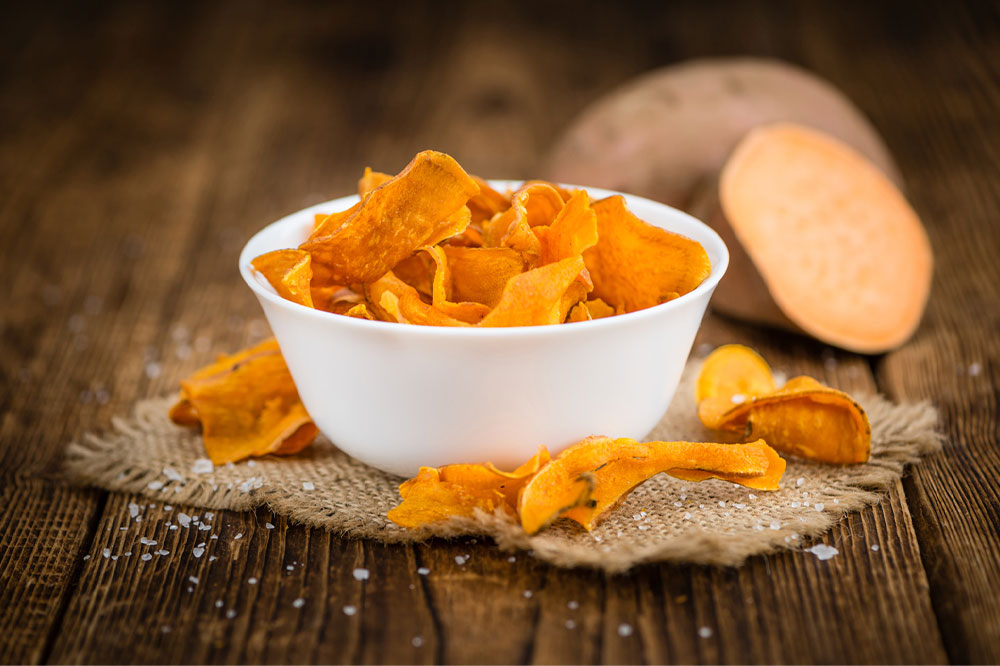
The kidneys are bean-shaped organs that are responsible for important bodily functions, like producing hormones, removing waste through urine, filtering blood, balancing minerals, and maintaining fluid balance. But, according to the American Kidney Fund, more than 1 in 7 adults in the country are affected by chronic kidney diseases. So, it is important to maintain kidney health by making better lifestyle choices and opting for foods that support kidney health. Food and kidney health The kidneys have multiple tiny blood vessels that help filter and eliminate excess water and waste from the body. If one is affected by chronic kidney diseases, the kidneys cannot filter blood, leading to the accumulation of waste in the body. Hypertension and diabetes are some of the leading causes of kidney disease. So, a healthy food plan can help prevent and manage these conditions by removing excess sodium, phosphorus, or potassium. Additionally, some foods should be limited or avoided to prevent further kidney damage. Best foods for kidney health Sweet potatoes: Sweet potatoes are similar to white potatoes but have excess fiber, which the body can take longer to break down, resulting in less of a spike in insulin levels in the body. Additionally, sweet potatoes contain various nutrients and minerals that may help balance the sodium and reduce its effect on the kidneys.
Read More
11 useful tips for anxiety management

11 useful tips for anxiety management

Nearly 84% of participants in a particular mental health survey were said to have some form of anxiety. The severity of symptoms did vary from person to person, but the fact remains that we live in a world where almost everything is a potential trigger for anxiety. And living in denial about having a psychological trigger only worsens the problem. Luckily, it is possible to manage anxiety by following the suggestions recommended by experts. Identify the triggers Anxiety is mainly triggered due to an event or episode where one finds themselves in a difficult position. It could be something that puts a person out of their comfort zone. Doctors advise people to identify these triggers and avoid them. Any comment, action, or situation that did not work out in favor triggers anxiety. So, make a list of such events and instances and ignore them the next time something happens related to that event. At the same time, try to remain positive as it can help strengthen the mind to manage anxiety better. Keep busy Distraction is one of the simplest ways to prevent a panic or anxiety attack. You can perform simple chores or indulge in a favorite task to stay physically and mentally occupied for a few hours.
Read More