6 types of dog foods that pet owners should know about

6 types of dog foods that pet owners should know about
As a dog parent, one of the key responsibilities one has is caring for the nutritional needs of one’s pet friend. Currently, various types of dog foods are available on the market – each with its own set of benefits. These include dry food, canned food, raw dog food, and more. Knowing these types of dog foods is important in ensuring one’s furry friend receives all the essential nutrients they need. 1. Dry food Dry food is the most preferred food for dogs for several reasons. Firstly, it tends to be cheaper than other alternatives. Secondly, it has a longer shelf life and does not demand refrigeration. Thirdly, it is easy to serve and does not require any preparation. Dry food also does not create much mess, so one does not need to put much effort into cleaning up once their dog is done eating. Dry food is also available in various forms, including biscuits, kibbles, and flakes. It is also advantageous for the dog’s health, as dry food is crunchy for them to eat. This reduces tartar buildup in their teeth and improves oral health. However, before choosing a packet of dry dog food, pet parents must check its ingredients to confirm that it has no artificial flavors or preservatives.

9 popular ways to remove unwanted hair

9 popular ways to remove unwanted hair
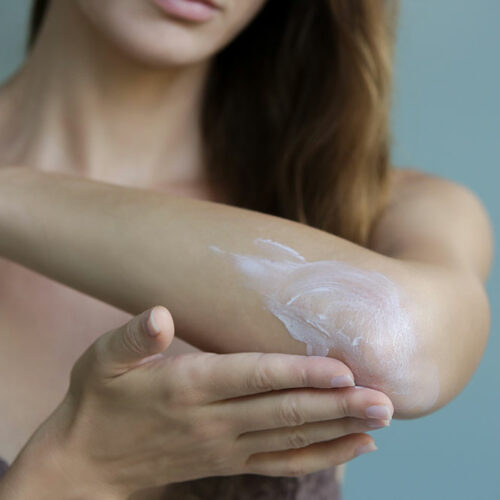
Whether for aesthetic or functional purposes, many people remove unwanted hair from their bodies, particularly on their upper lip, chin, cheeks, back, legs, armpits, fingers, feet, and toes. Hair removal needs for each individual differ based on their skin type, time commitment, budget, and even the part of the body. This article lists a few common methods of hair removal that can help you get rid of unwanted hair. Check them out. Shaving: Shaving is one of the first methods of hair removal most people try. It involves using a razor to cut hair from the skin’s surface. This method of hair removal is quick and easy to use. Depending on your budget, you can invest in various razors, from inexpensive disposable razors (used on wet skin) to high-cost electric razors (for dry skin).Results from a shave can last anywhere from one to three days. However, improper use of a razor can lead to nicks, cuts, and skin irritation. Since razors cut the hair at an angle, it will likely grow back more bluntly, making regrowth more noticeable. For a smooth shave, it is advisable to hydrate the skin well and use shaving cream or foam. Tweezing: This method is commonly used around the eyebrow, nose, and stray facial hair.

12 practical remedies to manage dermatitis itching

12 practical remedies to manage dermatitis itching
Itching can be a very uncomfortable experience. Itchy skin often results from dermatitis, an inflammation of the skin that causes redness, irritation, and itching. Itchy skin that is severe or stays more than six weeks can affect the quality of your life. There are many ways to manage the itching caused by dermatitis, but some options work better, depending on an individual’s condition. Some of the remedies that help relieve itching are listed below. Itching creams and powders One can use creams and powders to relieve the itching. Use them regularly, but ensure to apply only a little portion on the skin. If someone has an intolerance or allergy to any ingredients in a particular product, consult a doctor before using such creams or powders. Natural oils Natural oils like coconut oil, primrose oil, and sunflower seed oil are helpful due to their antimicrobial properties. However, wash with a gentle cleanser and apply your moisturizer to finish the process. Apply the natural oil to your skin, and let it absorb for about 30 minutes before washing it off. One can also use a serum or moisturizer with coconut oil as the main ingredient. It is often suggested to treat acne and other skin problems.

14 factors that may cause lung damage

14 factors that may cause lung damage
Chronic lung diseases accounted for over 150,000 deaths in the country in 2020. These conditions may affect the airways, lung tissue, or blood circulation in the lungs. The occurrence of lung diseases is exacerbated by the inhalation of chemical irritants and toxins in home and work environments. Although most diseases are caused by repeated, long-term exposure to hazardous substances, even a one-time or indirect exposure may cause lasting damage to the lungs. Household factors that may cause lung damage Mold Mold is a type of fungus. It multiplies by forming spores, which can remain suspended in the air for long periods. These spores may cause serious infections for those with mold allergies, Chronic Obstructive Pulmonary Disorder (COPD), or a weak immune system. To avoid mold growth around the house, fix any leaks, avoid compost piles, and get rid of clumps of cut grass promptly. Carpet Carpet fabric has several crevices that can trap mold, cockroach droppings, dust mites, and even toxic gasses. This can have a significant impact on one’s lungs. Instead of carpets, look into wood flooring, as it is easier to clean. Alternatively, invest in rugs that can be washed and cleaned regularly. Ideally, carpets must be vacuumed at least three times a week and steam cleaned once a year.

12 household items that may cause lung irritation and COPD

12 household items that may cause lung irritation and COPD
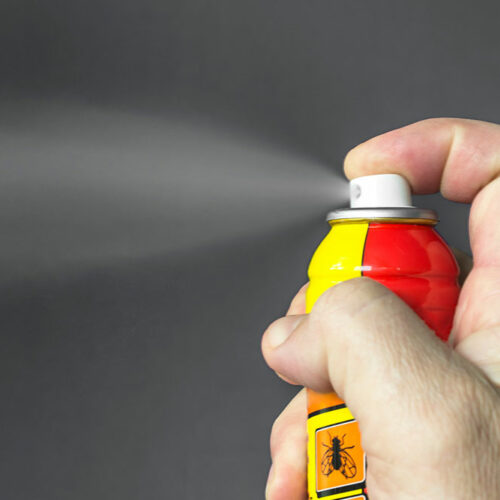
While keeping the indoor space clean and sanitized is good for one’s overall health and hygiene, certain products used to maintain cleanliness might damage health. Moreover, one may have several household items that may seem harmless. But, most of these products can potentially increase the risk of lung-related health conditions, such as chronic obstructive pulmonary disease (COPD). Here are some commonly used household items that may harm the lungs and cause COPD. Bleach Commonly found in many households, bleach works as an effective disinfectant. It is often combined with other solutions to clean and sanitize different surfaces. However, bleach has high amounts of chlorine, and when mixed with other chemicals, chlorine gas is released into the surrounding air. If the space is not well-ventilated, one may end up inhaling the chlorine gas. If this happens on a regular basis, it may lead to permanent lung conditions such as shortness of breath and COPD. Aerosol sprays With multipurpose uses, aerosol sprays are quite convenient. From makeup products to air fresheners and foaming agents to deodorants, aerosol sprays are among common household products. However, the convenience of using them comes at the cost of lung damage. While infrequent use in well-ventilated spaces may not lead to much harm, the chemicals and fine particles released into the air can cause lung irritation after prolonged exposure.

4 common mistakes to avoid while choosing a front door for the house

4 common mistakes to avoid while choosing a front door for the house
When designing or redecorating their homes, people often focus on the spaces where they spend most of their day. Sometimes, a lot of emphasis is placed on lighting and colors to make a good impression. However, one aspect many overlook is the front door. Choosing the right front door is essential for aesthetics and even safety. Some common mistakes often prevent people from finding the perfect front door for their house. Picking the wrong material for the door Homeowners often pick a door based on how it looks. They put a lot of emphasis on aesthetics rather than what the door is made of. Sure, a good-looking door is essential, but it will not be of much help if it is weak and cannot withstand the weather. For instance, if the weather around one’s house is mostly humid, front doors made of wood will not last long. People should pick a door made of materials suitable for the weather conditions that prevail in their location throughout the year. Below are some commonly used materials for front doors: Fiberglass Fiberglass is an excellent material for a front door because it is energy efficient. It helps maintain the temperature inside while giving a contemporary look to the exterior.

Our
Blog.

Managing kidney health – Best and worst foods

Managing kidney health – Best and worst foods

The kidneys are bean-shaped organs that are responsible for important bodily functions, like producing hormones, removing waste through urine, filtering blood, balancing minerals, and maintaining fluid balance. But, according to the American Kidney Fund, more than 1 in 7 adults in the country are affected by chronic kidney diseases. So, it is important to maintain kidney health by making better lifestyle choices and opting for foods that support kidney health. Food and kidney health The kidneys have multiple tiny blood vessels that help filter and eliminate excess water and waste from the body. If one is affected by chronic kidney diseases, the kidneys cannot filter blood, leading to the accumulation of waste in the body. Hypertension and diabetes are some of the leading causes of kidney disease. So, a healthy food plan can help prevent and manage these conditions by removing excess sodium, phosphorus, or potassium. Additionally, some foods should be limited or avoided to prevent further kidney damage. Best foods for kidney health Sweet potatoes: Sweet potatoes are similar to white potatoes but have excess fiber, which the body can take longer to break down, resulting in less of a spike in insulin levels in the body. Additionally, sweet potatoes contain various nutrients and minerals that may help balance the sodium and reduce its effect on the kidneys.
Read More
11 useful tips for anxiety management

11 useful tips for anxiety management

Nearly 84% of participants in a particular mental health survey were said to have some form of anxiety. The severity of symptoms did vary from person to person, but the fact remains that we live in a world where almost everything is a potential trigger for anxiety. And living in denial about having a psychological trigger only worsens the problem. Luckily, it is possible to manage anxiety by following the suggestions recommended by experts. Identify the triggers Anxiety is mainly triggered due to an event or episode where one finds themselves in a difficult position. It could be something that puts a person out of their comfort zone. Doctors advise people to identify these triggers and avoid them. Any comment, action, or situation that did not work out in favor triggers anxiety. So, make a list of such events and instances and ignore them the next time something happens related to that event. At the same time, try to remain positive as it can help strengthen the mind to manage anxiety better. Keep busy Distraction is one of the simplest ways to prevent a panic or anxiety attack. You can perform simple chores or indulge in a favorite task to stay physically and mentally occupied for a few hours.
Read More