Top 5 foods for managing osteoporosis
Top 5 foods for managing osteoporosis
Consuming healthier food rich in vitamin D, calcium, and other minerals is necessary for the health of your bones and body. You should be able to receive all the nutrients in a well-balanced meal that includes plenty of dairy, seafood, fruits, and vegetables. But, if you’re not receiving these foods, you may need to supplement your meal plan with multivitamins or other treatment methods. This write-up will help you identify suitable foods for managing osteoporosis. What is osteoporosis? Osteoporosis makes an individual’s bones brittle and weak, making them fragile, where minor movements like coughing or bending over can break them. Osteoporosis is the cause of frequent wrist, hip, and spine fractures. As you know, bone is a living tissue that undergoes continuous transformation, deterioration, and replacement. Osteoporosis is developed when the production of new bone is insufficient to balance the loss of existing bone. Symptoms of osteoporosis At the early stages of bone loss, no symptoms are seen. Gradually your body starts to exhibit severe signs of osteoporosis. A person with osteoporosis may experience the following signs and symptoms after developing it: Collapse resulting in back pain or vertebral fracture Height decline with time A hunched position Frequent bone fractures Top 5 foods that help manage osteoporosis Protein and calcium are crucial in maintaining bone health as they are vital to bone tissue.


12 breakfast ideas for managing arthritis and joint discomfort

12 breakfast ideas for managing arthritis and joint discomfort
Arthritis and joint pain can interfere with daily life, making the simplest of tasks challenging. While treatment is crucial, complementing it with a joint-friendly breakfast routine can help alleviate discomfort and improve mobility. Nutrient-rich foods added to delicious recipes can support joint health to make carrying out everyday tasks easier. This article explores 12 flavorful and wholesome breakfast options that can make a significant difference in managing arthritis and joint pain. Oatmeal Oatmeal has long been hailed as a nutritional powerhouse, and it is an excellent choice for those dealing with joint pain. This comforting breakfast option is rich in soluble fiber, which helps lower inflammation—a major contributor to arthritis discomfort. Additionally, oatmeal contains beta-glucans, compounds known for their immune-boosting properties. To make it even more joint-friendly, one can top the oatmeal with antioxidant-rich fruits like berries and a sprinkle of cinnamon for added flavor and anti-inflammatory benefits. Greek yogurt Greek yogurt, with its creamy texture and protein punch, is a great addition to any morning routine. The high protein food helps maintain muscle mass, which is crucial for supporting joints. Plus, it is packed with calcium, essential for strong bones and cartilage. One should opt for plain Greek yogurt and add fresh fruits like bananas and kiwis.

5 strategies to enhance immunity against severe respiratory viruses

5 strategies to enhance immunity against severe respiratory viruses
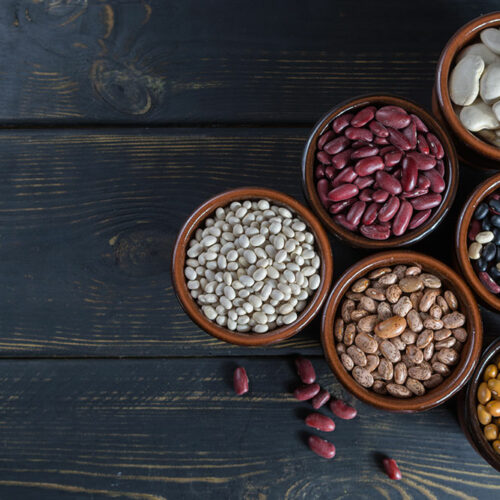
In an age where severe respiratory viruses pose a constant threat, bolstering one’s immunity against these pathogens has never been more crucial. While the world is no stranger to outbreaks, recent events have highlighted the pressing need to fortify the body’s defenses against such diseases. This article explores five strategies that can help improve immunity against severe respiratory viruses. These approaches offer a comprehensive perspective on safeguarding respiratory health, from lifestyle adjustments to preventative measures. Nutritional support Proper nutrition plays an essential role in supporting the immune system and its ability to fend off severe respiratory viruses. A balanced meal plan rich in vitamins, minerals, probiotics, and antioxidants can enhance the body’s ability to defend against infections. Incorporating immune-boosting foods Intake of foods rich in vitamins and minerals is fundamental to strengthening immunity. Citrus fruits, such as oranges and lemons, are known for their high vitamin C content, which can help fight respiratory infections. Additionally, dark leafy greens, like spinach and kale, are packed with vitamins A and C, which improve the immune response. Focus on zinc-rich foods Zinc is another vital nutrient for immune function. Foods like nuts, seeds, and legumes are excellent sources of zinc. Incorporating these into one’s foods can help improve the body’s ability to combat respiratory viruses.

Here’s why Novavax could be an alternative to mRNA vaccines

Here’s why Novavax could be an alternative to mRNA vaccines
In the global fight against COVID-19, mRNA vaccines have played an important role in curbing the virus’s spread. However, some individuals have experienced adverse reactions to these vaccines, prompting the exploration of alternatives. Novavax, a protein subunit vaccine, has emerged as a potential choice for those seeking an alternative. It’s important to learn how it differs from mRNA vaccines, its safety profile, efficacy, and whether it can be a better option for those affected. Understanding Novavax: A protein subunit vaccine Before delving into Novavax’s potential as an alternative, it’s essential to comprehend the fundamental principles of this vaccine platform. Novavax, developed by the biotechnology company Novavax Inc., operates on a protein subunit approach. Unlike mRNA vaccines, which introduce a fragment of the virus’s genetic material into the body, Novavax delivers a harmless piece of the virus’s surface protein. In the context of COVID-19, this surface protein is none other than the spike protein located on the virus’s outer shell. By presenting this protein to the immune system, Novavax triggers the production of antibodies that specifically target the spike protein. This immune response prepares the body to recognize and neutralize the virus if encountered. How is Novavax different from mRNA vaccines?

Avoid these 5 foods for healthy skin

Avoid these 5 foods for healthy skin
Maintaining healthy skin is not just about external skin care through creams and oils. Skin health is also affected by one’s food choices. As a variety of foods and supplements are advertised as “healthy” options, many may go for trending food products that do not offer long-term benefits for the body. Some might even cause skin issues and premature aging. So, here are five foods to avoid at all times to maintain healthy skin: Fried food Fried foods are high in fat, increasing the risk of heart disease. They contain trans fats, which may increase one’s risk of developing type 2 diabetes. Fried foods have also been shown to cause skin inflammation, making the skin more susceptible to breakouts or other problems like blemishes, wrinkles, and premature aging. While the precise impact of fried foods is still being studied, there is no denying that they are high in fat and calories. So, one should avoid foods like chips, French fries, donuts, and other deep-fried items to keep skin issues at bay. Sugary beverages Sugary beverages are one of the worst items for skin health. They can cause acne, wrinkles, and dry skin. The drinks contain excessive refined sugar, so they do not quench one’s thirst or hydrate the body but rather cause dehydration.

16 Food Options to Have and Avoid for Hyperkalemia Patients

16 Food Options to Have and Avoid for Hyperkalemia Patients
Hyperkalemia is a condition wherein patients show the presence of excessive levels of potassium in the blood. It causes an electrolyte imbalance in the body, potentially leading to severe health concerns. The condition is rare since the body can regulate the electrolyte balance. Some common hyperkalemia symptoms include muscle weakness, fatigue, nausea, heart palpitations, and irregular heartbeats. Carefully selecting the right foods can help manage blood potassium levels without resorting to prescriptions and other treatments. Foods that are safe for hyperkalemia patients Apples Apples are a rich source of soluble fiber that helps decrease cholesterol levels in the body and promote overall health. They also have low levels of potassium, which makes them a great choice for people with hyperkalemia. Apples can also be included in the form of applesauce or juice. Blueberries Blueberries are rich in antioxidants and can help the body fight off oxidative damage caused by the presence of free radicals. Their low potassium and high fiber content makes them a hyperkalemia-friendly food that can be had safely. Blackberries, strawberries, and raspberries can also be included in the meal plan. Cabbage Cabbage is a good source of vitamins C and K that help improve bone health and strengthen immunity.

Our
Blog.

Managing kidney health – Best and worst foods

Managing kidney health – Best and worst foods

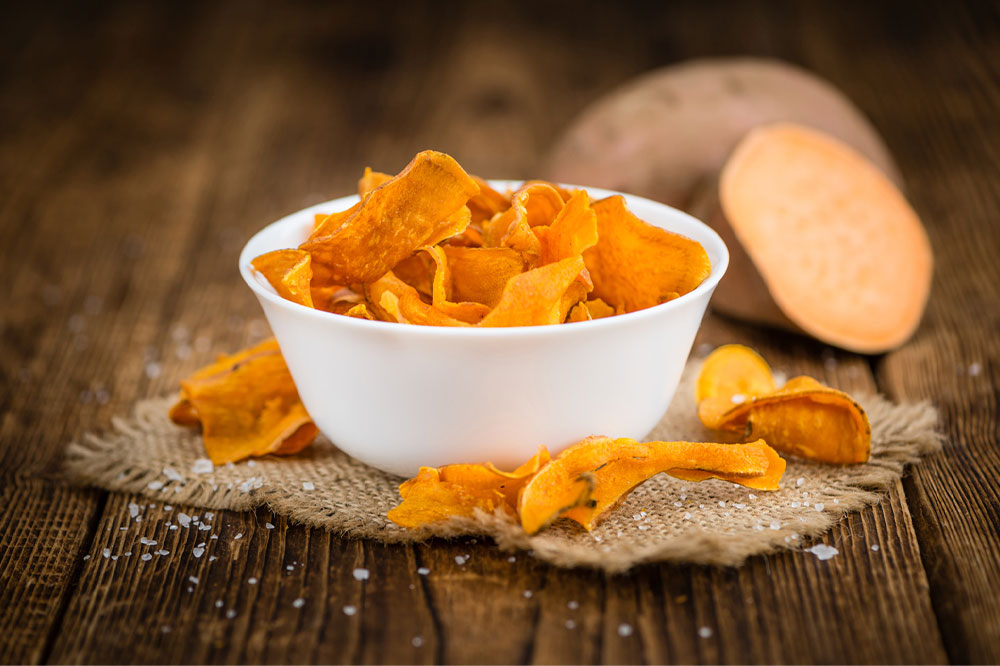
The kidneys are bean-shaped organs that are responsible for important bodily functions, like producing hormones, removing waste through urine, filtering blood, balancing minerals, and maintaining fluid balance. But, according to the American Kidney Fund, more than 1 in 7 adults in the country are affected by chronic kidney diseases. So, it is important to maintain kidney health by making better lifestyle choices and opting for foods that support kidney health. Food and kidney health The kidneys have multiple tiny blood vessels that help filter and eliminate excess water and waste from the body. If one is affected by chronic kidney diseases, the kidneys cannot filter blood, leading to the accumulation of waste in the body. Hypertension and diabetes are some of the leading causes of kidney disease. So, a healthy food plan can help prevent and manage these conditions by removing excess sodium, phosphorus, or potassium. Additionally, some foods should be limited or avoided to prevent further kidney damage. Best foods for kidney health Sweet potatoes: Sweet potatoes are similar to white potatoes but have excess fiber, which the body can take longer to break down, resulting in less of a spike in insulin levels in the body. Additionally, sweet potatoes contain various nutrients and minerals that may help balance the sodium and reduce its effect on the kidneys.
Read More
11 useful tips for anxiety management

11 useful tips for anxiety management

Nearly 84% of participants in a particular mental health survey were said to have some form of anxiety. The severity of symptoms did vary from person to person, but the fact remains that we live in a world where almost everything is a potential trigger for anxiety. And living in denial about having a psychological trigger only worsens the problem. Luckily, it is possible to manage anxiety by following the suggestions recommended by experts. Identify the triggers Anxiety is mainly triggered due to an event or episode where one finds themselves in a difficult position. It could be something that puts a person out of their comfort zone. Doctors advise people to identify these triggers and avoid them. Any comment, action, or situation that did not work out in favor triggers anxiety. So, make a list of such events and instances and ignore them the next time something happens related to that event. At the same time, try to remain positive as it can help strengthen the mind to manage anxiety better. Keep busy Distraction is one of the simplest ways to prevent a panic or anxiety attack. You can perform simple chores or indulge in a favorite task to stay physically and mentally occupied for a few hours.
Read More