Superfoods to Manage Menstrual Pain Effectively
Superfoods to Manage Menstrual Pain Effectively
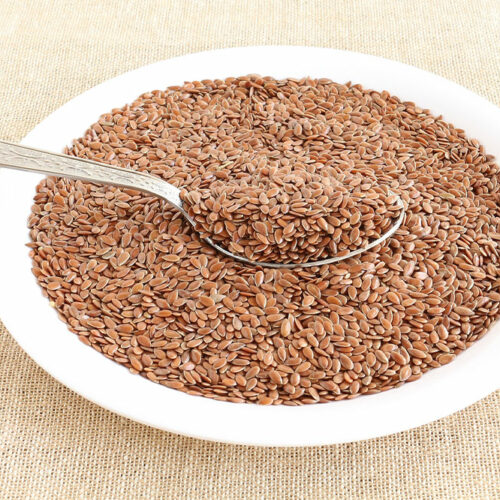
Periods are inevitable, and so are the cramps and pain that accompany them. While menstruation is cyclical, the anxiety and discomfort that comes with it do not have to be. Certain foods, exercises, and habits can address menstrual pain to a great degree. Foods, especially, play a big part in relieving menstrual pain in women of all ages. Here is the list of foods to manage period pain during the tricky part of the month: Flax seeds Seeds are a prime source of omega-3 fats, magnesium, iron, potassium, and protein, all of which contribute in different ways to making the body stronger and more resilient to period-driven cramps and pain. While most seeds tick all the boxes, flax seeds are prime examples of these qualities. Flax seeds help reduce constipation, a major menstruation symptom, in women and thereby help ease the symptoms of periods. Oranges Citrus fruits such as oranges and lemons contain vitamin C, an anti-inflammation nutrient. Vitamin C is a potent antioxidant that helps counter the heat and cramps that accompany a woman’s menstrual cycles. Apart from being antioxidant-rich, oranges are also hydrating agents due to their high water content. This is why consuming oranges during menstrual cycles can greatly alleviate cramps in women.

9 Foods to Eat While Healing From COPD Symptoms

9 Foods to Eat While Healing From COPD Symptoms
Chronic obstructive pulmonary disease, or COPD, is the umbrella term comprising progressive lung disorders- chronic bronchitis and emphysema. Both these conditions involve blockage of airflow from the lungs and have various underlying causes, including air pollution and exposure to dust. Individuals with COPD experience symptoms such as coughing up mucus, shortness of breath, and wheezing. Alongside following the suggested treatment course, incorporating certain foods into one’s meal plan can help fight the disease. Types of COPD COPD occurs in two forms – chronic bronchitis, characterized by long-term cough, and emphysema, involving damage to the air sacs. Chronic bronchitis Chronic bronchitis occurs due to inflammation and swelling of the bronchial tubes, causing the accumulation of mucus along the tube lining and narrowing of its opening. Moreover, the bronchial tubes comprise small, hair-like projections called cilia, which expel mucus from the airways. However, chronic bronchitis damages these cilia, furthering mucus accumulation. Chronic bronchitis is typically diagnosed when an individual experience cough for at least three months a year for two consecutive years and tests negative for tuberculosis and other lung conditions. Emphysema Emphysema involves the eventual rupture and damage of air sacs or alveoli, leading to large air spaces forming in the organ.

Novavax COVID-19 vaccine and the US government’s stance on additional doses

Novavax COVID-19 vaccine and the US government’s stance on additional doses
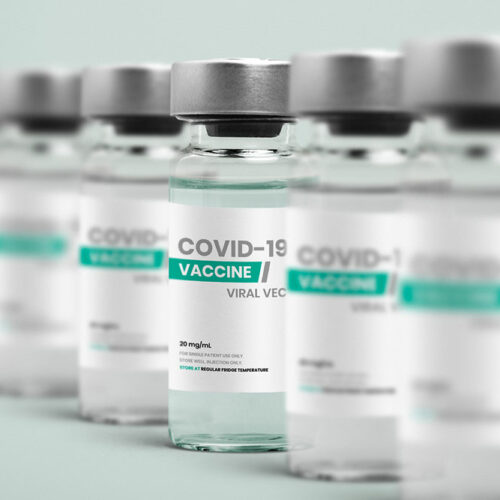
The COVID-19 pandemic has brought the world to its knees, and the development and distribution of vaccines have been critical in the fight against the virus. One of the vaccines that has gained widespread attention against the pandemic’s backdrop is the Novavax COVID-19 vaccine. This article provides insight into the Novavax COVID-19 vaccine, how it works, and the US government’s stance on procuring additional doses during the pandemic. Understanding the Novavax COVID-19 Vaccine The Novavax COVID-19 vaccine, also known as NVX-CoV2373, is a protein subunit vaccine developed by the biotechnology company Novavax. Unlike other mRNA vaccine options or viral vector vaccines, the Novavax vaccine employs a different approach. Protein subunit vaccine The Novavax vaccine is a protein subunit vaccine. This means it contains a harmless piece of the virus, in this case, the spike protein of SARS-CoV-2, which causes COVID-19. This spike protein is not infectious but is enough to stimulate an immune response when introduced into the body. Adjuvant To enhance the body’s immune response, Novavax includes an adjuvant called Matrix-M in its vaccine. The adjuvant is a substance that helps boost the body’s immune response to the spike protein, making the vaccine more effective. Certainly, here’s another piece to further understand the Novavax COVID-19 vaccine:

10 foods that can help relieve migraine

10 foods that can help relieve migraine
Migraine is a complex neurological condition causing symptoms like throbbing headaches, nausea, and sensitivity to light and sound. Migraine episodes can last for hours or days, interrupting daily routine. While there is no one-size-fits-all solution, seeking treatment, recognizing and avoiding triggers, making a few lifestyle changes, and making better food choices can also help one manage the condition. So, here are a few foods to consider when dealing with migraines: Ginger The active compound in ginger, gingerol, possesses powerful anti-inflammatory and analgesic properties. These properties make ginger an effective natural remedy for alleviating migraine pain. One can add ginger to meals or teas. Magnesium-rich foods Magnesium is crucial for neurotransmitter regulation and maintaining healthy blood vessels, making it essential for alleviating migraine symptoms. Foods like almonds, spinach, avocados, and dark chocolate are rich in magnesium, so they can help regulate blood vessel constriction and dilation. Fatty fish Fatty fish like salmon and trout are rich sources of omega-3 fatty acids, which exhibit powerful anti-inflammatory properties, potentially reducing the frequency and intensity of migraines. For those who do not prefer fish, flaxseeds and walnuts are great plant-based alternatives. Leafy greens Dark, leafy greens such as kale, spinach, and Swiss chard are excellent sources of magnesium and riboflavin (Vitamin B2).

20 strategies for supporting children with ADHD

20 strategies for supporting children with ADHD
Attention Deficit Hyperactivity Disorder (ADHD) is a complex neurodevelopmental condition that affects children’s ability to focus, control their impulses, and regulate their activity levels. Navigating the challenges of ADHD requires a multifaceted approach, encompassing a range of strategies that can empower children and their families. By understanding and implementing these strategies, parents, educators, and caregivers can create an environment that nurtures the unique strengths and potential of every child affected by ADHD. Here are a few ways to support children with ADHD: 1. Establishing a structured routine Providing a consistent framework helps children anticipate and navigate their day, fostering a sense of stability. A well-structured routine aids in reducing anxiety and providing a clear set of expectations. This routine should include specific times for waking up, meals, homework, play, and bedtime. Consistency helps children feel secure and understand what to expect each day. 2. Making use of visual aids and timers Visual tools aid in organizing tasks and managing time, aiding children in completing responsibilities efficiently. Timers provide a visual representation of time, helping children understand and manage their tasks more effectively. Visual aids can include chore charts, calendars, and task lists. Timers, especially ones that visually represent the passage of time, help children grasp the concept of time and improve time management skills.

35 nutritious heart-healthy breakfast ideas

35 nutritious heart-healthy breakfast ideas
For individuals with heart conditions, starting the day with a heart-healthy breakfast is a crucial step towards a better quality of life. What’s needed to improve heart health is a breakfast that’s low in saturated fats, cholesterol, and sodium, yet rich in fiber, antioxidants, and essential nutrients. So, here are 35 delicious and nutritious breakfast ideas that focus on making sure a person gets the required nutrients and enjoys a diverse array of flavors too. Oatmeal with fresh berries and walnuts A classic heart-healthy choice, oatmeal is packed with soluble fiber to help lower cholesterol. Top with fresh berries and chopped walnuts for added antioxidants and omega-3 fatty acids. Spinach and mushroom egg white scramble Swap whole eggs for egg whites, then add sautéed spinach and mushrooms for a low-cholesterol, high-protein breakfast. Greek yogurt with honey and pecans Greek yogurt is a protein powerhouse. Drizzle with honey and sprinkle with chopped pecans for a satisfying crunch and heart-boosting nutrients. Chia seed and berry breakfast bowl Mix chia seeds with almond milk and top with a medley of fresh berries and a drizzle of maple syrup for a fiber-rich and antioxidant-packed bowl. Avocado and tomato breakfast wrap A whole-wheat wrap filled with sliced avocado, tomatoes, and a touch of salsa provides healthy fats, vitamins, and a flavorful start to the day.

Our
Blog.

Managing kidney health – Best and worst foods

Managing kidney health – Best and worst foods

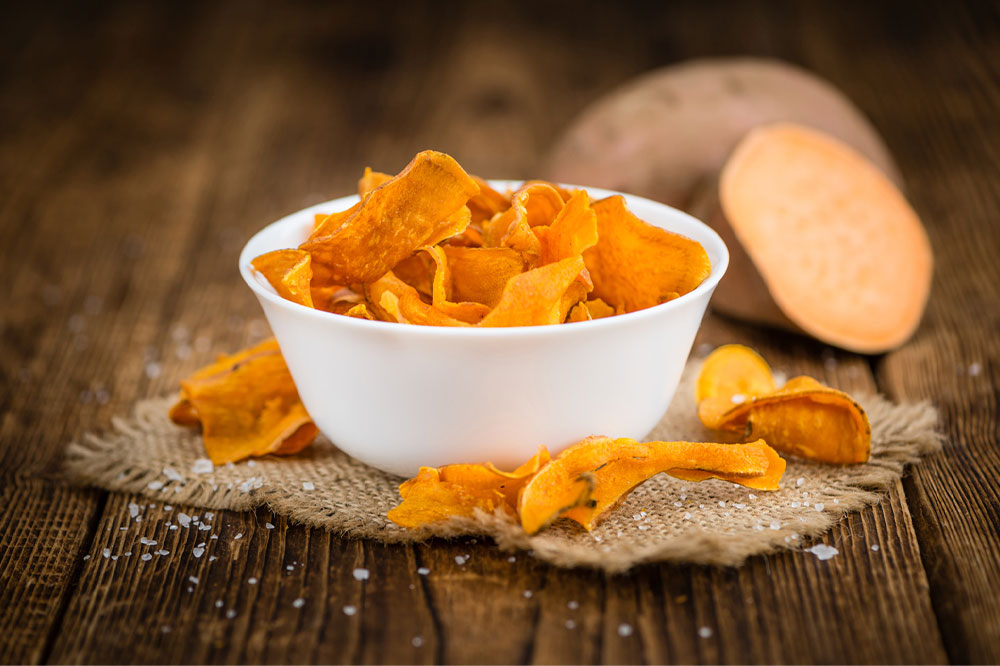
The kidneys are bean-shaped organs that are responsible for important bodily functions, like producing hormones, removing waste through urine, filtering blood, balancing minerals, and maintaining fluid balance. But, according to the American Kidney Fund, more than 1 in 7 adults in the country are affected by chronic kidney diseases. So, it is important to maintain kidney health by making better lifestyle choices and opting for foods that support kidney health. Food and kidney health The kidneys have multiple tiny blood vessels that help filter and eliminate excess water and waste from the body. If one is affected by chronic kidney diseases, the kidneys cannot filter blood, leading to the accumulation of waste in the body. Hypertension and diabetes are some of the leading causes of kidney disease. So, a healthy food plan can help prevent and manage these conditions by removing excess sodium, phosphorus, or potassium. Additionally, some foods should be limited or avoided to prevent further kidney damage. Best foods for kidney health Sweet potatoes: Sweet potatoes are similar to white potatoes but have excess fiber, which the body can take longer to break down, resulting in less of a spike in insulin levels in the body. Additionally, sweet potatoes contain various nutrients and minerals that may help balance the sodium and reduce its effect on the kidneys.
Read More
11 useful tips for anxiety management

11 useful tips for anxiety management

Nearly 84% of participants in a particular mental health survey were said to have some form of anxiety. The severity of symptoms did vary from person to person, but the fact remains that we live in a world where almost everything is a potential trigger for anxiety. And living in denial about having a psychological trigger only worsens the problem. Luckily, it is possible to manage anxiety by following the suggestions recommended by experts. Identify the triggers Anxiety is mainly triggered due to an event or episode where one finds themselves in a difficult position. It could be something that puts a person out of their comfort zone. Doctors advise people to identify these triggers and avoid them. Any comment, action, or situation that did not work out in favor triggers anxiety. So, make a list of such events and instances and ignore them the next time something happens related to that event. At the same time, try to remain positive as it can help strengthen the mind to manage anxiety better. Keep busy Distraction is one of the simplest ways to prevent a panic or anxiety attack. You can perform simple chores or indulge in a favorite task to stay physically and mentally occupied for a few hours.
Read More