6 common roofing mistakes to avoid

6 common roofing mistakes to avoid
Roofing is a complex process that requires lots of precision. Therefore, people should hire trained professionals for the job instead of experimenting. However, individuals who have done roofing-related activities by themselves many times before and have succeeded can complete the task alone. That said, while executing roofing tasks, even DIYers tend to make certain critical mistakes that waste time and energy. Six such commonly made roofing mistakes are highlighted below: Not removing old shingles One of the most glaring mistakes one can make while roofing is placing new shingles over existing ones. For safety and hygiene purposes, the authorities in many areas have made it legally impossible for people to place multiple shingles one atop the other. So, one must carefully remove roofing shingles that have become old, creaky, and broken and replace them with brand-new ones after a round of cleaning of the old roof. Another reason why placing new shingles on top of older ones is wrong is because the arrangement creates multiple crevices and zones in which dirt and moisture can collect. This inevitably leads to further damage to one’s roof and more expensive repairs in the future. Using nails improperly Ensuring the shingles are fixed in place is the most challenging thing when roofing.


Early warning signs of seizures one should know

Early warning signs of seizures one should know
A seizure is a medical condition wherein an individual experiences electrical disturbances in the brain, affecting their behavior and emotions. The condition is triggered by stress, lack of sleep, flashing lights, or underlying neurological conditions like epilepsy. A seizure may seem to strike out of nowhere, but several warning signs indicate it is coming. It’s essential to be aware of these to know the long-term remedies to ensure safety and well-being. Symptoms of a seizure Focal seizures Focal seizures originate from abnormal electrical activity in a particular brain area, with or without a loss of consciousness. When consciousness is affected, it may feel as if the person is in a dream, although they are fully awake but unresponsive to their surroundings. They may exhibit repetitive movements or behaviors. In seizures without impaired awareness, emotions or sensory perceptions are altered, but one’s consciousness remains intact. Here are some emotions and signs that indicate a focal seizure: Suddenly depressed, ecstatic, or furious Indescribable nausea Inability to talk normally Numbness or tingling feeling Jerky movements of arms and legs Tingling feeling Feeling dizzy or seeing lights Generally, seizure symptoms vary according to the type, and they can be mild or severe. Most commonly, some early warning signs of seizure include the following:

Top laundry detergent brands and tips to consider

Top laundry detergent brands and tips to consider
Every household uses laundry detergent regularly to take care of various cleaning tasks and to keep clothes clean, fresh, and odor-free after each wash. However, every detergent is unique and has multiple benefits and drawbacks. Some detergents can also cause allergies, so finding a detergent that meets all your needs while leaving your clothes soft and fluffy is essential. Here are a few highly efficient laundry detergents and their features to consider. Top laundry detergent brands Hygienic Clean Heavy 10x Duty Power PODS These pods are designed to effectively penetrate the fibers and the spaces between them. It dissolves and removes body oils and other unwanted substances that are invisible to the naked eye. In terms of cleaning effectiveness, it outperforms all other detergents. Even without using bleach, it makes white t-shirts and bedding whiter. These large Power Pods, which contain more cleaning agents than two regular pods, are an excellent choice for families who wash a lot of clothes on a regular basis. The only disadvantage is that the pods may be too large for light loads. ProClean + Stain Fighter Liquid Laundry Detergent When it comes to liquid detergents, Persil ProClean is an excellent choice. It works well to remove stains when used with cold water, and switching to a cold washing method can help save electricity.

Factors to consider before buying a new mattress

Factors to consider before buying a new mattress
Picking out the perfect mattress is one of the most important home-makeover decisions you can make for a consistent good night’s sleep. With so many options available, from materials used and features offered to affordability and longevity, it may seem unnerving to navigate the market to find the right one for you. While buying a mattress is ultimately a matter of personal preference, here are some things to consider before choosing a new one: Type of mattress Memory foam and innerspring mattresses are the most popular choice among people. However, there are many other types of mattresses that you can opt for, depending on your requirements. Memory foam Memory foam mattresses offer the best pressure relief. They can conform to the body and take the weight off the pressure points for a comfortable night’s rest. These are ideal for side sleepers or those experiencing back pain because they promote proper spine alignment by reducing the pressure on the shoulders and hips. The only downside of conventional memory foam mattresses is that they can trap heat more easily and may be uncomfortable for hot sleepers. Latex Latex mattresses are more resilient than memory foam mattresses, which makes them firmer with less sinking in.

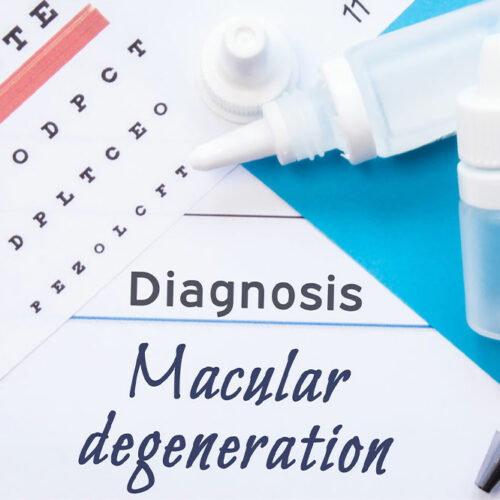
Key facts about age-related macular degeneration

Key facts about age-related macular degeneration
Age-related macular degeneration (AMD) is an eye condition that affects one’s central vision. The condition mainly affects the macula—a part of the retina at the back that regulates central vision. The condition is common among people over 50. People with macular degeneration are unable to perceive objects or people right in front of them, however, they don’t experience a complete loss of vision and can have good peripheral vision. Here are key facts about AMD: Types Dry (atrophic) : About 90% of macular degeneration patients are affected by the dry (atrophic) form of the condition. Dry AMD develops when drusen, tiny yellow protein deposits, accumulate under the macula. The deposits make the macula thin and dry. Here, one can experience gradual vision loss, however, most people do not lose their core vision completely. In rare cases, the dry type can give way to the wet form of age-related macular degeneration. Wet (exudative) : The development of abnormal blood vessels under the retina and macula leads to wet AMD. The vessels can leak blood and liquids, which is a condition called choroidal neovascularization. As a result of the buildup, the macula develops a bulge, leading to dark spots in the center of one’s vision.

6 effective tips that relieve nasal congestion

6 effective tips that relieve nasal congestion
Ask anyone about a health issue that annoys them – nasal congestion will find a place in the top five. The runny nose, the sneezing, the swelling of blood vessels, the exhaustion, the headache, and sometimes accompanied by fever – together, they can frustrate you to your limits. Nasal congestion should go away on its own with rest and hydration without needing doctor’s intervention unless the symptoms are severe. Read on to learn more: Nasal congestion and its impact The mucous membrane, also called the nasal mucosa, is a tissue that lines our nasal cavity. It can get irritated by sinusitis, respiratory tract infections, or allergies. Nasal congestion is caused when the irritation leads to inflammation causing domino-like reactions, including swelling, excess mucus production, and blocked nasal passages. The typical symptoms of nasal congestion include: Runny nose Sneezing Coughing Breathing through the mouth Sore throat Watery eyes Headache Inability to smell or taste well Snoring Tooth pain Nosebleeds It is almost certain that you may have more than one of the above symptoms. The symptoms may improve in a few days. The congestion may go away when the worst gets over without any treatment. It is better to stay indoors, rest, and drink lots of fluids like warm broths and herbal teas.

Our
Blog.

11 useful tips for anxiety management

11 useful tips for anxiety management

Nearly 84% of participants in a particular mental health survey were said to have some form of anxiety. The severity of symptoms did vary from person to person, but the fact remains that we live in a world where almost everything is a potential trigger for anxiety. And living in denial about having a psychological trigger only worsens the problem. Luckily, it is possible to manage anxiety by following the suggestions recommended by experts. Identify the triggers Anxiety is mainly triggered due to an event or episode where one finds themselves in a difficult position. It could be something that puts a person out of their comfort zone. Doctors advise people to identify these triggers and avoid them. Any comment, action, or situation that did not work out in favor triggers anxiety. So, make a list of such events and instances and ignore them the next time something happens related to that event. At the same time, try to remain positive as it can help strengthen the mind to manage anxiety better. Keep busy Distraction is one of the simplest ways to prevent a panic or anxiety attack. You can perform simple chores or indulge in a favorite task to stay physically and mentally occupied for a few hours.
Read More
Atrial fibrillation – Causes, symptoms, and management tips

Atrial fibrillation – Causes, symptoms, and management tips

The human heart is susceptible to several health complications, including atrial fibrillation (AFib). The condition is the most common type of treated heart arrhythmia, which is a term describing when the heart beats unusually slowly, fast, or irregularly. AFib is estimated to affect between 2.7 million to 6.1 million individuals in the country. An individual with the complication experiences irregular beating in the heart’s upper chambers, affecting blood flow, leading to health complications. Causes Irregularities in the structure of the heart are the most common cause of atrial fibrillation. Sometimes people may develop the condition without any known heart damage or problems. Risk factors like age may also contribute to the development of atrial fibrillation. Other potential causes of the phenomenon include a heart attack, sick sinus syndrome – issues with the heart’s natural pacemaker, coronary artery disease, congenital heart defect – A heart defect that an individual might be born with, high blood pressure, lung diseases, heart valve problems, use of stimulants, including certain prescriptions and caffeine, physical stress caused due to pneumonia, other illnesses, and also surgery, sleep apnea, overactive thyroid (hyperthyroidism), metabolic imbalances, viral infections, and complications due to earlier heart surgery. Symptoms A person who develops atrial fibrillation may not notice symptoms, and the condition is detected only after a physical examination.
Read More