9 foods that may help manage EoE and acid reflux
9 foods that may help manage EoE and acid reflux
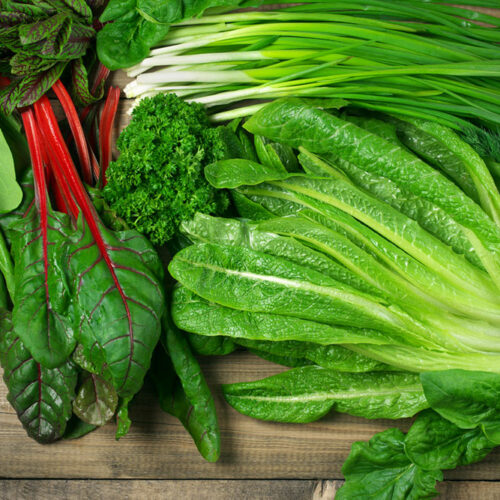
Eosinophilic esophagitis (EoE) is a condition in which an individual’s esophagus experiences inflammation due to the growth of eosinophils. EoE shares similarities with acid reflux, sometimes known as heartburn or GERD. In both conditions, one may experience pain and a blockage in the esophagus. Certain foods contain vital nutrients and other elements that enable people to manage their EoE and acid reflux conditions efficiently if they have one or both of them: Leafy vegetables Green leafy vegetables are excellent foods to prevent symptoms and flare-ups of EoE and acid reflux. Vegetables like Spinach, kale, broccoli, and others have low levels of acidic content. This quality helps maintain the body’s pH levels and prevents inflammation in individuals. Spinach, in particular, is high in fiber, making it easily digestible for individuals with acid reflux, GERD, or EoE. Overall, the low acidic levels and anti-inflammatory properties of green leafy vegetables make them a must-have for those with these health disorders. Quinoa Whole grains such as quinoa are low-acid foods the body needs to fight symptoms of acid reflux and heartburn. Like Spinach, quinoa also contains loads of fiber. It means one can digest quinoa at a much faster rate compared to some other foods.

Foods to Avoid and Eat With Psoriatic Arthritis

Foods to Avoid and Eat With Psoriatic Arthritis
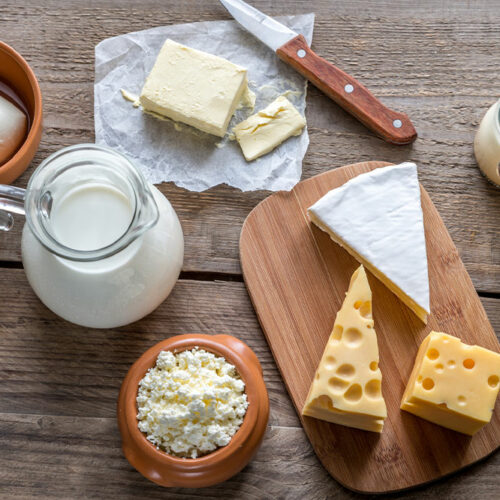
Psoriatic arthritis is an inflammatory disorder that causes morning joint pain, swelling, and stiffness. This discomfort is associated with psoriasis or a family history of the condition. Both psoriatic arthritis and psoriasis are autoimmune conditions that affect the immune system. Adding nutritious food to one’s meal plans and following a prescribed treatment regimen may help in managing the condition. Here are some foods to avoid and eat along with certain treatments for managing psoriatic arthritis. Foods to avoid The following foods can trigger psoriatic arthritis due to the components found in them and must be avoided. Red meat Red meat, such as beef, pork, lamb, and veal, is high in saturated fatty acids. These fats are linked to various inflammatory conditions, including type-2 diabetes and cardiovascular problems. Red meat also contains heme, which binds oxygen in the blood and gives it its red color. Heme has been linked to gut irritation and systemic inflammation. Dairy products Milk, yogurt, and cheese are low-fat dairy products that can be healthy when consumed in moderation. However, patients who are lactose intolerant may experience discomfort and worsened symptoms. Saturated fats are abundant in high-fat dairy products like whole milk, full-fat cheese, and ice cream.

What is an IUD and how to manage its side effects

What is an IUD and how to manage its side effects
Having a T-shaped stick inserted into the uterus may sound difficult at best, terrifying at worst. However, do you know this is a preferred birth control method? IUD is a birth control device inserted into the uterus, positioned just above the cervix. IUDs can be hormonal or non-hormonal. Despite the high rate of effectiveness, both types have prominent side effects. Thus, here are some tips for managing the side effects of IUDs proactively. What is an IUD? An IUD, or Intrauterine Device, is a tiny, plastic, T-shaped contraceptive device inserted into the uterus. Once it’s positioned in place, it will work to intercept the pregnancy by preventing the entry of sperm and thus avoiding egg fertilization (non-hormonal) and thickening the cervical mucus, and modifying the environment of the fallopian tubes and uterus (hormonal). The device may also cease ovulation altogether based on the type of IUD you choose. Typically, IUDs, once inserted, remain effective between 3 and 12 years. What to expect from an IUD insertion? An IUD insertion will be performed at the doctor’s office. The healthcare professional might suggest a prescription plan to dilate the cervix or administer the local anesthetic to numb the area beforehand. During the process, the doctor will use an instrument known as a speculum and place it in the vagina.

Hair loss – Types, causes, and foods that promote healthy growth

Hair loss – Types, causes, and foods that promote healthy growth
Having a head full of beautiful hair is something many of us desire. Unfortunately, not everyone is blessed with perfect hair due to various reasons. Hair loss is a common problem that occurs as a part of the hair growth cycle, and it can happen gradually or quickly. In severe cases, it can even lead to baldness, which may require treatment. Hair loss can affect anyone, regardless of age, from children to adults. Types of hair loss There are different types of hair loss that an individual may go through in their lifetime. Some of the most common hair loss types are as follows: Androgenic alopecia It is a type of hair loss that affects people assigned male at birth. It causes a person to lose hair covering the scalp, and they don’t grow back. Alopecia areata It is an autoimmune condition wherein one’s immune system attacks the body, the hair follicles in this case, and leads to several bald patches on the head. One may also experience hair loss in other parts of the body. Telogen effluvium In this type of hair loss, people may experience rapid hair loss within a short time. It occurs a few months after the body goes through something physically or emotionally stressful, like childbirth, surgery, losing a loved one, etc.

Novavax vaccine – Development, safety, and usage for 12-17 age group

Novavax vaccine – Development, safety, and usage for 12-17 age group
The Novavax COVID-19 vaccine, known as NVX-CoV2373, has gained prominence for its usefulness and safety. Originally authorized for adults aged 18 and over, it recently received FDA approval for emergency use in adolescents between 12 and 17. This vaccine defends against COVID-19 with an innovative protein-based technology. An expansion of usage means a broader age group can benefit from the protection, bolstering efforts to curb the pandemic’s spread and keep younger populations safe. Additional approval from FDA The FDA granted the Novavax COVID-19 emergency use authorization for adolescents aged 12 to 17, endorsing it as a two-dose primary series. Additionally, the CDC director issued a decision memo permitting the use of the Novavax COVID vaccine as a primary series choice for this adolescent group. The availability of a vaccine option designed using conventional protein-based technology is seen as a benefit. Experts believe the vaccination rates may rise, especially since children are back to school and socializing. In related news, Novavax also worked on actively developing an updated version of its vaccine, tailored to target a specific variant of the virus and its offshoots. The company was looking forward to seeking authorization for this variant-targeting vaccine last year. Development and safety of the vaccine The development and safety of the Novavax COVID-19 vaccine for adolescents aged 12 to 17 have been carefully scrutinized and confirmed through comprehensive clinical trials.

7 kitchen ingredients to effectively fight fleas on dogs

7 kitchen ingredients to effectively fight fleas on dogs
Fleas are tiny, blood-sucking parasites that can have a significant impact on dogs’ well-being when they get transmitted to them. These insects can cause constant discomfort and even health problems in dogs, which can worsen if left untreated. While several treatments are available to fight fleas on dogs, some common kitchen ingredients can also effectively combat them. Here are some ways fleas infest pets and effective kitchen ingredients that can help with the problem. How do fleas infest dogs? Dogs can become flea-infested in a variety of ways. Here are some of them given below: Contact with infested animals Close proximity with other infested dogs, cats, or wildlife can allow fleas to jump from one host to another. Apart from that, visitors to the home may also lead to a flea infestation since the insects can hitch a ride on clothing or personal belongings of humans. Infested environments Fleas can be present in environments where infested animals have been. This can be indoors, like bedding, carpets, or furniture at poorly kept dog care centers, or outdoors, such as yards, parks, public spaces, or other travel places. So, dogs can pick up fleas from the ground, grass, or other surfaces. Kitchen remedies to fight fleas on dogs There are several kitchen ingredients that can help one fight fleas on one’s dog.

Our
Blog.

Managing kidney health – Best and worst foods

Managing kidney health – Best and worst foods

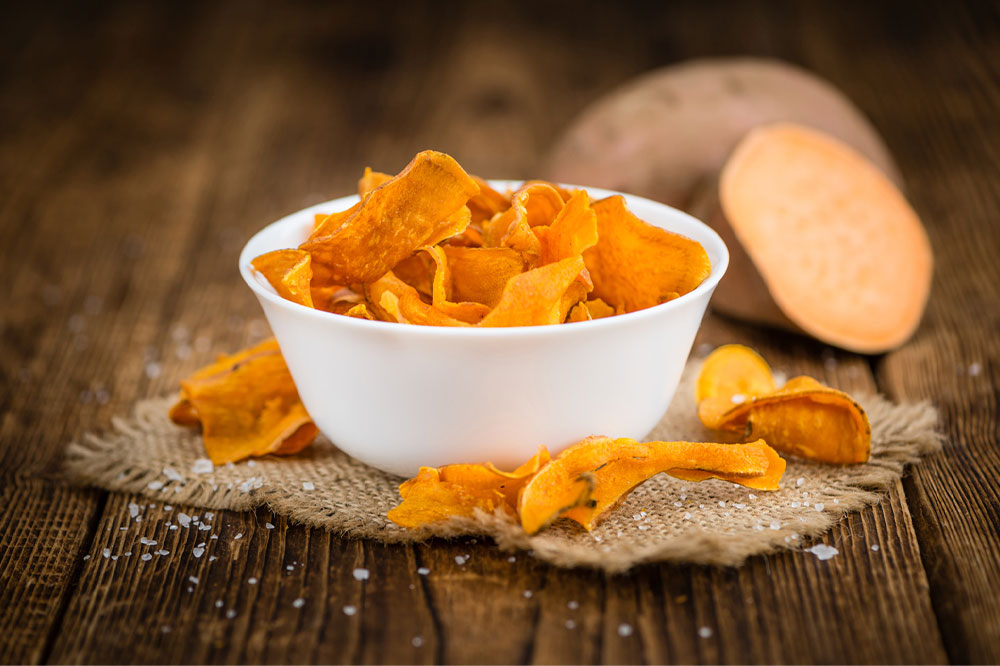
The kidneys are bean-shaped organs that are responsible for important bodily functions, like producing hormones, removing waste through urine, filtering blood, balancing minerals, and maintaining fluid balance. But, according to the American Kidney Fund, more than 1 in 7 adults in the country are affected by chronic kidney diseases. So, it is important to maintain kidney health by making better lifestyle choices and opting for foods that support kidney health. Food and kidney health The kidneys have multiple tiny blood vessels that help filter and eliminate excess water and waste from the body. If one is affected by chronic kidney diseases, the kidneys cannot filter blood, leading to the accumulation of waste in the body. Hypertension and diabetes are some of the leading causes of kidney disease. So, a healthy food plan can help prevent and manage these conditions by removing excess sodium, phosphorus, or potassium. Additionally, some foods should be limited or avoided to prevent further kidney damage. Best foods for kidney health Sweet potatoes: Sweet potatoes are similar to white potatoes but have excess fiber, which the body can take longer to break down, resulting in less of a spike in insulin levels in the body. Additionally, sweet potatoes contain various nutrients and minerals that may help balance the sodium and reduce its effect on the kidneys.
Read More
11 useful tips for anxiety management

11 useful tips for anxiety management

Nearly 84% of participants in a particular mental health survey were said to have some form of anxiety. The severity of symptoms did vary from person to person, but the fact remains that we live in a world where almost everything is a potential trigger for anxiety. And living in denial about having a psychological trigger only worsens the problem. Luckily, it is possible to manage anxiety by following the suggestions recommended by experts. Identify the triggers Anxiety is mainly triggered due to an event or episode where one finds themselves in a difficult position. It could be something that puts a person out of their comfort zone. Doctors advise people to identify these triggers and avoid them. Any comment, action, or situation that did not work out in favor triggers anxiety. So, make a list of such events and instances and ignore them the next time something happens related to that event. At the same time, try to remain positive as it can help strengthen the mind to manage anxiety better. Keep busy Distraction is one of the simplest ways to prevent a panic or anxiety attack. You can perform simple chores or indulge in a favorite task to stay physically and mentally occupied for a few hours.
Read More