Dental implants – Its types and cost

Dental implants – Its types and cost
Dental implants are equipment for prosthetic care. Dental implants are a standard procedure that dentists suggest to replace damaged or missing teeth with metal screw-like posts and artificial teeth. It is scary enough to visit a doctor armed with a whirring drill without worrying about choosing the correct procedure for you and managing the costs. However, dental implants are a whole other nightmare. But there is more to dental implants than just this. What are dental implants? Since their invention in 1952, dental implants have replaced bad teeth and fixed smiles. This surgical procedure involves fusing the implant with the jawbone to mimic natural teeth. These implants have several advantages – they are stable, reduce sensitivity in the teeth, and are more durable and convenient than dentures, especially if only one or two teeth are missing in one’s mouth. In addition, dental implantation allows maintenance of the aesthetics of one’s teeth while also not compromising functionality. What are the alternatives? When teeth are missing, dentists recommend three options: dentures, dental bridges, and implants. Dentures are the most affordable option but are generally inconvenient to use and come with side effects like loss of taste and sensory experience with food. And these can be complete or partial.
Multiple Myeloma – Symptoms, and Management Tips

Multiple Myeloma – Symptoms, and Management Tips
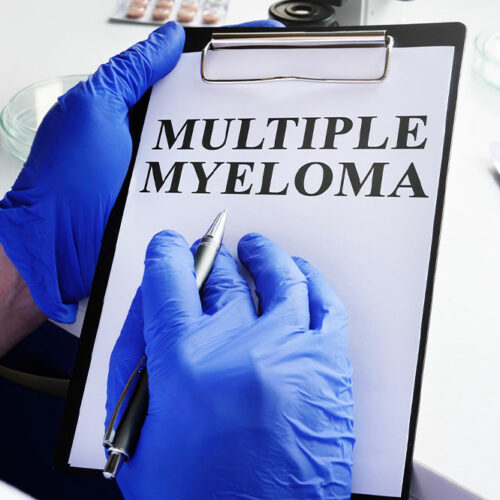
Multiple myeloma is a rare type of blood cancer that affects 1 out of 132 individuals. It is known to be more common in men than women, and the symptoms may be visible at a later stage, leading to late diagnosis and complex treatment. This cancer forms in a white blood cell called the plasma cell responsible for fighting off infections. Here are some details on the disease and ways to manage it with some food options. Symptoms – Common and uncommon The signs and symptoms of this disease do not show up in the early stage, or even when they do, they come as other health complications which take the focus off the cancer illness. Some signs and symptoms of this disease include: Anemia: A disease in which the production of blood cells in the bone marrow is affected, leading to a less than an efficient number of red blood cells. Bone pain: A dull bone pain is usually experienced in the ribs, back, or hips. It usually worsens with movement and remains persistent. This can also weaken the bones leading to fractures. The spine and the bones in the arms and legs are more likely to be affected by this condition.

Thyroid Cancer – Silent Signs, Diagnosis, and Management

Thyroid Cancer – Silent Signs, Diagnosis, and Management
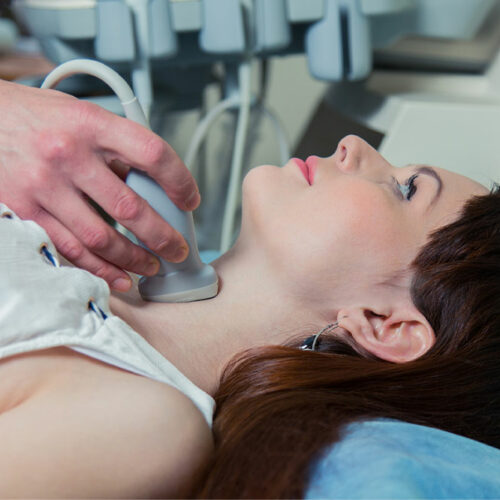
Thyroid cancer is the result of the abnormal growth of cells in the thyroid gland – a butterfly-shaped gland located at the base of the neck. This gland produces hormones that help in the regulation of blood pressure, heart rate, and body temperature. Although thyroid cancer does not show any symptoms in the beginning, as the condition worsens, one may experience difficulty swallowing. Keep reading to learn more about the other silent signs of thyroid cancer. Silent signs of thyroid cancer In most cases, during the early onset of the condition, patients may not experience any symptoms. However, it can be discovered during a routine neck examination or an imaging scan aimed at another health problem. Furthermore, one cannot feel the thyroid gland by touch, but cancerous growth may cause a lump in the area. The other silent signs to look for are: Neck pain One of the rare signs of the condition is neck pain. In most cases, the pain may start in the front of the neck. However, some patients have also experienced neck pain extending to the ears. Hence, it’s suggested to look out for this particular symptom and if noticed, seek professional advice at the earliest.

5 baby products parents should never buy

5 baby products parents should never buy
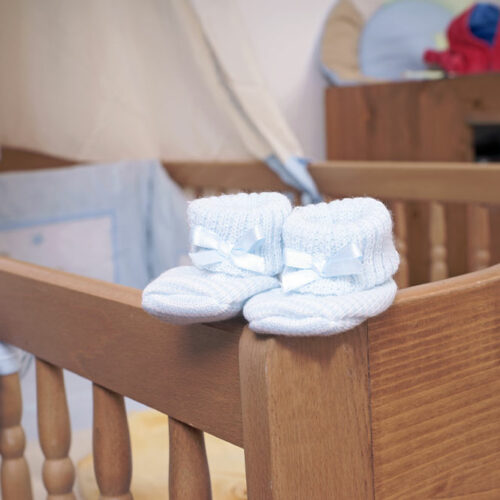
As a parent, you want to be extra careful about everything you buy for your child. However, it can be difficult to keep track of all the items on your shopping list. While there are plenty of products available for your baby’s comfort, safety, and entertainment, it’s important to remember that even seemingly harmless items can pose a danger. This article highlights 5 products parents should avoid to keep their babies safe. 5 baby products that parents should avoid for their kids Some products designed for kids could be faulty and fall short of safety requirements set by the government. Therefore, parents must practice extra caution when buying products for their babies. Here is our list of 5 baby products that represent a serious hazard to the newborn’s safety. Tents and sleep positioners Cot tents are meant to prevent children from climbing out of cribs. However, they can also be dangerous and unstable. The baby’s constant pulling and prodding can result in the tearing of the mesh, which compromises the stability of the cot tent. Contrarily, sleep positioners raise the risk of suffocation and other dangers, which could be dangerous for young children. According to the pediatrician, sleep positioners have been linked to several deaths that have been documented in the last few years.

Top 10 bad bathroom habits to avoid

Top 10 bad bathroom habits to avoid
You go to the washroom several times a day, be it for just relieving yourself or taking a shower. It’s a habit that subconsciously forms so often that you neglect to pay attention to what you do inside while using the facilities. Even something as simple as not properly washing your hands increases the risk of health complications. And this is just one example of the many bad bathroom habits that affect overall health. Here are ten such instances to change for good. Skipping washing your hands Washing your hands is one of the most basic etiquette rules after going to the bathroom. Know that the door handles and toilet surfaces get covered with invisible bacteria and germs with repeated use of the facilities. Touching anything inside the washroom transfers millions of these bacteria onto the hands. And not properly washing your hands causes these microbes to transfer onto other surfaces, thus spreading the infection. Therefore, it is necessary to use liquid soap to cleanse thoroughly before exiting. Using dirty linen It is also important to practice good linen hygiene. Hand towels, face napkins, and even bath towels should be washed and replaced regularly, as these daily-use linens collect debris from the skin.

8 Warning Signs of Dementia That Should Not Be Ignored

8 Warning Signs of Dementia That Should Not Be Ignored
Dementia is a mental health condition characterized by a persistent decline in intellectual functioning as a person ages. It leads to difficulty remembering things, abstract thinking, poor logical reasoning, confusion, and trouble starting and carrying forward conversations. The ailment also changes people drastically in terms of personality. For instance, the individual may get upset, worried, or angry more quickly. Here are the common warning signs of dementia that one should not ignore. Inability to recall actions and experiences Dementia impacts the brain’s memory center right from the onset. As a result, people with the condition tend to forget past conversations or experiences as if they never happened. It is one reason they often ask the same question multiple times despite repeatedly receiving an answer. Some patients repeat the same story to the same person in the same way over and over again. Speaking of memory, people with dementia struggle with remembering the minute details of an event or place they had visited recently. For example, they may forget they have been to a foreign country for a holiday a few days after returning. That said, they may recall specific events from their earlier life pretty clearly. Forgetting familiar names and faces Actions and experiences are not the only things individuals with dementia forget.

Our
Blog.

Managing kidney health – Best and worst foods

Managing kidney health – Best and worst foods

The kidneys are bean-shaped organs that are responsible for important bodily functions, like producing hormones, removing waste through urine, filtering blood, balancing minerals, and maintaining fluid balance. But, according to the American Kidney Fund, more than 1 in 7 adults in the country are affected by chronic kidney diseases. So, it is important to maintain kidney health by making better lifestyle choices and opting for foods that support kidney health. Food and kidney health The kidneys have multiple tiny blood vessels that help filter and eliminate excess water and waste from the body. If one is affected by chronic kidney diseases, the kidneys cannot filter blood, leading to the accumulation of waste in the body. Hypertension and diabetes are some of the leading causes of kidney disease. So, a healthy food plan can help prevent and manage these conditions by removing excess sodium, phosphorus, or potassium. Additionally, some foods should be limited or avoided to prevent further kidney damage. Best foods for kidney health Sweet potatoes: Sweet potatoes are similar to white potatoes but have excess fiber, which the body can take longer to break down, resulting in less of a spike in insulin levels in the body. Additionally, sweet potatoes contain various nutrients and minerals that may help balance the sodium and reduce its effect on the kidneys.
Read More
11 useful tips for anxiety management

11 useful tips for anxiety management

Nearly 84% of participants in a particular mental health survey were said to have some form of anxiety. The severity of symptoms did vary from person to person, but the fact remains that we live in a world where almost everything is a potential trigger for anxiety. And living in denial about having a psychological trigger only worsens the problem. Luckily, it is possible to manage anxiety by following the suggestions recommended by experts. Identify the triggers Anxiety is mainly triggered due to an event or episode where one finds themselves in a difficult position. It could be something that puts a person out of their comfort zone. Doctors advise people to identify these triggers and avoid them. Any comment, action, or situation that did not work out in favor triggers anxiety. So, make a list of such events and instances and ignore them the next time something happens related to that event. At the same time, try to remain positive as it can help strengthen the mind to manage anxiety better. Keep busy Distraction is one of the simplest ways to prevent a panic or anxiety attack. You can perform simple chores or indulge in a favorite task to stay physically and mentally occupied for a few hours.
Read More