Signs, diagnosis, and prevention of nasal polyps

Signs, diagnosis, and prevention of nasal polyps
If you have been facing difficulty while breathing or feel that your sense of smell or taste has decreased, chances are that you may have nasal polyps. Though it is a common health condition, knowing more about it is necessary, not just because it causes discomfort; one-sided nasal polyps growth may indicate a cancerous tumor. Read further to learn more about nasal polyps, symptoms, causes, diagnosis, and lines of treatment. Nasal polyps They are soft, benign, and painless growths on the lining of sinuses or nasal passages. They are sac-like in appearance and vary in size and shape. Sinuses are located inside the facial bones and are air-filled spaces. They are connected to your nasal cavity and help you breathe. Nasal polyps, especially when they grow in size, act as obstructions, cause trouble breathing, and usually affect both sides of your nasal passages. According to the research, 4% of people worldwide suffer from this condition . Causes Although the exact cause of nasal polyps is unknown until now, it is attributed to long-term or recurrent inflammation of the mucus membranes of the sinuses or the nasal passages. It is often caused due to conditions such as asthma, long-term sinus infections, cystic fibrosis, sensitivity to aspirin, allergic fungal sinusitis (caused due to fungi in the air), vitamin D deficiency, abnormal inflammation of the blood vessels caused due to Churg-Strauss Syndrome, or a family history of nasal polyps.


Tips to prepare for a dental implant

Tips to prepare for a dental implant
A visit to the dentist can be quite scary. In fact, just the word dentist conjures images of whirring drills and sharp scalpels too close for comfort. That said, dental procedures are vital for the mouth and overall health; ignoring them will lead to discomfort and complications. Dental implants are one treatment people avoid because of ignorance about the procedure and the required preparation. Thus, here are tips to prepare for a dental implant. What are dental implants? Two questions you will certainly ask are – what are implants, and why do you need them? Dental implants are artificial teeth that are typically inserted when you have missing teeth. They are inserted into the jawbone; thus, bone health is an essential consideration for this procedure. Dentists ensure the implant is custom-made to fit your mouth, and care is taken so it does not stand out among your natural teeth. Dental implants are ideal when you have not lost enough teeth to warrant dentures since they are natural and lower both the risk of cavities and the sensitivity of neighboring teeth. However, as mentioned before, bone health is an important factor that decides if you are eligible for the procedure. Tips to prepare for dental implants Have a comprehensive dental exam done The first step in all dental procedures is to get a comprehensive examination from a qualified dentist.

11 Most Common Digestive Disorders

11 Most Common Digestive Disorders
Most people, at one point or another, suffer from digestive disorders. It could be something as common as constipation and diarrhea, which cause just a minor inconvenience. Or, it could be a complex digestive or gastrointestinal issue that affects one’s quality of life. Sometimes, problems like constipation and bloating appear as signs of another underlying health condition. Regardless, it is crucial to be aware of the common digestive conditions and their symptoms. Food intolerance This is one of the most common digestive disorders today. Food intolerance is a health condition where the digestive system does not react well to certain foods. A few common symptoms one may experience during an episode of food tolerance include bloating, cramps, gas, diarrhea, heartburn, headache, vomiting, and irritability. Food intolerance should not be confused with food allergies, which can also cause hives and respiratory issues. Constipation Chronic constipation indicates the body’s inability to get rid of waste matter. It occurs when the colon cannot move the bowels through the digestive tract. Around 63 million people in our country alone deal with this problem on a daily basis. Some causes of constipation include low physical activity, dehydration, low fiber intake, and specific treatments. When suffering from constipation, a person may experience decreased bowel movements, slow transit and passing of stools, and hard stools.

Do Not Ignore These 7 Headache Symptoms

Do Not Ignore These 7 Headache Symptoms
Headaches can be difficult to categorize because their symptoms and level of pain can differ from one person to the next. An individual may experience painful symptoms of migraines (a type of headache), while others may find their condition moderate. Sometimes people may develop constant headaches even if they have never experienced the sensation before. In this situation, individuals should visit a healthcare expert to check if the signs are indicators of other complications. Headache with sudden fever While the symptoms of headaches, including migraines, are treatable with prescriptions or adequate rest, one may require a professional diagnosis if one runs a fever simultaneously. A few with a headache usually indicates that the patient has a sinus infection. It could also mean that the individual is at risk of a more severe condition like meningitis (stiffness of the neck) or encephalitis (an infection of the brain), which may cause confusion and difficulty with speech. These conditions can turn severe if left untreated. Moreover, older individuals have weaker immune systems and are at a greater risk of developing these infections. A “thunderclap” onset A “thunderclap” onset refers to a headache that develops suddenly. Individuals susceptible to this phenomenon usually describe it as one of the worst pains they have experienced.

Foods to Eat and Avoid to Prevent Heartburn

Foods to Eat and Avoid to Prevent Heartburn
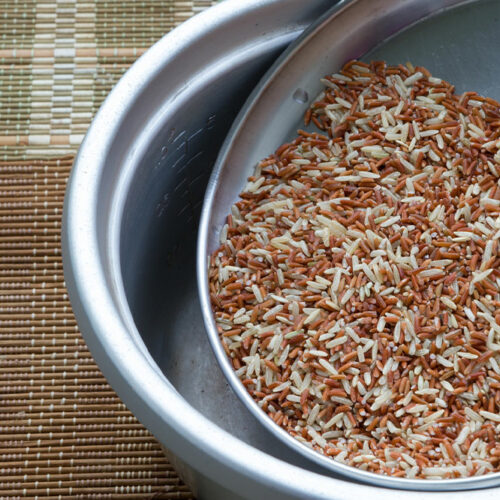
Heartburn is a common symptom triggered by acid reflux, a condition where some of the contents in the stomach move back up into the esophagus. The phenomenon leads to a burning-like sensation that feels like it’s in the heart but isn’t. Furthermore, the food one eats can affect the amount of acid the stomach produces. Therefore, here are the foods one must eat and avoid when managing heartburn and other symptoms of acid reflux. Foods to ease heartburn When looking at healthy foods to curb symptoms like heartburn, one should look for options that are low on the pH scale. Here are five options that may help keep the symptoms of acid reflux in check. Brown rice Brown rice is a healthy whole grain, irrespective of whether a person is affected by symptoms of acid reflux or not. The food is rich in healthy fibers known to regulate the digestive tract. Brown rice is also rich in B vitamins known to enhance energy levels in the body. Other grains with similar healthy properties include popcorn, quinoa, and whole-grain bread. These foods also contain benefits like potassium, selenium, magnesium, iron, and folates necessary for one’s overall well-being. Almonds Eating a handful of almonds daily can significantly help one keep symptoms of acid reflux in check.

Top 15 Foods for Pulmonary Fibrosis Management

Top 15 Foods for Pulmonary Fibrosis Management
Pulmonary fibrosis is a lung condition that causes scarring and damage to the lung tissue. This makes it difficult for the lungs to function properly and can cause shortness of breath. Other common symptoms of pulmonary fibrosis include a dry cough that does not go away, fatigue, and unexplainable weight loss. The average survival time once diagnosed with pulmonary fibrosis is three to five years, making diagnosing PF very scary. However, eating certain lung-healthy foods can help improve their quality of life. Here are some foods that can help one manage pulmonary fibrosis better: Coffee Coffee contains caffeine and polyphenols, which are anti-inflammatory. Not only does it provide one with a daily energy boost, but it also acts as a vasodilator. Vasodilators open up the blood vessels, which helps reduce the symptoms of chronic lung disease for a short while. According to the FDA, the recommended caffeine intake for healthy adults is 400 mg per day, which equals about four or five cups of coffee. Whole grains Whole grains, like brown rice, whole wheat, oats, quinoa, and barley are a rich source of fiber, vitamin E, selenium, and essential fatty acids crucial for lung health. According to certain research, people who eat more fiber have better lung function than those who don’t.

Our
Blog.

Managing kidney health – Best and worst foods

Managing kidney health – Best and worst foods

The kidneys are bean-shaped organs that are responsible for important bodily functions, like producing hormones, removing waste through urine, filtering blood, balancing minerals, and maintaining fluid balance. But, according to the American Kidney Fund, more than 1 in 7 adults in the country are affected by chronic kidney diseases. So, it is important to maintain kidney health by making better lifestyle choices and opting for foods that support kidney health. Food and kidney health The kidneys have multiple tiny blood vessels that help filter and eliminate excess water and waste from the body. If one is affected by chronic kidney diseases, the kidneys cannot filter blood, leading to the accumulation of waste in the body. Hypertension and diabetes are some of the leading causes of kidney disease. So, a healthy food plan can help prevent and manage these conditions by removing excess sodium, phosphorus, or potassium. Additionally, some foods should be limited or avoided to prevent further kidney damage. Best foods for kidney health Sweet potatoes: Sweet potatoes are similar to white potatoes but have excess fiber, which the body can take longer to break down, resulting in less of a spike in insulin levels in the body. Additionally, sweet potatoes contain various nutrients and minerals that may help balance the sodium and reduce its effect on the kidneys.
Read More
11 useful tips for anxiety management

11 useful tips for anxiety management

Nearly 84% of participants in a particular mental health survey were said to have some form of anxiety. The severity of symptoms did vary from person to person, but the fact remains that we live in a world where almost everything is a potential trigger for anxiety. And living in denial about having a psychological trigger only worsens the problem. Luckily, it is possible to manage anxiety by following the suggestions recommended by experts. Identify the triggers Anxiety is mainly triggered due to an event or episode where one finds themselves in a difficult position. It could be something that puts a person out of their comfort zone. Doctors advise people to identify these triggers and avoid them. Any comment, action, or situation that did not work out in favor triggers anxiety. So, make a list of such events and instances and ignore them the next time something happens related to that event. At the same time, try to remain positive as it can help strengthen the mind to manage anxiety better. Keep busy Distraction is one of the simplest ways to prevent a panic or anxiety attack. You can perform simple chores or indulge in a favorite task to stay physically and mentally occupied for a few hours.
Read More