Health Conditions That Can Trigger Osteoporosis

Health Conditions That Can Trigger Osteoporosis
Osteoporosis is a health condition involving extreme bone brittleness to the extent that the mildest triggers – such as bending, coughing, or a minor fall – can lead to a fracture. Such fractures typically occur in the hip, spine, and wrist. Although several genetic and environmental factors may contribute to the disease’s onset, individuals with certain health conditions are more at risk. This article lists these health conditions and elaborates on preventive measures. Inflammatory bowel disease Studies have indicated that patients with IBD, like Crohn’s disease and ulcerative colitis, are at a higher risk of developing vertebral fractures than others. Specifically, 18%-42% of patients with IBD are likely to develop osteoporosis. This risk is primarily because patients with IBD experience a reduction in bone mineral density (BMD), making them more susceptible to osteopenia and osteoporosis. Celiac disease Celiac disease is an autoimmune condition involving the body’s adverse reaction to gluten, a protein found in wheat, rye, and barley. The small intestine facilitates the absorption of nutrients like calcium, which is essential for strong bones. Celiac disease involves inflammation of the small intestine, hampering the absorption of these nutrients. Consequently, individuals with celiac disease are unable to absorb calcium optimally and, hence, are at risk of osteoporosis.

12 worst foods for teeth health

12 worst foods for teeth health
A healthy smile plays a big part in one’s appearance. However, many common foods can be detrimental to teeth health, leading to the formation of plaque and cavities. Plaque is a thin, sticky, and invisible layer of bacteria and other substances that contribute to oral health problems such as gum disease and tooth decay. Over time, plaque formation can break down the enamel, and give rise to several dental problems. To prevent these issues, it is important to take proper care of one’s teeth and avoid these 12 foods that can harm teeth health: Candies Candies such as lollipops, mints, and others contain high levels of sugar. Chewing or biting on such hard candies can also cause chips or cracks in one’s teeth, increasing the risk of decay. Further, sour candies contain not only more sugar but also acids. These can be extremely tough on one’s teeth, and lead to enamel erosion. Due to their sticky nature, the candies stay on the teeth for a long time, increasing the risk of tooth decay. It may be safer to switch to chocolate instead of sour candy and rinse the mouth immediately after. Bread When chewed, the starches in bread are broken down into sugars by the saliva.

20 Nutritious Foods for Better Lung Health

20 Nutritious Foods for Better Lung Health
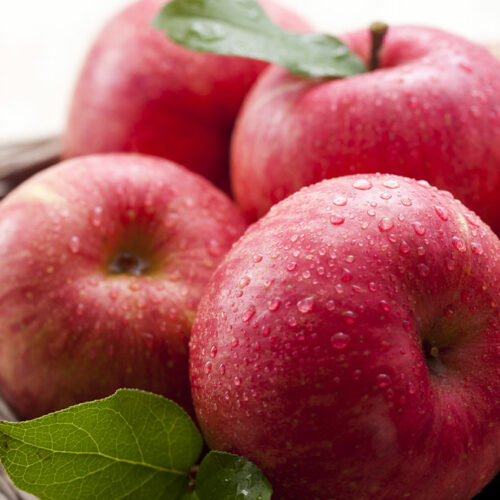
Good lung health is crucial for overall well-being. Environmental toxins, poor lifestyle habits, and inflammatory foods can damage the lungs and lead to chronic obstructive pulmonary disease (COPD), asthma, pulmonary fibrosis, and other conditions that can significantly impact one’s quality of life. Adding nutritious foods to the meals can help mitigate some of this damage and reduce the symptoms and severity of lung disease. Try these 20 foods to boost lung function and improve breathing. Apples Research suggests that those who eat at least five apples a week are less likely to develop COPD. Apples contain an antioxidant called quercetin, which slows lung function decline. The fruit also helps lower the risk of asthma and lung cancer owing to its flavonoids and vitamin C content. Beetroots Beetroots and beet greens are rich sources of nitrates, which can help optimize lung function, relax blood vessels, and reduce blood pressure. Beets are also packed with beneficial nutrients, such as magnesium, potassium, vitamin C, and carotenoid antioxidants. Beetroot (in its natural form or as a supplement) is known to improve physical performance and lung function in those with COPD and pulmonary hypertension. Peppers Peppers are rich in vitamin C, a vitamin that has been shown to improve lung function.

9 Essential Nutrients to Maintain Eye Health

9 Essential Nutrients to Maintain Eye Health
Most of the time, people choose food based on their taste and the health of common vital organs like the heart and brain. In the race of which organ comes first, eyes are often left ignored. However, it is equally important to consider the nutritional needs of the eyes for proper functioning. The eyes are a sensory organ, and if the cells are damaged, they cannot be repaired. Hence, taking care of this organ from the get-go is crucial instead of waiting till the last minute. Vitamin A By this time, everyone knows that vitamin A is crucial for optimal vision. Inclusion of vitamin A-rich foods results in the protection of the surface of the eyes. It has an important role to play in the prevention of dry eye syndrome and cataracts. Age-related macular degeneration, a condition in which patients suffer a gradual loss of central vision, can also be prevented with the right amount of vitamin A intake. Foods like liver, eggs, milk, and spinach are reliable sources of vitamin A. Vitamin C Vitamin C is one of the essential antioxidants the body requires to maintain overall health. It helps develop and maintain the connective tissue, thereby helping with a healthy cornea and retina.

10 Foods to Avoid For Better Eye Health

10 Foods to Avoid For Better Eye Health
Maintaining good vision and overall well-being requires actively protecting the eyesight. While incorporating nutrient-rich foods into daily meals promotes eye health, it’s equally important to actively avoid certain foods that can have a negative impact. By understanding which foods to steer clear of, one can actively make informed choices to safeguard one’s precious eyesight. So, let’s learn more about nutrition and how to keep the eyes healthy by avoiding certain foods. Candies Candies are difficult to pass up. Who wouldn’t want to satiate their sweet tooth with a snack that can easily fit into the pocket and provide immense satisfaction immediately? However, this sugar rush could cost one eye health. Excessive intake of sugary foods and beverages has a negative impact on the eyes, teeth, skin, hair, digestion, kidneys, liver, and other vital organs. High sugar intake is linked to a higher risk of developing age-related macular degeneration (AMD) and diabetic retinopathy. It is best to avoid sugary treats like candies, cookies, sodas, and sweetened juices to protect one’s vision and overall well-being. French fries Consuming fried and processed foods on a regular basis can lead to a decline in overall health, including eye health. Most packaged foods come with unhealthy quantities of trans fats and sodium.

12 common signs of poor lung health

12 common signs of poor lung health
An occasional cough or slight wheezing after climbing up a flight of stairs is normal. However, if there is a constant breathing issue, it can be a sign of weak lungs. This can happen due to several undiagnosed respiratory conditions, such as asthma, pneumonia, pulmonary edema, chronic obstructive pulmonary disease (COPD), pulmonary embolism, bronchitis, and pulmonary fibrosis. Several common symptoms usually precede all of these conditions. Here are a few common signs indicating weak lungs. Difficulty in exercising One of the most common signs of poor lung health is experiencing difficulties while exercising. Whether running, walking, swimming, cycling, or just running a flight of stairs, it becomes difficult to do any exercise routine. Doing any physical activity makes one out of breath pretty quickly. This happens when the lungs are weak and cannot breathe enough oxygen. As a result, the oxygen levels drop, making one breathless sooner. Pain in the shoulders This is one of the most easily recognizable symptoms of pulmonary embolism and lung cancer. It is a sharp pain that shoots up near the neck. Over time, it radiates towards the upper arm and the upper back. The pain starts from forming a blood clot or tumor in any of the lungs’ arteries.

Our
Blog.

Managing kidney health – Best and worst foods

Managing kidney health – Best and worst foods

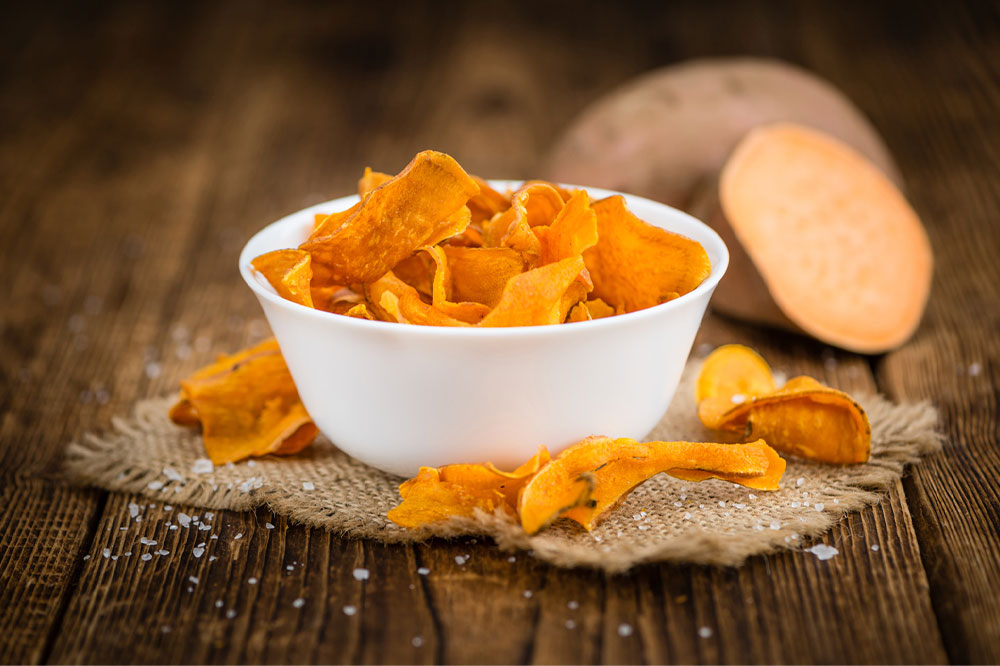
The kidneys are bean-shaped organs that are responsible for important bodily functions, like producing hormones, removing waste through urine, filtering blood, balancing minerals, and maintaining fluid balance. But, according to the American Kidney Fund, more than 1 in 7 adults in the country are affected by chronic kidney diseases. So, it is important to maintain kidney health by making better lifestyle choices and opting for foods that support kidney health. Food and kidney health The kidneys have multiple tiny blood vessels that help filter and eliminate excess water and waste from the body. If one is affected by chronic kidney diseases, the kidneys cannot filter blood, leading to the accumulation of waste in the body. Hypertension and diabetes are some of the leading causes of kidney disease. So, a healthy food plan can help prevent and manage these conditions by removing excess sodium, phosphorus, or potassium. Additionally, some foods should be limited or avoided to prevent further kidney damage. Best foods for kidney health Sweet potatoes: Sweet potatoes are similar to white potatoes but have excess fiber, which the body can take longer to break down, resulting in less of a spike in insulin levels in the body. Additionally, sweet potatoes contain various nutrients and minerals that may help balance the sodium and reduce its effect on the kidneys.
Read More
11 useful tips for anxiety management

11 useful tips for anxiety management

Nearly 84% of participants in a particular mental health survey were said to have some form of anxiety. The severity of symptoms did vary from person to person, but the fact remains that we live in a world where almost everything is a potential trigger for anxiety. And living in denial about having a psychological trigger only worsens the problem. Luckily, it is possible to manage anxiety by following the suggestions recommended by experts. Identify the triggers Anxiety is mainly triggered due to an event or episode where one finds themselves in a difficult position. It could be something that puts a person out of their comfort zone. Doctors advise people to identify these triggers and avoid them. Any comment, action, or situation that did not work out in favor triggers anxiety. So, make a list of such events and instances and ignore them the next time something happens related to that event. At the same time, try to remain positive as it can help strengthen the mind to manage anxiety better. Keep busy Distraction is one of the simplest ways to prevent a panic or anxiety attack. You can perform simple chores or indulge in a favorite task to stay physically and mentally occupied for a few hours.
Read More