10 air conditioner mistakes that waste energy and money
10 air conditioner mistakes that waste energy and money
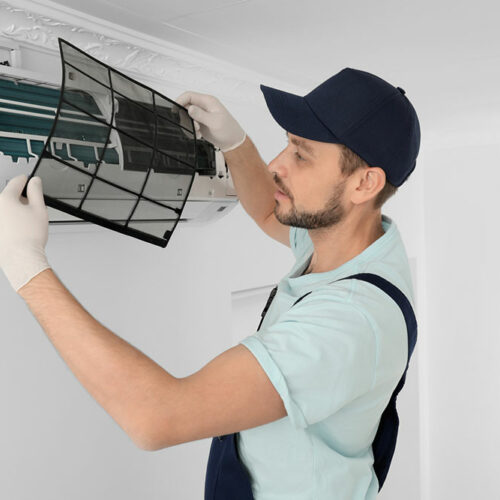
As the summer heat increases, more and more individuals around the country are bringing home air conditioning systems (ACs) to keep cool. Although these devices are sturdy, one must use them carefully to ensure maximum energy efficiency. Not doing so could be costly for the environment and one’s pockets. Most people make these ten common mistakes while using their ACs, leading to a waste of energy and money with time. Blocking the air vents Blocking the unit’s air vents is a big mistake that wastes lots of energy. Placing furniture, curtains, or other objects in front of the vents blocks air circulation, so the room takes longer to cool. As a result of the obstruction, the AC has to work longer, putting a lot of strain on the system. This can also lead to increased wear and tear or internal damage, requiring more upkeep. To avoid this mistake, one should keep the area in front of the air vents clear of any obstacles. Forgetting to clean the air filter The AC unit constantly sucks in air from the surroundings. This air then undergoes a chemical reaction that converts it from gas to liquid and back to gas, which helps bring down the temperature.


7 home renovation pitfalls to avoid

7 home renovation pitfalls to avoid
The real estate market is constantly evolving, making things difficult for buyers. In this situation, people often turn to home renovation plans instead of buying a new property. With a few hours of research, learning, and decision-making, one can execute the plan well. And even after all that, there are chances one might make mistakes. Instead, learn from the mistakes of people that took this route. Following are the common renovation mistakes to avoid. Improper budgeting A house with all its corners standing out as if they have been pulled right out of Pinterest is a dream everyone has. You want a patio that comes with all the bells and whistles. A backyard full of a pool, sun deck, pool chairs, and even a jacuzzi if space permits. Renovating your house and adding in all the bells and whistles is a tempting concept, but you need to take into consideration the costs. As much as you want to live in a house that could be plastered all across flashy magazines, first, take a look at the amount you can spare for home renovation plans. Divide the amount into sections of the house you want to renovate or distribute based on the required materials.

14 factors that may cause lung damage

14 factors that may cause lung damage
Chronic lung diseases accounted for over 150,000 deaths in the country in 2020. These conditions may affect the airways, lung tissue, or blood circulation in the lungs. The occurrence of lung diseases is exacerbated by the inhalation of chemical irritants and toxins in home and work environments. Although most diseases are caused by repeated, long-term exposure to hazardous substances, even a one-time or indirect exposure may cause lasting damage to the lungs. Household factors that may cause lung damage Mold Mold is a type of fungus. It multiplies by forming spores, which can remain suspended in the air for long periods. These spores may cause serious infections for those with mold allergies, Chronic Obstructive Pulmonary Disorder (COPD), or a weak immune system. To avoid mold growth around the house, fix any leaks, avoid compost piles, and get rid of clumps of cut grass promptly. Carpet Carpet fabric has several crevices that can trap mold, cockroach droppings, dust mites, and even toxic gasses. This can have a significant impact on one’s lungs. Instead of carpets, look into wood flooring, as it is easier to clean. Alternatively, invest in rugs that can be washed and cleaned regularly. Ideally, carpets must be vacuumed at least three times a week and steam cleaned once a year.

17 helpful tips for a smooth moving experience

17 helpful tips for a smooth moving experience
Moving is often an exciting and overwhelming experience. Whether an individual is relocating to a new city for a job opportunity or moving to a bigger home to accommodate their growing family, the process of packing up and making a fresh start can be a challenging endeavor. However, with the right strategies and a well-organized plan, this process can be completed hassle-free. Find below helpful tips designed to help achieve a smooth transition to a new beginning. Create a moving timeline Before embarking on the journey of packing and moving, it’s essential to create a detailed moving timeline. Start planning at least two months in advance, as this may give an individual ample time to handle all the necessary tasks without feeling rushed. One must also divide timelines into specific phases, such as sorting, packing, hiring movers, and unpacking. Having a clear roadmap might help one stay organized throughout the process. Declutter and downsize One of the most crucial steps in the moving process is decluttering and downsizing belongings. Individuals should take this opportunity to evaluate their possessions and decide what they want to keep, donate, or discard. A general rule of thumb is to get rid of items that have not been used in the past year.

6 home remedies to prevent flea and tick infestation

6 home remedies to prevent flea and tick infestation
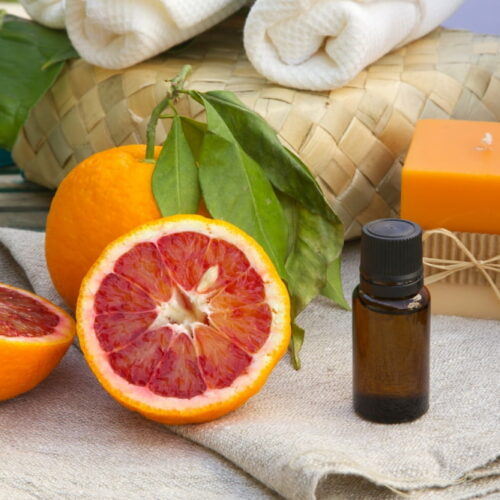
Pet owners often take preventative measures to protect their furry friends from fleas and ticks. These measures can be obtained from a veterinarian, but despite taking precautions, an infestation is inevitable. Dogs, in particular, love to spend time outdoors, rolling around on grass or running through shrubs, so they are likely to pick up pests. When this happens, it is essential to take quick action to prevent any health issues. Here are a few home remedies that can help prevent flea and tick infestations. Essential oils These are cold-pressed or distilled natural oils that are highly concentrated. Essential oils, when diluted with a carrier oil, can be used as pre-bath rinse or as sprays to deter fleas and ticks from pets. They can also be added to a pet’s shampoo or brushed into the coat. However, not all essential oils are safe for use on cats and dogs, especially if they are pregnant. Additionally, there are a few types of oils that may be safe for dogs but not for cats. Therefore, it is important to consult a veterinarian before using such oils on pets. This will help to determine which oils are non-toxic and the safest ways to use them.

Home insurance policies – Key inclusions, purchase tips, and common mistakes

Home insurance policies – Key inclusions, purchase tips, and common mistakes
A home is not just a financial investment; it is a space an individual has built over years of effort and savings. It is where life takes shape and memories are made. Protecting this space, ergo, is important for every homeowner. This is where a home insurance policy can help. Choosing the right home insurance policy can feel overwhelming at first, but with a clear understanding of what to look for, the decision becomes easier. Things to look for in a home insurance policy Coverage for repairing and rebuilding The first thing to look for in a home insurance policy is the coverage it provides for repairing or rebuilding the home. However, homeowners should note that the final coverage amount may vary after underwriting. This is the process wherein an insurance company inspects the property to assess the risk. If the approved coverage is lower than the amount required to rebuild the home, it can create a significant financial gap. If the home is damaged by a covered event, such as a fire or a natural disaster listed in the policy, it may require extensive repairs or even rebuilding. So, it is important for a homeowner to ensure their policy provides adequate coverage.

Our
Blog.

Managing kidney health – Best and worst foods

Managing kidney health – Best and worst foods

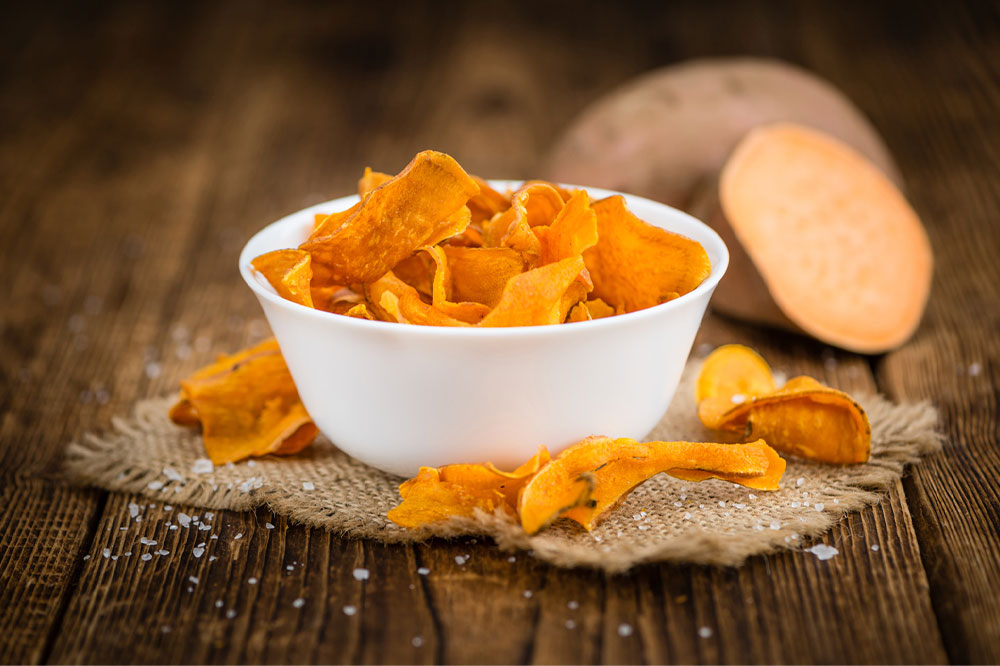
The kidneys are bean-shaped organs that are responsible for important bodily functions, like producing hormones, removing waste through urine, filtering blood, balancing minerals, and maintaining fluid balance. But, according to the American Kidney Fund, more than 1 in 7 adults in the country are affected by chronic kidney diseases. So, it is important to maintain kidney health by making better lifestyle choices and opting for foods that support kidney health. Food and kidney health The kidneys have multiple tiny blood vessels that help filter and eliminate excess water and waste from the body. If one is affected by chronic kidney diseases, the kidneys cannot filter blood, leading to the accumulation of waste in the body. Hypertension and diabetes are some of the leading causes of kidney disease. So, a healthy food plan can help prevent and manage these conditions by removing excess sodium, phosphorus, or potassium. Additionally, some foods should be limited or avoided to prevent further kidney damage. Best foods for kidney health Sweet potatoes: Sweet potatoes are similar to white potatoes but have excess fiber, which the body can take longer to break down, resulting in less of a spike in insulin levels in the body. Additionally, sweet potatoes contain various nutrients and minerals that may help balance the sodium and reduce its effect on the kidneys.
Read More
11 useful tips for anxiety management

11 useful tips for anxiety management

Nearly 84% of participants in a particular mental health survey were said to have some form of anxiety. The severity of symptoms did vary from person to person, but the fact remains that we live in a world where almost everything is a potential trigger for anxiety. And living in denial about having a psychological trigger only worsens the problem. Luckily, it is possible to manage anxiety by following the suggestions recommended by experts. Identify the triggers Anxiety is mainly triggered due to an event or episode where one finds themselves in a difficult position. It could be something that puts a person out of their comfort zone. Doctors advise people to identify these triggers and avoid them. Any comment, action, or situation that did not work out in favor triggers anxiety. So, make a list of such events and instances and ignore them the next time something happens related to that event. At the same time, try to remain positive as it can help strengthen the mind to manage anxiety better. Keep busy Distraction is one of the simplest ways to prevent a panic or anxiety attack. You can perform simple chores or indulge in a favorite task to stay physically and mentally occupied for a few hours.
Read More