Thyroid Cancer – Silent Signs, Diagnosis, and Management
Thyroid Cancer – Silent Signs, Diagnosis, and Management
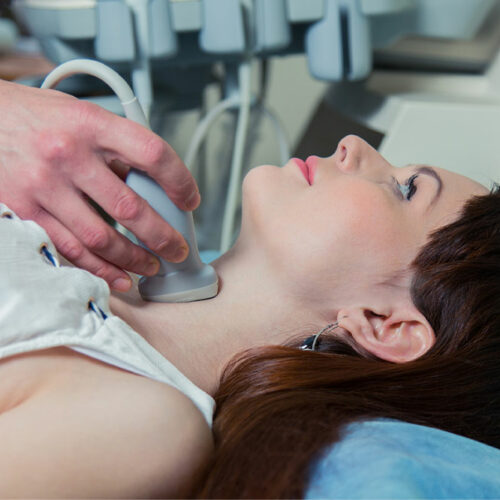
Thyroid cancer is the result of the abnormal growth of cells in the thyroid gland – a butterfly-shaped gland located at the base of the neck. This gland produces hormones that help in the regulation of blood pressure, heart rate, and body temperature. Although thyroid cancer does not show any symptoms in the beginning, as the condition worsens, one may experience difficulty swallowing. Keep reading to learn more about the other silent signs of thyroid cancer. Silent signs of thyroid cancer In most cases, during the early onset of the condition, patients may not experience any symptoms. However, it can be discovered during a routine neck examination or an imaging scan aimed at another health problem. Furthermore, one cannot feel the thyroid gland by touch, but cancerous growth may cause a lump in the area. The other silent signs to look for are: Neck pain One of the rare signs of the condition is neck pain. In most cases, the pain may start in the front of the neck. However, some patients have also experienced neck pain extending to the ears. Hence, it’s suggested to look out for this particular symptom and if noticed, seek professional advice at the earliest.


11 peeing mistakes to avoid for a healthy bladder

11 peeing mistakes to avoid for a healthy bladder
The kidneys filter out the toxins and waste products present in the blood and produce urine. This urine gets collected in the gall bladder and is pushed out of the body through a pipe called the urethra. Attending the bathroom break is essential when the urge to empty the bladder strikes. When ignored, it can lead to swelling of the kidneys and bladder and might even give rise to other complications. Holding it in People often prioritize other things over their health. This includes eating, exercising, and even peeing. This means we end up holding in the pee more frequently than attending it the minute we get nature’s call. Holding in peeing frequently can cause damage to the bladder muscles and might even cause the organ to swell up. However, taking regular bathroom breaks can help avoid losing bladder control. Peeing halfway Speeding up the peeing process or bathroom breaks can end in a urinary tract infection. This is one of the most common peeing mistakes most of us make. A typical result of rushed bathroom breaks is only half empty bladder. For some, it might not be possible to empty the bladder all the way through. However, letting urine sit in the bladder can increase the risk of infections.

Top 10 bad bathroom habits to avoid

Top 10 bad bathroom habits to avoid
You go to the washroom several times a day, be it for just relieving yourself or taking a shower. It’s a habit that subconsciously forms so often that you neglect to pay attention to what you do inside while using the facilities. Even something as simple as not properly washing your hands increases the risk of health complications. And this is just one example of the many bad bathroom habits that affect overall health. Here are ten such instances to change for good. Skipping washing your hands Washing your hands is one of the most basic etiquette rules after going to the bathroom. Know that the door handles and toilet surfaces get covered with invisible bacteria and germs with repeated use of the facilities. Touching anything inside the washroom transfers millions of these bacteria onto the hands. And not properly washing your hands causes these microbes to transfer onto other surfaces, thus spreading the infection. Therefore, it is necessary to use liquid soap to cleanse thoroughly before exiting. Using dirty linen It is also important to practice good linen hygiene. Hand towels, face napkins, and even bath towels should be washed and replaced regularly, as these daily-use linens collect debris from the skin.

8 early signs of schizophrenia

8 early signs of schizophrenia
Schizophrenia is a progressive psychiatric disorder that has no cure. It affects a person’s ability to process information, manage thoughts, and influence behavior. As a result, one struggles with many symptoms that affect the quality of life, ranging from physical discomfort to emotional distress. The disorder affects children and adults of all ages and progresses rapidly. Therefore, it is important to understand the first signs of schizophrenia and seek professional assistance from a specialist for treatment. Signs and symptoms Schizophrenia can develop either early in childhood or later in life. Here are some of the earliest signs that are indicative of the disorder: Delay in development Children develop motor skills, speech or language skills, and emotional skills in early childhood. However, children showing signs of schizophrenia will struggle with these developmental problems and withdraw themselves from social confrontations. The inability to learn these basic social skills also impacts their mental well-being and triggers anxiety or depression at an early age. Neglect in personal hygiene Schizophrenia causes behavioral changes that affect one’s personality. These changes are evident if the person has already experienced a psychotic episode or might have one in the future. In the initial stages, patients with schizophrenia stop caring about their appearance or personal hygiene.

10 silent signs of pneumonia to look out for

10 silent signs of pneumonia to look out for
Pneumonia is an infection that can cause inflammation of the air sac in the lungs, either one or both. In pneumonia patients, the air sacs become filled with pus or fluid, leading to fever, chest pain, cough (often with pus or phlegm), and breathing difficulties. While anyone can develop the condition, young children and older adults are more susceptible to it. Learning the silent signs of pneumonia is imperative for timely diagnosis and treatment. 10 silent signs of pneumonia Typically, the symptoms indicating the development of pneumonia can vary from one person to the other. While it can be mild for some, it can also be severe. Its severity often depends on certain factors, such as the age of the patient, his/her overall health, and the type of pneumonia-causing germ. Furthermore, in cases of mild pneumonia, the signs can be quite similar to the ones experienced during a cold or flu. However, they may last longer. Therefore, it is essential to watch for the silent signs of pneumonia mentioned below. Chills One of the silent signs that can indicate pneumonia is chills. These can be mild in most cases. But sometimes, especially in adults, these chills can also cause one to shake uncontrollably (also known as rigors).

Avoid ignoring these 8 early symptoms of insomnia

Avoid ignoring these 8 early symptoms of insomnia
A good night’s sleep is just as essential as food and water for maintaining overall health and well-being. Unfortunately, many people struggle to fulfill this requirement due to a sleep disorder called insomnia. The disorder is characterized by difficulty falling asleep, staying asleep, and the inability to get proper sleep. If left untreated, it can severely cause hindrance in a person’s daily life. Here are early symptoms that may help one recognize them and take steps toward better sleep hygiene. Difficulty falling and staying asleep One of the most common early signs of insomnia is difficulty falling asleep. People may experience the inability to sleep despite their best efforts. The consequent frustration of constantly tossing and turning may make them even more restless and unable to drift off. The inability to fall asleep may also cause people to have unpleasant thoughts, making them more stressful. Another telltale sign of insomnia is waking up in the middle of the night and struggling to get back to sleep. While this may seem like a normal occurrence to some, if this happens on a regular basis, it might be a matter of concern. This fragmented sleep pattern can leave the person feeling weak and unrested the next day.

Our
Blog.

Managing kidney health – Best and worst foods

Managing kidney health – Best and worst foods

The kidneys are bean-shaped organs that are responsible for important bodily functions, like producing hormones, removing waste through urine, filtering blood, balancing minerals, and maintaining fluid balance. But, according to the American Kidney Fund, more than 1 in 7 adults in the country are affected by chronic kidney diseases. So, it is important to maintain kidney health by making better lifestyle choices and opting for foods that support kidney health. Food and kidney health The kidneys have multiple tiny blood vessels that help filter and eliminate excess water and waste from the body. If one is affected by chronic kidney diseases, the kidneys cannot filter blood, leading to the accumulation of waste in the body. Hypertension and diabetes are some of the leading causes of kidney disease. So, a healthy food plan can help prevent and manage these conditions by removing excess sodium, phosphorus, or potassium. Additionally, some foods should be limited or avoided to prevent further kidney damage. Best foods for kidney health Sweet potatoes: Sweet potatoes are similar to white potatoes but have excess fiber, which the body can take longer to break down, resulting in less of a spike in insulin levels in the body. Additionally, sweet potatoes contain various nutrients and minerals that may help balance the sodium and reduce its effect on the kidneys.
Read More
11 useful tips for anxiety management

11 useful tips for anxiety management

Nearly 84% of participants in a particular mental health survey were said to have some form of anxiety. The severity of symptoms did vary from person to person, but the fact remains that we live in a world where almost everything is a potential trigger for anxiety. And living in denial about having a psychological trigger only worsens the problem. Luckily, it is possible to manage anxiety by following the suggestions recommended by experts. Identify the triggers Anxiety is mainly triggered due to an event or episode where one finds themselves in a difficult position. It could be something that puts a person out of their comfort zone. Doctors advise people to identify these triggers and avoid them. Any comment, action, or situation that did not work out in favor triggers anxiety. So, make a list of such events and instances and ignore them the next time something happens related to that event. At the same time, try to remain positive as it can help strengthen the mind to manage anxiety better. Keep busy Distraction is one of the simplest ways to prevent a panic or anxiety attack. You can perform simple chores or indulge in a favorite task to stay physically and mentally occupied for a few hours.
Read More