Types of depression and foods to manage the symptoms
Depression is a severe health condition that affects a person’s thoughts and actions. Patients find it hard to handle themselves and think about life situations rationally. Those diagnosed with depression may also experience loss of appetite, sleep changes, and a lack of energy. While the condition is pretty common these days, it should not be ignored. A healthcare expert can help diagnose the problem and devise a plan to help manage the symptoms.
Types of depression
The condition can be categorized into different types, some of which are discussed below:
- Major depression
This type of depression persists for at least two consecutive weeks. One might have difficulty completing daily tasks due to a loss of interest, trouble sleeping, and a lack of energy and concentration. - Persistent depressive disorder
Although not as severe as major depression, persistent depressive disorder can last significantly longer. Individuals may suffer from the condition for as long as two years and experience bouts of different depression symptoms. - Seasonal affective disorder
As the name suggests, this condition may come and go, depending on the season. Many experience sadness or are not their usual selves during a specific period of the year. They might start feeling low when the days turn shorter in the fall and winter and feel better during springtime when daylight is longer. - Prenatal depression
This type affects women during or after pregnancy. The symptoms can range from mild to severe and may include anxiety, excessive sadness, and fatigue. Prenatal depression is treatable with appropriate remedies. - Depression with psychosis
This is a severe form of the condition that causes mental imbalance followed by a distorted sense of reality. Patients may experience hallucinations, have disrupted thoughts, and find it challenging to function occasionally. As per a study, those in their late teens to mid-20s are more prone to psychosis.
Foods for depression management
There is no specific treatment to cure depression. Doctors usually recommend various lifestyle changes like exercise, meditation, and rest to manage the symptoms. Healthy nutrition is another factor that can help people deal with the condition. According to research studies, people with mild-to-severe depression improved when they adopted a healthy food plan along with other lifestyle modifications. Below are a few foods that can help control depression symptoms and help improve a person’s quality of life:
- Brazil nuts
These nuts have an essential nutrient called selenium that can help improve mood and minimize anxiety. A particular study suggests that high selenium intake may protect against postpartum depression. Besides Brazil nuts, one can acquire this nutrient from whole grains, seafood like shellfish, and organ meats like liver. - Milk
Many studies have shown that people with lower vitamin D intake can suffer from different symptoms of depression. Milk is usually fortified with vitamin D, making it suitable for those lacking it. Vitamin D can also be acquired from tofu, fish, red meat, and egg yolk. Further, it can be acquired by exposure to sunlight. - Fatty fish
Omega-3 fatty acids have been miraculously helpful in managing some cases of depression. These fatty acids enhance brain activity and boost a person’s mood. They also help preserve the myelin sheath of the nerve cells. Fatty fish like mackerel, salmon, sardine, and herring are the best sources of omega-3 fatty acids. Some other food options with rich reserves of these healthy fats are walnuts, flaxseed, flaxseed oil, and chia seeds. - Berries
Berries like strawberries and raspberries have antioxidants—special compounds that naturally remove free radicals from the body. Free radicals are unstable molecules produced as a result of normal bodily processes. The lesser the number of free radicals in the body, the lesser the stress one feels. Therefore, antioxidants are tremendously helpful in combating depression. Besides berries, one may acquire antioxidants from fresh plant-based foods, nuts, dark chocolate, and spices like ginger and turmeric. - Foods with vitamins B-12 and B-9
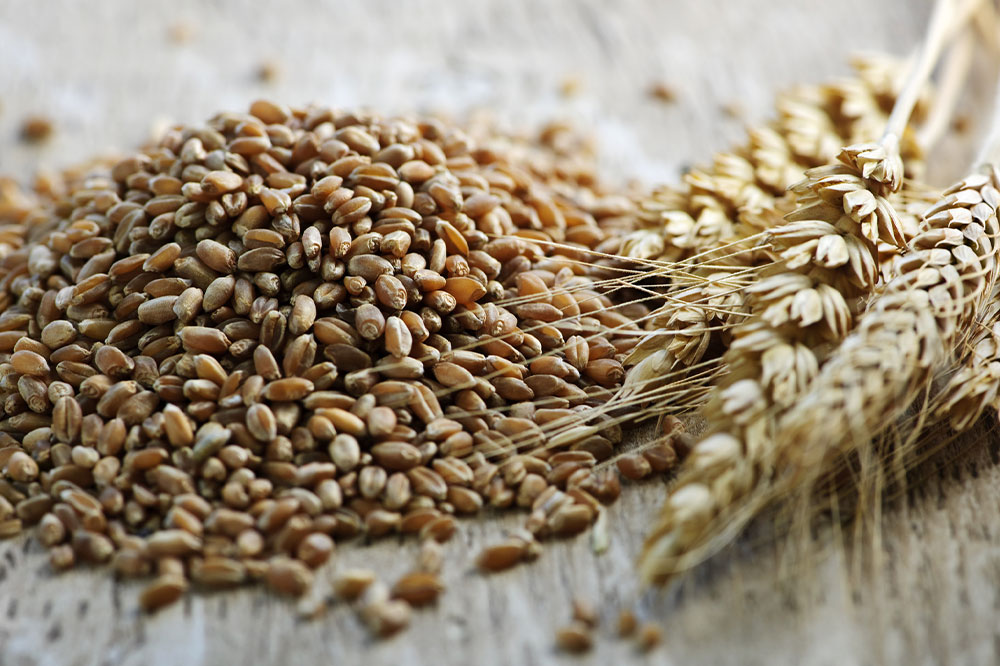
These two B vitamins are critical in maintaining the nervous system and ensuring appropriate brain activity. Some foods with vitamins B-12 and B-9 are eggs, fish, poultry, oysters, milk, dark leafy vegetables, and whole grains. - Eggs
Eggs are one of the best protein sources, a nutrient necessary to grow and repair the body. Protein can also help in fighting depression. Our body uses a protein known as tryptophan to generate serotonin, the “feel good” hormone. Besides eggs, one can find tryptophan in tuna, chickpeas, and turkey.
While the foods listed above have essential nutrients, one should add them to their meals after consulting a doctor. An expert can assess a patient’s situation and recommend the foods that will benefit them the most without leading to complications. The health professional may also suggest other lifestyle changes for managing depression symptoms better.
Foods to avoid
Studies have shown that while some food items can benefit those with depression, a few others can aggravate the symptoms. The foods to avoid with this condition are:
- Processed oils
Health professionals suggest people avoid processed oils that include saturated fats. These fats can minimize brain function and worsen depression. - Caffeine and sugary foods
Patients must drink tea and coffee in moderation as these beverages have caffeine. Excessive caffeine intake can disrupt one’s ability to sleep and worsen depression. Similarly, individuals must avoid sugary foods to regulate their sleep cycle. - Junk food
Junk or fast food items, such as burgers, pizza, and soft drinks, are high in calories and low in nutrients. Those experiencing depression symptoms should steer clear of these foods and opt for healthy items instead.
Besides eating the right foods and making lifestyle changes, one may benefit from therapies and counseling sessions to increase mental strength. It is always advisable to consult a healthcare professional when battling depression and follow their advice for the best outcome.